
What Printer Is Best for Starting a Small Print Shop?
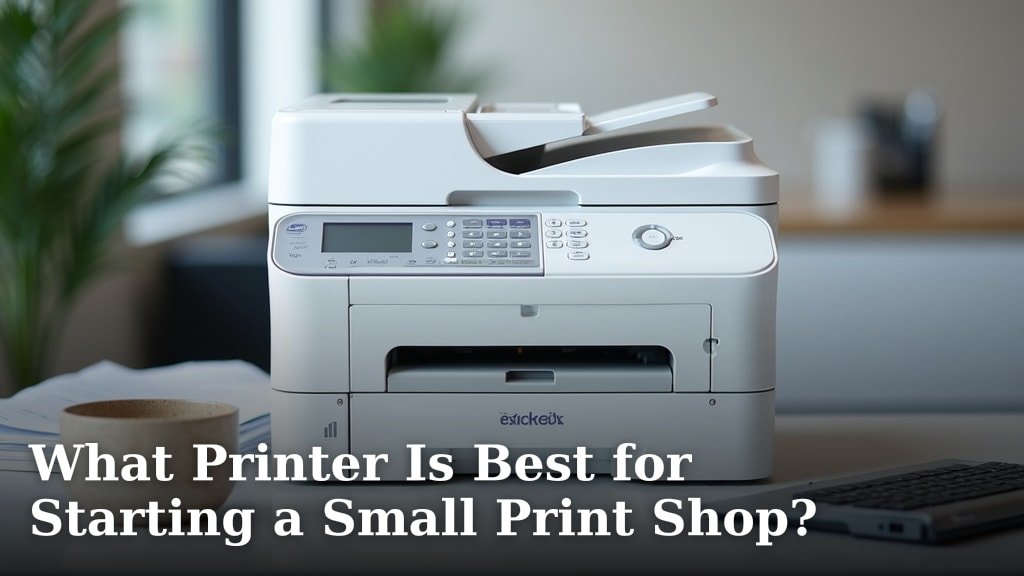
The best printer for starting a small print shop really depends on your specific needs, but for most startups, a high-quality direct-to-garment (DTG) printer or a robust commercial-grade vinyl cutter A commercial-grade vinyl cutter paired with a heat press is a versatile option, and this guide explains if inkjet printers can print on vinyl. paired with a heat press are excellent starting points. These machines offer the versatility to handle a variety of popular print products right out of the gate. It’s less about finding one magic machine and more about choosing the right tool for the jobs you want to do first.
When you’re launching a print shop, you’re likely thinking about t-shirts, mugs, posters, and maybe even stickers. Your initial printer choice should align with these core product offerings. We found that focusing on reliability and ease of use is key for a new business, as you’ll be learning the ropes and managing everything yourself. Getting this first piece of equipment right sets a solid foundation for growth.
TL;DR:
- DTG printers are great for custom apparel.
- Vinyl cutters and heat presses handle mugs, signs, and apparel.
- Consider your first products carefully.
- Reliability and ease of use are top priorities.
- Choose based on what you’ll print most often.
Let’s get into the details of what to look for and which types of printers might be your perfect starting partner.
Choosing Your First Print Shop Machine
So, you’re ready to start your print shop! That’s fantastic. Your very first printer is a big decision. It’s like picking your main tool for a trade. We’ve researched this a lot, and the best choice depends on what you want to print first. Let’s break down the options.
Direct-to-Garment (DTG) Printers: The T-Shirt All-Stars
If custom t-shirts are your main focus, a Direct-to-Garment (DTG) printer is often the way to go. Think of it like an inkjet printer, but for fabric. It prints ink directly onto the garment. This gives you amazing detail and color vibrancy. You can print full-color graphics and photos easily.
DTG printers are fantastic for small runs and one-off custom orders. You don’t need to worry about setup for different designs. Just load a shirt and print. This makes it super flexible for personalized items. Many startups find this flexibility key in the beginning.
Pros of DTG
- Excellent for full-color designs and intricate details.
- Great for custom and small orders without setup hassle.
- Soft feel on the fabric compared to other methods.
- Relatively easy to learn for basic operation.
Cons of DTG
- Higher initial cost compared to some other options.
- Requires specialized ink and regular maintenance.
- Best on 100% cotton or high-cotton blends.
- Slower print speeds for large bulk orders.
When you’re starting out, the upfront investment for a good DTG printer can seem high. We found that many printers range from $15,000 to $30,000 or more. However, their ability to handle personalized apparel is unmatched. This often leads to good profit margins on custom pieces.
Vinyl Cutters and Heat Presses: The Versatile Duo
If you want more variety beyond just t-shirts, a vinyl cutter paired with a heat press is a super versatile option. This combo lets you create a wide range of products. You can make custom apparel, stickers, signs, car decals, and even personalized mugs.
A vinyl cutter works by precisely cutting designs out of colored vinyl sheets. You then weed out the excess vinyl. The heat press uses heat and pressure to transfer that vinyl design onto your product. It’s a tried-and-true method for many print businesses.
How They Work Together
- Vinyl Cutter: Designs are sent from your computer to the cutter. It carves out your design in a sheet of vinyl.
- Weeding: You manually remove the unwanted vinyl parts around your design.
- Heat Press: The vinyl design is placed on the item. The heat press applies heat and pressure to bond it.
This duo is excellent for bold graphics, text-based designs, and single-color applications. It’s also a solid choice if you plan to offer items like banners or window graphics. The cost can be more manageable for starting out compared to DTG, with good entry-level machines available.
Sublimation Printing: For Hard Surfaces and Vibrant Colors
Sublimation printing is another exciting avenue, especially if you dream of printing on mugs, coasters, phone cases, and certain types of polyester apparel. This method uses special inks that turn into gas when heated. This gas then infuses into the material, creating a permanent, full-color image. This method uses special inks that turn into gas when heated, and this guide details the best paper for sublimation printing.
The key here is that the material must be specifically coated for sublimation or be a high-polyester fabric. This is why it’s perfect for ceramic mugs or polyester shirts. The prints are incredibly durable, scratch-resistant, and don’t fade easily.
Key Requirements for Sublimation
- Sublimation Printer: You need a printer that uses sublimation inks.
- Sublimation Ink: Special inks that convert to gas when heated.
- Sublimation Paper: Designed to hold and release the ink gas effectively.
- Heat Press: Essential for applying the necessary heat and pressure.
- Coated Products: Mugs, metal panels, or polyester-based items.
We found that for a small print shop looking to offer a diverse range of gift items, sublimation is a strong contender. It offers vibrant, high-resolution prints that are built to last. While it’s limited to specific materials, its specialty product potential is huge.
Key Factors When Making Your Choice
Choosing your first printer isn’t just about the technology. You need to think about practical things. What will your customers actually buy from you? How much space do you have? And, of course, what’s your budget?
What Will You Print Most Often?
This is the most important question you can ask yourself. If you see yourself printing hundreds of custom t-shirts, a DTG printer makes sense. If you envision offering custom mugs, keychains, and spirit jerseys, maybe sublimation is better. If you want a bit of everything, or even simple signs and decals, the vinyl cutter and heat press combo shines.
Many experts suggest that aligning your first equipment purchase with your primary revenue stream is crucial. Don’t buy a DTG if you plan to make mostly mugs. It’s about maximizing your return on investment from day one.
Budget and Ongoing Costs
Printers can be a big purchase. A good DTG printer can cost tens of thousands of dollars. Entry-level vinyl cutters and heat presses are much more affordable, often a few hundred to a couple of thousand dollars. Sublimation printers can fall somewhere in between, depending on the model and size.
But don’t forget the ongoing costs! You’ll need ink, paper, special vinyl, cleaning solutions, and possibly replacement parts. We found that understanding the cost of consumables per print is vital for pricing your products correctly. Always factor in ink, maintenance, and potential repairs.
Space and Setup Requirements
Where will your printer live? DTG printers can be quite large and heavy. They also need proper ventilation and can be messy if not maintained. Vinyl cutters are generally smaller, and a heat press can fit on a sturdy table.
Ensure you have enough power outlets and a stable workspace. Some machines require specific environmental conditions, like controlled humidity. Think about workflow too. You’ll need space to stage blank items, manage printed goods, and store supplies.
Ease of Use and Learning Curve
As a new business owner, you’re likely juggling many hats. You don’t want to spend all your time troubleshooting your printer. While all machines require learning, some are more intuitive than others.
DTG printers often require careful calibration and daily maintenance routines. Vinyl cutters and heat presses, while having their own learning curves for design software and press settings, can sometimes feel more straightforward for beginners. We found that many manufacturers offer training and support, which is incredibly helpful.
Your First Equipment Checklist
Before you commit, run through this quick checklist. It will help ensure you’re making the best choice for your new print shop.
- Match Printer Type to Your Main Products: Does it align with your primary business idea?
- Understand All Costs: Include the machine, supplies, maintenance, and training.
- Check Space Requirements: Will it physically fit and work in your setup?
- Evaluate Ease of Use: Can you learn it quickly enough to start printing?
- Research Brand Reliability: Look for well-regarded brands with good customer support.
- Consider Scalability: Can this machine grow with you, or will you need an upgrade soon?
Conclusion
Choosing the right printer for your new print shop is a big step, but it doesn’t have to be overwhelming. We’ve seen that the best machine for you aligns directly with the products you plan to sell first. Whether it’s the vibrant graphics of a DTG printer for custom apparel, the versatile duo of a vinyl cutter and heat press for a wider range of items, or the specialized durability of sublimation for hard goods, your focus should be on your primary revenue stream. Before you buy, always consider your budget, ongoing supply costs, available space, and how easy the machine is to learn. Your next step? Clearly define your top 1-2 product offerings, then match them to the machine that best supports your initial business goals.
Frequently Asked Questions
Can I start a print shop with just one printer?
Yes, you absolutely can! Many successful print shops start with a single, versatile machine. The key is to choose a printer that can handle your most popular product type. For example, if custom t-shirts are your focus, a DTG printer is a great starting point. If you want to offer a bit of everything, a vinyl cutter and heat press combo provides excellent flexibility.
What are the hidden costs of running a print shop printer?
Beyond the initial machine purchase, be prepared for ongoing costs. You’ll need to budget for ink or special vinyl, special paper for sublimation, cleaning solutions, and potential maintenance or repair parts. We found that researching the cost of consumables per print is vital for accurate pricing and profitability.
Is a DTG printer too expensive for a beginner?
DTG printers do have a higher upfront cost, often in the thousands or tens of thousands of dollars. However, if custom, full-color apparel is your main business driver, the investment can pay off quickly. For a more budget-friendly start, consider a vinyl cutter and heat press, which offer a lower entry price point for different product types.
How much space do I really need for a print shop setup?
Space needs vary significantly by machine. A vinyl cutter is often compact and can fit on a desk, while a heat press needs a sturdy surface. DTG printers can be quite large and may require good ventilation. Always measure your available space and ensure you have room for workflow, like staging blank items and storing supplies.
Which printer type is best for selling custom mugs and tumblers?
For custom mugs and tumblers, sublimation printing is typically your best bet. You’ll need a sublimation printer, special inks, sublimation paper, and a heat press. This method permanently infuses the design into specially coated mugs or tumblers, creating durable, vibrant, and scratch-resistant results.
