
How to Keep Sublimation Paper from Curling?
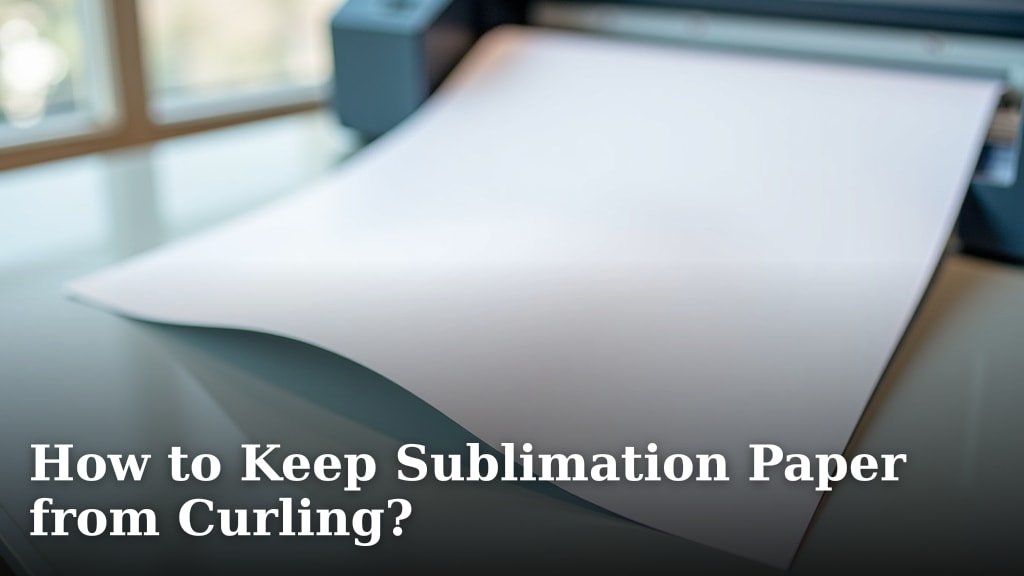
To keep sublimation paper from curling, you need to manage its exposure to moisture and heat. The best methods involve storing paper in a dry, sealed environment and using a heat press with proper temperature and pressure settings. This prevents the paper from absorbing humidity, which causes it to warp before and after pressing.
Curling can be a frustrating obstacle in your sublimation projects. It often happens when the paper encounters changes in humidity. Understanding the role of moisture content is key. Proper handling helps ensure your transfers are smooth and professional every time.
- Store sublimation paper in an airtight container.
- Keep it in a cool, dry place away from humidity.
- Use a heat press instead of an iron for more consistent results.
- Ensure your heat press is set to the correct temperature and pressure.
- Allow the pressed item to cool completely before handling.
Let’s walk through the most effective ways to prevent your sublimation paper from curling so you can achieve perfect prints.
Stop Your Sublimation Paper From Curling: Practical Tips
Are you tired of your sublimation paper acting like a stubborn noodle? You’re not alone! Curling paper can really mess with your transfer quality. It often happens when the paper absorbs too much moisture. This can be from the air or even from your heat press. We’ve gathered some tried-and-true methods to keep your paper flat and your prints perfect.
Understanding the Curl: Moisture is the Main Culprit
Sublimation paper is designed to be porous. This is great for absorbing ink. But it also means it can easily soak up humidity from the air. Think of it like a sponge. When the paper takes on moisture, the fibers swell. As it dries out, or when heated, it shrinks unevenly. This causes the paper to warp and curl. You might see it before you even press it.
Research shows that humidity levels can greatly impact paper stability (National Weather Service). Even small changes can make a difference. So, controlling the environment where you store and use your paper is key. Your goal is to keep that moisture content as consistent as possible.
Storing Your Sublimation Paper: A Dry Haven is Best
The most common place for paper to absorb moisture is during storage. If your paper isn’t kept properly, it’s already set up to curl. Finding the right storage spot is your first line of defense. Let’s look at the best practices.
Airtight Containers: Your Paper’s Best Friend
The absolute best way to keep your sublimation paper from curling is to store it in an airtight container. This is non-negotiable for preventing moisture absorption. You can buy special archival boxes or use sturdy plastic containers with good seals. Even a good quality zip-top bag can work in a pinch, but a rigid container offers more protection.
Make sure the container is completely dry before you put the paper inside. Any residual moisture can still cause problems. We found that placing a desiccant pack (those little silica gel packets) inside the container can help absorb any stray moisture. Just be sure the desiccant isn’t touching the paper directly. You can often get these from craft stores or online.
Choosing the Right Location: Cool and Dry Wins
Where you put that airtight container matters too! Avoid storing your paper in places with high humidity. Bathrooms, basements, and garages are usually big no-nos. Even a kitchen can have fluctuating humidity levels. Your best bet is a climate-controlled room in your home. A closet in a bedroom or an office is often ideal. The temperature should be stable, and humidity low. Aim for a consistent room temperature, around 70°F (21°C), and a relative humidity below 50% if possible.
Think about it: if you’re feeling sticky and damp, your paper probably is too. Keeping your supplies in a comfortable environment helps them perform better. Many sources on paper handling recommend consistent environmental conditions (Paper industry best practices).
Handling Sublimation Paper During the Transfer Process
Once your paper is stored correctly, you need to maintain that dryness during the printing and pressing stages. This is where things can get a little tricky, but with the right tools and techniques, you can manage it.
The Heat Press vs. The Iron: A Crucial Decision
If you’re still using a home iron for sublimation, you might be fighting a losing battle against curling. Irons have uneven heat distribution and inconsistent pressure. This can exacerbate curling issues, especially on the edges of the paper. A professional heat press is designed for even heat and controlled pressure. This consistency is vital for successful sublimation.
Heat presses allow you to set precise temperatures and times. They also provide uniform pressure across the entire design. This helps to keep the paper flat against your substrate during the transfer. We found that switching to a heat press dramatically reduced paper curling for many users. It’s an investment, but it pays off in print quality and reduced frustration.
Setting Your Heat Press: Temperature and Pressure Matters
Even with a heat press, incorrect settings can cause your paper to curl. Too much heat or too much pressure can warp the paper. Too little can lead to poor ink transfer, making you want to press again, which can also cause issues.
Always refer to the manufacturer’s recommendations for your specific sublimation paper and ink. Generally, a temperature between 380°F and 400°F (193°C – 204°C) is common. Pressure should be firm but not excessive. Many experts recommend a medium pressure setting. You want the paper to be firmly against the substrate, but not so much that it deforms the material or the paper.
Here’s a quick guide to common settings, but always double-check:
| Substrate | Temperature (°F) | Time (Seconds) | Pressure |
|---|---|---|---|
| Polyester Fabric | 385-400°F (196-204°C) | 45-60 | Medium |
| Coated Mugs | 385-400°F (196-204°C) | 200-240 (depends on mug press) | Medium-Firm |
| Hard Substrates (e.g., metal, tile) | 390-400°F (199-204°C) | 40-60 | Medium |
Remember, these are starting points. You may need to adjust based on your specific equipment and environment. Trying a small test print first is always a smart move.
Cooling Down: The Final Frontier
The curling doesn’t always stop when the heat press opens. As the paper and substrate cool, changes in temperature can cause further warping. This is especially true for materials that expand and contract significantly with heat.
The best practice is to let your pressed item cool completely before you handle it or remove the sublimation paper. For fabrics, this might mean letting it hang or lie flat. For hard substrates like mugs or coasters, allow them to cool on a heat-resistant surface. Rushing this cooling process can lead to paper lifting, ghosting, or more curling. Patience here will save you headaches later.
Advanced Techniques to Combat Curling
Sometimes, standard methods aren’t quite enough. If you’re in a particularly humid climate or dealing with large prints, you might need a little extra help.
Pre-Pressing Your Substrate
For fabrics, especially cotton blends, pre-pressing for a few seconds before placing the sublimation paper can help. This removes any residual moisture from the fabric itself. A dry substrate provides a more stable surface for the transfer. It’s a small step that can make a big difference. This is often recommended in textile sublimation guides.
Using Protective Layers
When you press, using a layer of parchment paper or butcher paper on top of your sublimation paper can help. This protects your heat press from any ink blow-out. It also helps to absorb a tiny bit of excess moisture. Some crafters even use a thin, dry pressing cloth between the sublimation paper and the top heat platen. Experiment to see what works best for your setup.
Quick Checklist for Curl-Free Sublimation Paper
Let’s recap the most important steps. Keep these handy for your next project:
- Store paper in an airtight container.
- Keep it in a cool, dry place.
- Use a heat press for consistent results.
- Set your heat press to the correct temperature and pressure.
- Allow your project to cool completely before handling.
- Consider a desiccant pack in your storage.
By focusing on moisture control and consistent heat application, you can say goodbye to frustrating paper curling. Happy pressing!
Conclusion
You’ve learned that keeping your sublimation paper flat is all about controlling moisture and heat. By storing your paper in a dry, airtight container and using a properly calibrated heat press, you’ve got a winning strategy. Remember, consistent temperature and pressure are your allies in preventing that frustrating curl. The key is to be mindful from storage to cooling. Now you’re ready to achieve smooth, professional prints on all your sublimation projects. Give these tips a try on your next creation!
Frequently Asked Questions
What if I live in a very humid area?
If you live in a humid climate, extra care in storage is essential. Always use an airtight container with a desiccant pack. You might also consider a small dehumidifier in your crafting space. This helps maintain a stable, dry environment for your paper.
Can I use sublimation paper that has already started to curl?
It’s best to avoid using paper that has significantly curled. While some minor curling can sometimes be flattened during pressing, severe curling often leads to poor print quality or transfer issues. Try to prevent it before it happens.
How long does a desiccant pack last in my sublimation paper container?
Desiccant packs can last for several months, depending on the humidity in your storage area. You can often “recharge” them by baking them at a low temperature (around 250°F or 120°C) for an hour or two. Check if they feel lighter or if they’ve changed color, which often indicates they are saturated.
Is it okay to let the sublimation paper cool on the press after pressing?
No, it’s generally not recommended to let the paper cool on the press. Heat presses are designed to apply heat and pressure; leaving the item there can sometimes continue the heating process slightly. It’s better to remove the pressed item promptly and let it cool on a heat-resistant surface.
Why does my paper curl *after* I’ve removed it from the heat press?
This often happens due to rapid temperature changes as the item cools. The paper and substrate contract at different rates. Allowing the item to cool completely and slowly on a flat surface can help minimize this post-press curling. Ensure it’s not exposed to drafts or sudden temperature shifts.
