
Is a Sublimation Printer Worth It?
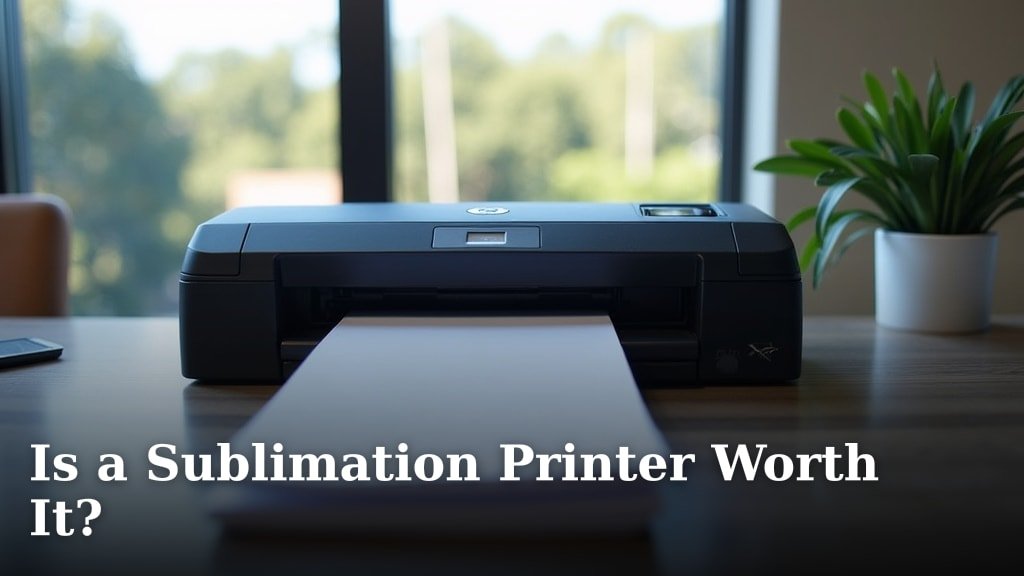
Yes, a sublimation printer is often worth it for crafting businesses or serious hobbyists. You can create vibrant, permanent designs on many items. It really depends on your specific needs and goals.
Sublimation printing lets you transfer images onto specially coated surfaces. Think custom mugs, t-shirts, and phone cases. We found that the quality can be amazing, but there’s an initial investment. You also need to understand the process and materials involved.
- Sublimation printers offer high-quality, durable prints.
- They are great for custom products and small businesses.
- Initial cost for equipment and supplies can be high.
- Learning the process takes a little practice.
- Not all materials can be sublimated.
Ready to dive deeper into whether a sublimation printer is right for you? Let’s explore all the factors together.
Assessing the Value of a Sublimation Printer
Is a sublimation printer a smart investment for you? The answer largely depends on your goals. We’ve found that they truly shine for those looking to create custom, durable, and high-quality items.
If you’re thinking about starting a small business or taking your crafting to the next level, a sublimation printer offers unique advantages. It opens up possibilities for personalized products that are popular and in demand.
Understanding Sublimation Printing: The Basics
Let’s briefly touch on how this magic works. Sublimation printing uses special inks that, when heated, turn into a gas. This gas then dyes the fibers of a compatible material, creating a permanent bond.
This process is different from traditional heat transfer vinyl (HTV) or screen printing. Those methods lay ink on top of the material. Sublimation infuses the ink into it, giving you a smooth, vibrant, and long-lasting finish.
What You Can Create with Sublimation
The range of items you can personalize is quite exciting. Think about all the things people love to customize! You can make:
- Custom mugs, tumblers, and water bottles
- Personalized t-shirts, hoodies, and tote bags
- Phone cases, mouse pads, and keychains
- Photo panels, ceramic tiles, and even some types of wood
The key is that the item must have a special polymer coating or be made of a high-polyester fabric. This coating is what the sublimation ink bonds with, as explained by various print industry resources.
The Upsides: Why You Might Love a Sublimation Printer
There are several compelling reasons why people choose to invest in sublimation. It’s not just a printer; it’s a tool for creativity and potential income.
Superior Print Quality and Durability
One of the biggest draws is the stunning print quality. Images are incredibly sharp, with rich, true-to-life colors. Because the ink becomes part of the material, designs won’t crack, peel, or fade.
Imagine a custom mug that goes through the dishwasher dozens of times, yet the design looks as good as new. That’s the power of sublimation. We found this durability is a major selling point for customers.
Ease of Use (Once You Get Started)
While there’s a small learning curve, the actual printing process is fairly straightforward. You print your design, press it onto your blank, and you’re done. Many users find it less messy than other printing methods.
The setup might take a bit of time, but once your printer is ready, creating multiple items is efficient. It’s like baking a cake – the prep takes time, but the actual baking is simple.
Versatility for Different Products
As we mentioned, sublimation works on many different blanks. This versatility means you can offer a wide array of custom products without needing multiple types of printing equipment. This is a huge advantage for small businesses, according to many entrepreneurial guides.
Considering the Downsides: What to Be Aware Of
No tool is perfect, and sublimation printers have their considerations. It’s important to understand these before making a purchase.
Initial Investment Can Be Higher
A dedicated sublimation printer, or a regular printer converted for sublimation, plus the necessary inks and a heat press, can represent a significant upfront cost. This is often the biggest hurdle for new users.
You’ll also need specialized sublimation blanks. These typically cost more than plain items because they have that special coating. Factor these recurring costs into your budget.
Limitations on Materials and Colors
Remember, sublimation only works on polyester-rich fabrics or specially coated hard surfaces. You can’t sublimate on 100% cotton shirts or dark-colored materials, as the process relies on the ink becoming part of a light-colored base.
This means your creativity is channeled, but not stifled. You just need to choose your blanks carefully. White or very light colors give the best, most vibrant results.
Learning Curve and Troubleshooting
While the process is easy once you know it, getting there takes a bit of practice. You’ll need to learn about color profiles, heat press settings (temperature, time, pressure), and mirror printing your images.
Expect a few trial runs, or “misfires,” as you get the hang of it. This is normal! Many forums and online communities offer great support for troubleshooting common issues.
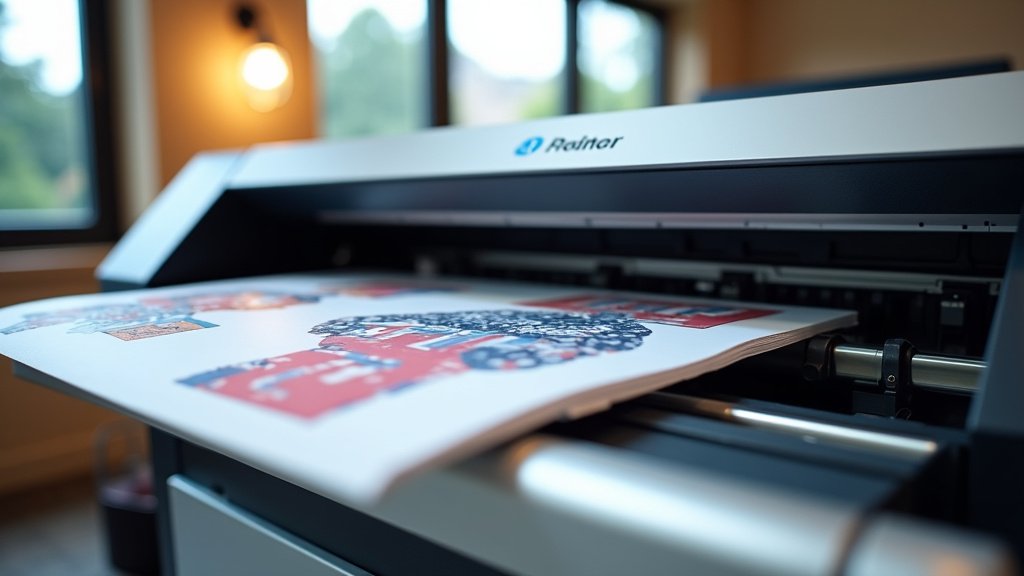
Is a Sublimation Printer a Good Fit for Your Needs?
To help you decide, let’s break down who benefits most from this technology. It’s about aligning the tool with your goals.
Ideal Users for Sublimation
You’re likely a great candidate if you are:
- A crafter who wants to sell personalized items.
- Someone looking to create high-quality, long-lasting custom gifts.
- A small business owner wanting to offer unique products.
- An artist who wants to transfer designs to various substrates permanently.
Many successful small businesses use sublimation as their core production method. We’ve seen countless examples of people turning this hobby into a profitable venture.
A Quick Checklist for Your Decision
Ask yourself these questions to see if a sublimation printer aligns with your situation:
- Do you want to create durable, high-quality custom items?
- Are you comfortable with an initial investment in equipment?
- Is your target audience interested in personalized products?
- Are you willing to learn a new creative skill?
- Do you plan to work mostly with polyester fabrics or coated blanks?
Sublimation vs. Other Customization Methods
It’s helpful to compare sublimation to other popular ways of customizing products. This comparison can highlight where sublimation truly excels and where it might not be the best choice.
| Feature | Sublimation Printing | Heat Transfer Vinyl (HTV) | Screen Printing |
|---|---|---|---|
| Durability | Excellent, permanent, no cracking/peeling | Good, can crack or peel over time | Good, can fade or crack over time |
| Feel on Fabric | Smooth, “no feel” (ink infused) | Slightly raised, vinyl feel | Slightly raised, ink layer feel |
| Colors | Vibrant, full-color photos possible | Solid colors, limited gradients | Limited colors, more complex for multi-color designs |
| Material Limits | Polyester or polymer-coated items, light colors | Works on most fabrics, any color | Works on most fabrics, any color |
| Best For | Small batches, complex designs, hard goods | Small batches, text, simple designs | Large batches, simple designs |
| Initial Cost | Moderate to high | Low to moderate | Moderate to high |
As you can see, each method has its strengths. Sublimation truly stands out for photo-quality prints and unmatched durability on compatible materials. It’s about choosing the right tool for the job you want to do.
Conclusion
Deciding if a sublimation printer is worth it really boils down to your goals. If you’re aiming for vibrant, permanent custom products for a business or serious hobby, the investment often pays off. We’ve seen how it offers superior durability and quality compared to other methods.
While there’s an initial cost and a small learning curve, the ability to create unique, high-demand items is a huge advantage. Consider your budget, your creative aspirations, and your willingness to learn a new skill. If these align, a sublimation printer could be your next great crafting tool.
Frequently Asked Questions
Can I convert a regular inkjet printer for sublimation?
Yes, you often can convert certain inkjet printers, particularly Epson EcoTank models. You’ll need to use specific sublimation inks and never use regular inks in the printer once converted. We found this is a popular and cost-effective way to get started.
What’s the most expensive part of getting started with sublimation?
The initial setup cost is usually the highest hurdle. This includes the sublimation printer itself, a quality heat press, and a starter pack of sublimation inks and paper. Specialty blanks also add to the ongoing costs.
How long do sublimation prints last on items like mugs or shirts?
Sublimation prints are incredibly durable and designed to last the lifetime of the product. The ink is infused into the material, so it won’t crack, peel, or wash away. We’ve seen mugs go through countless dishwasher cycles without fading.
Do I need special software to create designs for sublimation?
You can use many graphic design programs like Adobe Photoshop, Illustrator, or even free options like Canva or GIMP. The key is to create high-resolution images and remember to mirror your design before printing. Your printer settings will also need to be optimized for sublimation ink and paper.
Can sublimation print white ink or on dark garments?
No, sublimation ink is translucent and doesn’t include white. It relies on the color of the blank item to show through. This means it works best on white or very light-colored polyester-rich fabrics and specially coated hard surfaces. Dark materials won’t show the colors vibrantly.
