What Is a Sublimation Printer?
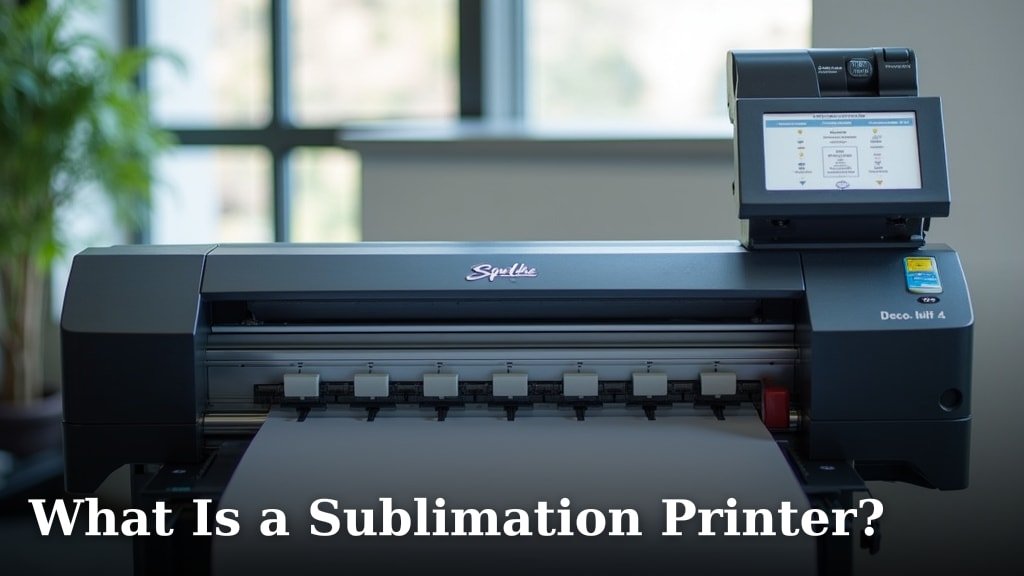
A sublimation printer is a special kind of printer that uses heat to transfer dye onto materials. It turns solid ink into a gas, which then permanently dyes the item. This process creates vibrant, long-lasting images on specific surfaces.
These printers are not like your everyday inkjet models. Instead, they use a unique dye-sublimation process for exceptionally durable prints. You can create custom designs on things like t-shirts, mugs, and phone cases. We found that it’s a popular choice for personalized gifts and small businesses.
- Uses heat to turn solid ink into a gas.
- Dyes materials permanently.
- Creates bright, lasting images.
- Great for custom t-shirts, mugs, and more.
- Ideal for small businesses and personalized items.
Ready to dive deeper? Let’s walk through exactly what makes a sublimation printer so unique and how you can use one to bring your creative ideas to life.
Understanding Dye-Sublimation Printing
So, what exactly is dye-sublimation printing? It’s a printing method that uses heat to transfer dye onto a material. Unlike traditional printers that apply ink as a liquid, sublimation printers transform solid dye into a gas. This gas then penetrates the surface of your chosen item, creating a permanent, vibrant image.
Think of it like a tattoo for your products. The dye actually becomes part of the material, not just sitting on top. This is why sublimation prints are so durable and resistant to fading, cracking, or peeling.
The Science Behind the Magic
It sounds a bit like magic, doesn’t it? The core of sublimation printing is a chemical process called sublimation. This is when a substance changes directly from a solid to a gas, skipping the liquid phase entirely.
In your sublimation printer, special solid dyes are heated up. They turn into a gas and then bond with the polyester fibers of your blank item. Once cooled, the dye returns to a solid state, now permanently embedded within the material.
Key Components of a Sublimation Setup
To get started with sublimation, you’ll need a few specific tools. It’s more than just the printer itself. We found that having the right setup makes all the difference for quality results.
- Sublimation Printer: This is the core machine, equipped with special print heads for sublimation inks.
- Sublimation Ink: These unique inks are designed to turn into a gas when heated.
- Sublimation Paper: This special paper holds the ink precisely until it’s ready to transfer.
- Heat Press: A heat press applies controlled heat and pressure to transfer the design onto your item.
- Sublimation Blanks: These are the items you’ll be printing on, like mugs, t-shirts, or keychains. They must have a polyester coating or be made of polyester.
How Does a Sublimation Printer Work? A Step-by-Step Guide
Curious about the process? We’ll break down how your sublimation printer takes an image from your computer screen to a finished product. It’s a relatively straightforward process once you get the hang of it.
Designing Your Image
First, you’ll create or choose your design on your computer. You can use graphic design software like Photoshop or GIMP. Remember to mirror your image before printing, especially if it contains text. Why mirror it? Because it will be flipped when transferred!
Printing onto Sublimation Paper
Next, you’ll load your sublimation paper into the printer. The printer then prints your mirrored design onto this paper using sublimation inks. The image on the paper will often look dull, but don’t worry, that’s normal!
The Heat Transfer Process
This is where the magic happens. You’ll place your printed sublimation paper face-down onto your blank item. Then, you’ll use a heat press to apply precise heat and pressure for a specific amount of time. Each blank item usually has recommended settings for temperature and duration.
Under this intense heat, the solid dye on the paper turns into a gas. This gaseous dye then permeates the fibers of your blank item. When the heat press opens and the item cools, the dye transforms back into a solid, now permanently bonded to the material. Pretty cool, right?
Comparing Sublimation to Other Printing Methods
You might be wondering how sublimation stacks up against other common printing techniques. Each method has its pros and cons. Let’s look at how sublimation differs from inkjet and screen printing.
Sublimation vs. Inkjet Printing
Most home printers are inkjet printers. They spray liquid ink onto the surface of paper. The ink sits on top, which is why inkjet prints can sometimes smudge or fade easily. Sublimation, as we know, dyes the material itself.
| Feature | Sublimation Printing | Inkjet Printing |
|---|---|---|
| Ink Type | Special sublimation dyes (solid to gas) | Liquid ink cartridges |
| Durability | Very high (fade, crack, peel resistant) | Moderate (can smudge, fade over time) |
| Feel on Fabric | No feel, part of the fabric | Slight hand or texture |
| Material Compatibility | Polyester or poly-coated items | Paper, some fabrics (with special paper/settings) |
| Vibrancy | Exceptional, photo-quality | Good, but can lack depth of sublimation |
We found that for items needing long-term vibrancy and washability, sublimation is usually the clear winner. For simple paper documents, inkjet is perfectly fine and more affordable.
Sublimation vs. Screen Printing
Screen printing is another popular method, especially for t-shirts. It involves pushing ink through a stencil (screen) onto the fabric. This creates a durable layer of ink on top of the material.
The main difference? Screen printing lays ink on the surface, often creating a slightly raised feel. Sublimation dyes the fibers directly, leaving no discernible texture. Screen printing is fantastic for large batches and bold, spot-color designs. Sublimation shines for intricate, full-color images and smaller, personalized runs.
What Can You Create with a Sublimation Printer?
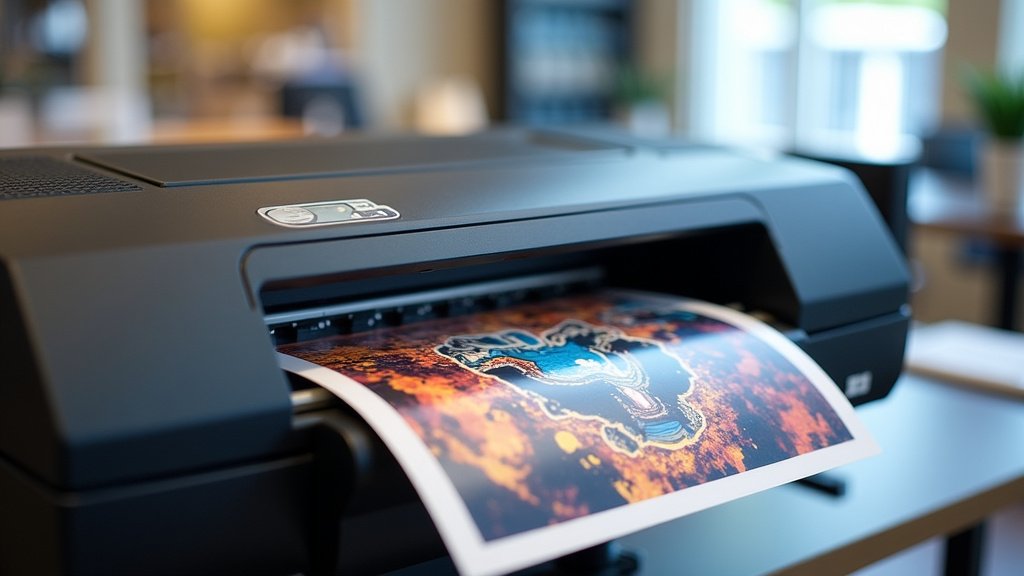
The possibilities for creativity with a sublimation printer are vast! You can personalize a wide range of items, making them perfect for gifts, businesses, or just for fun. You’re really only limited by your imagination and the types of blanks available.
Popular Sublimation Blanks
Here are some of the most common and popular items people love to sublimate:
- Apparel: Polyester t-shirts, athletic wear, socks, and even hats. Remember, the higher the polyester count, the more vibrant your design will be.
- Drinkware: Mugs, tumblers, water bottles, and coasters are all fantastic. These usually have a special poly-coating.
- Home Decor: Pillow covers (polyester), mousepads, cutting boards (coated), and even some metal or ceramic tiles.
- Accessories: Phone cases, keychains, tote bags, and jigsaw puzzles.
- Pet Products: Dog tags, pet bowls, and bandanas can all be customized.
Keep in mind, for the best results, your items need to be either 100% polyester or have a special polyester coating. This is because the dye needs those polyester molecules to bond with.
Is a Sublimation Printer Right for You?
You’re probably thinking, “This sounds amazing, but is it for me?” Well, it depends on your goals and what you want to create. It’s an investment, so it’s good to weigh the pros and cons.
Who Benefits Most?
We found that sublimation printers are especially great for:
- Small Businesses: If you sell custom products, sublimation offers a professional, durable finish. Think Etsy shops or local craft fairs.
- Crafters and Hobbyists: If you love making personalized gifts or want to expand your crafting repertoire, it’s a rewarding skill.
- Event Organizers: Custom t-shirts, awards, or promotional items for events can be easily made in-house.
- Photographers: Transferring high-quality photos onto various mediums creates unique products.
Things to Consider Before Buying
Before you jump in, here’s a quick checklist of things to think about:
- Are you comfortable learning new software and equipment?
- Do you have space for a printer and a heat press?
- Are the items you want to print on suitable for sublimation (polyester or coated)?
- Is the initial investment for the printer, inks, paper, and heat press within your budget?
- Are you looking for prints that are extremely durable and vibrant?
If you answered yes to most of these, a sublimation printer could be a fantastic addition to your creative tools. It offers a unique way to bring your designs to life with professional, long-lasting results. Many users find it to be a truly rewarding endeavor (Consumer Reports).
Conclusion
You’ve now got a solid understanding of what a sublimation printer is and how it works. It’s a fantastic tool for creating durable, vibrant, and personalized items that stand the test of time. Whether you’re eyeing a new business venture or just want to customize gifts, sublimation offers unique possibilities.
Remember, success lies in understanding the process and using the right materials. If you’re ready to start, we recommend researching specific printer models and heat presses to fit your budget and creative goals. Your next personalized project is just a print away!
Frequently Asked Questions
Do sublimation printers use regular ink?
No, sublimation printers use special sublimation inks. These inks are formulated to turn into a gas when heated, which is essential for the dye-sublimation process. Regular inkjet inks will not work and can damage your sublimation printer.
Can I convert a regular inkjet printer into a sublimation printer?
It is possible to convert some new inkjet printers (that have never had regular ink in them) for sublimation by filling their cartridges with sublimation ink. However, we found that dedicated sublimation printers often offer better and more consistent results. Using a converted printer might also void its warranty.
What is a “sublimation blank”?
A sublimation blank is any item specifically prepared to receive a sublimation print. This means it must be made of polyester or have a special polyester coating. Common blanks include mugs, t-shirts, phone cases, and keychains.
Do sublimation prints fade over time?
Sublimation prints are known for their exceptional durability and resistance to fading. Because the dye becomes a permanent part of the material, they are much less likely to fade, crack, or peel compared to other printing methods when cared for properly.
Is sublimation printing environmentally friendly?
Sublimation printing can be considered more environmentally friendly than some traditional methods because it uses water-based inks and produces minimal waste. There’s no water used in the transfer process itself, and excess paper is often recyclable, depending on local regulations.