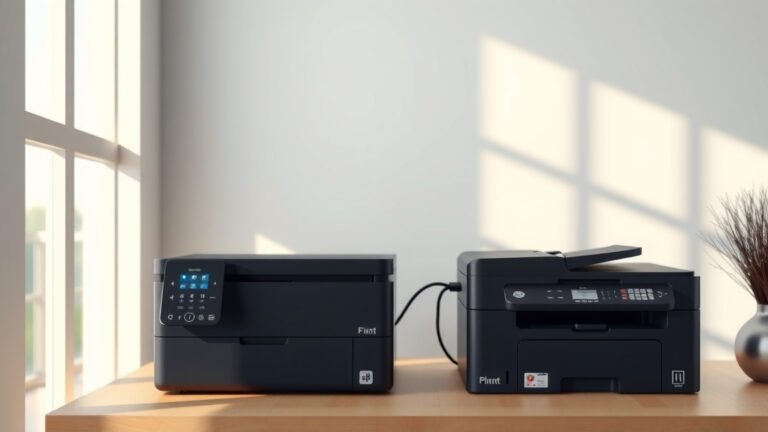
How To Transfer Inkjet Print To Wood?
You can transfer inkjet print to wood using transfer paper, gel medium, or image transfer techniques that bond the ink to the wood surface.
The most effective method involves printing your design on special transfer paper and using heat or adhesive to permanently attach it to prepared wood.
Quick Start Guide for Inkjet Wood Transfer
Want to get started right away? Here’s what you need to know first.
You’ll need your inkjet printer, transfer paper, and a clean piece of wood. The process takes about 30 minutes from start to finish. Most people find success on their first try when they follow the basic steps.
Essential Materials You Need
Gather these items before you begin:
- Inkjet transfer paper (clear or white backing)
- Clean, smooth wood surface
- Squeegee or credit card
- Craft knife or scissors
- Soft cloth
- Hair dryer or heat gun (optional)
Best Wood Types for Transfer
Not all wood works the same way. Light-colored, smooth woods give you the best results.
Pine, birch, and maple work great. Avoid rough or dark woods like oak or walnut. The grain can interfere with your image. Think of it like trying to write on sandpaper versus smooth paper.
Method 1: Using Transfer Paper
This is the easiest method for beginners. Transfer paper acts like a temporary tattoo for wood.
Step 1: Prepare Your Image
Print your design on inkjet transfer paper. Make sure you mirror the image if it contains text. Your printer settings should be on highest quality.
Let the ink dry completely. This usually takes 5-10 minutes. Rushing this step causes smudging.
Step 2: Prepare the Wood Surface
Sand your wood lightly with fine-grit sandpaper. Wipe away all dust with a clean cloth.
The surface needs to be perfectly clean. Even tiny bits of sawdust will show up in your final result.
Step 3: Apply the Transfer
Peel the backing from your transfer paper. Position it carefully on the wood. You only get one chance to place it correctly.
Use a squeegee to smooth out air bubbles. Work from the center outward. Apply firm, even pressure.
Step 4: Remove the Transfer Paper
Wait 24 hours before removing the paper. Peel it off slowly at a 45-degree angle.
If parts stick, use a damp cloth to soften the paper. Don’t force it or you’ll tear your design.
Method 2: Gel Medium Transfer
This method works with regular inkjet prints. You don’t need special transfer paper.
What You’ll Need
- Acrylic gel medium (matte finish works best)
- Regular inkjet print (fresh, not old)
- Foam brush
- Water for soaking
Step-by-Step Process
Apply gel medium to both your print and the wood surface. Press them together and smooth out bubbles.
Let it dry for 4-6 hours. Then soak the paper with water and gently rub it away. The ink stays bonded to the wood through the gel medium.
This method gives you a more rustic, weathered look. Perfect if you want that vintage feel.
Method 3: Direct Transfer Technique
Some people use acetone or other solvents to transfer fresh inkjet prints directly. I’ve researched this method and found mixed results.
How It Works
You place a fresh print face-down on wood and apply acetone to the back. The solvent dissolves the ink and transfers it to the wood.
This method can be messy and unpredictable. The chemicals are also harsh. I recommend sticking with transfer paper or gel medium for better results.
Troubleshooting Common Problems
Things don’t always go perfectly. Here’s how to fix the most common issues.
Bubbles in Your Transfer
Air bubbles happen when you don’t apply enough pressure. Use a squeegee and work slowly.
Small bubbles often disappear as the transfer sets. Large bubbles need to be smoothed out immediately.
Partial Transfer or Missing Areas
This usually means the wood wasn’t clean enough or the ink wasn’t fully dry.
Clean your wood with denatured alcohol before starting. Let your prints dry for at least 15 minutes after printing.
Blurry or Smudged Results
Movement during application causes blurring. Position your transfer once and don’t shift it.
Low-quality transfer paper can also cause problems. Spend a little extra on good materials.
Tips for Professional Results
Want your transfers to look like they came from a professional shop? These tips make all the difference.
Print Quality Matters
Use your printer’s highest quality setting. Clean your print heads if colors look off.
Fresh ink cartridges give better results than nearly empty ones. The color saturation makes a big difference.
Wood Preparation is Key
Sand with 220-grit paper for the smoothest finish. Always sand with the grain, never against it.
Some people seal the wood first with a light coat of clear acrylic. This can help the transfer adhere better on porous woods.
Environmental Factors
Work in a dust-free area if possible. High humidity can affect transfer adhesion.
Room temperature should be between 65-75 degrees for best results. Too cold and the adhesive won’t bond properly.
Protecting Your Finished Transfer
Your transfer needs protection to last. Raw transfers can fade or peel over time.
Sealing Options
Clear acrylic sealer works for most projects. Apply thin, even coats with a foam brush.
For outdoor projects, use polyurethane. It’s more durable but takes longer to dry.
Maintenance Tips
Keep transferred wood out of direct sunlight when possible. UV rays fade inkjet inks over time.
Clean with a damp cloth only. Harsh chemicals can damage the transfer.
Comparing Transfer Methods
| Method | Difficulty | Cost | Durability | Best For |
|---|---|---|---|---|
| Transfer Paper | Easy | Low | Good | Beginners |
| Gel Medium | Medium | Medium | Excellent | Vintage looks |
| Direct Transfer | Hard | Low | Poor | Experiments only |
Creative Project Ideas
Now that you know the techniques, what can you make?
Photo Gifts
Family photos on wood blocks make great gifts. Print multiple sizes and create a gallery wall.
Wedding photos transferred to reclaimed wood look amazing. The rustic background adds character to modern photos.
Signs and Labels
Create custom signs for your home or garden. Transfer paper works perfectly for text and simple graphics.
Kitchen labels on small wood pieces look much better than plastic stickers.
Art Projects
Transfer digital art to wood for a mixed-media look. The wood grain adds texture to digital designs.
Old maps and vintage images work especially well with the gel medium method.
Cost Breakdown
How much will this hobby cost you? Less than you might think.
Starter Kit Costs
Transfer paper: $10-15 for 10 sheets. Gel medium: $8-12 per container. Wood pieces: $5-20 depending on size and type.
Your total startup cost is usually under $50. That’s enough materials for 15-20 projects.
Ongoing Expenses
The main ongoing cost is transfer paper or gel medium. Each transfer costs about $1-3 in materials.
Ink costs vary but expect about $0.50-1.00 per print depending on size and coverage.
Safety Considerations
Most transfer methods are safe, but keep these points in mind.
Ventilation
Work in a well-ventilated area, especially when using gel medium or solvents. The fumes aren’t dangerous but can cause headaches.
If you smell strong chemical odors, take breaks and get fresh air.
Skin Contact
Wear gloves when handling solvents or gel medium. Some people have sensitive skin that reacts to these materials.
Wash your hands thoroughly after working with any chemicals.
Conclusion
Transferring inkjet prints to wood opens up endless creative possibilities. Whether you choose transfer paper for simplicity or gel medium for durability, both methods can produce beautiful results.
Start with small projects to build your skills. A simple photo transfer or basic sign helps you learn the process without wasting expensive materials. Once you master the basics, you can tackle larger, more complex projects.
Remember that practice makes perfect. Your first few transfers might not look exactly like you imagined, but each attempt teaches you something new. The wood-and-ink combination creates a unique aesthetic that you simply can’t get with paper prints alone.
Take your time with each step. Rushing leads to mistakes that are hard to fix. Clean preparation and careful application beat speed every time. Your patience will show in the final results.
What type of inkjet printer works best for wood transfers?
Any standard inkjet printer works fine for wood transfers. Canon and Epson printers tend to produce slightly better color saturation, but the transfer paper and technique matter more than your specific printer model. Make sure your ink cartridges are fresh for the best color results.
Can I transfer color photos or just black and white images?
Both color and black-and-white images transfer well to wood. Color photos actually look quite stunning on light wood surfaces. The natural wood grain can add interesting texture to color images. Black-and-white transfers often have higher contrast and can look more dramatic.
How long do wood transfers last before fading?
Properly sealed wood transfers can last 5-10 years indoors without noticeable fading. Outdoor transfers fade much faster due to UV exposure, typically showing wear within 1-2 years. Using UV-resistant sealers and keeping transfers out of direct sunlight helps them last longer.
Can I sand and refinish wood that has a transfer on it?
You cannot sand over a transfer without removing it completely. The transfer sits on top of the wood surface, so any sanding will damage or destroy the image. If you want to change or remove a transfer, you’ll need to sand it off entirely and start over with fresh wood.
What’s the largest size image I can transfer to wood?
The size limit depends on your printer’s maximum paper size and available transfer paper sizes. Most home printers handle up to 8.5×11 inch transfers. For larger images, you can split them into sections and piece them together on the wood, though this requires careful alignment for good results.