Is a Tank Printer Better Than a Cartridge Printer?
On this page (9 sections)
- Comparing Tank Printers vs. Cartridge Printers: A Deep Dive
- The Financial Showdown: Initial Cost vs. Running Costs
- Print Volume: How Much Do You Print?
- Convenience and Maintenance
- Environmental Impact: Less Waste with Tank Systems
- Quick Comparison: Tank Printer vs. Cartridge Printer
- Is a Tank Printer Right for You? A Checklist
- Conclusion
- Frequently Asked Questions
For most home users and small businesses, tank printers are generally better than cartridge printers, offering significant savings on ink over time. While the initial cost can be higher, you’ll benefit from much lower running costs and less frequent refilling. This makes them a smarter long-term investment for many people.
You’re probably tired of constantly replacing expensive ink cartridges, right? We understand the frustration. Tank printers address this by using large, refillable ink tanks instead of small, disposable cartridges, leading to a more cost-effective printing experience. You get more pages for your money, and less waste.
- Tank printers typically save you money on ink long-term.
- They have a higher upfront cost but lower running costs.
- Cartridge printers are cheaper initially but ink is expensive.
- Tank printers are better for frequent printing.
Let’s dive into the details and help you decide if a tank printer is the right choice for your printing needs.
Comparing Tank Printers vs. Cartridge Printers: A Deep Dive
Deciding between a tank printer and a cartridge printer often comes down to understanding their fundamental differences and how those impact your budget and printing habits. Let’s break down what makes each type tick.
How Cartridge Printers Work
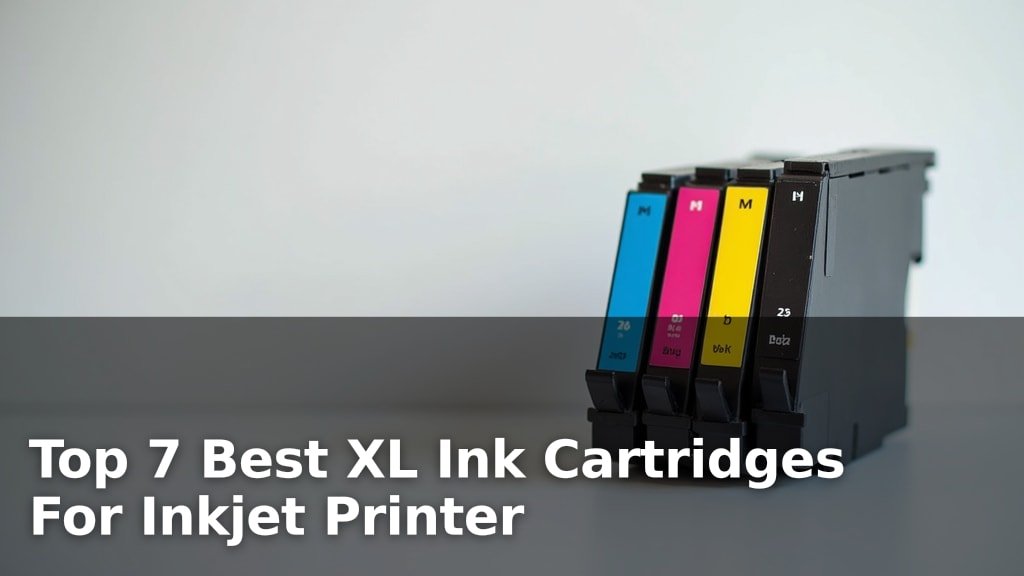
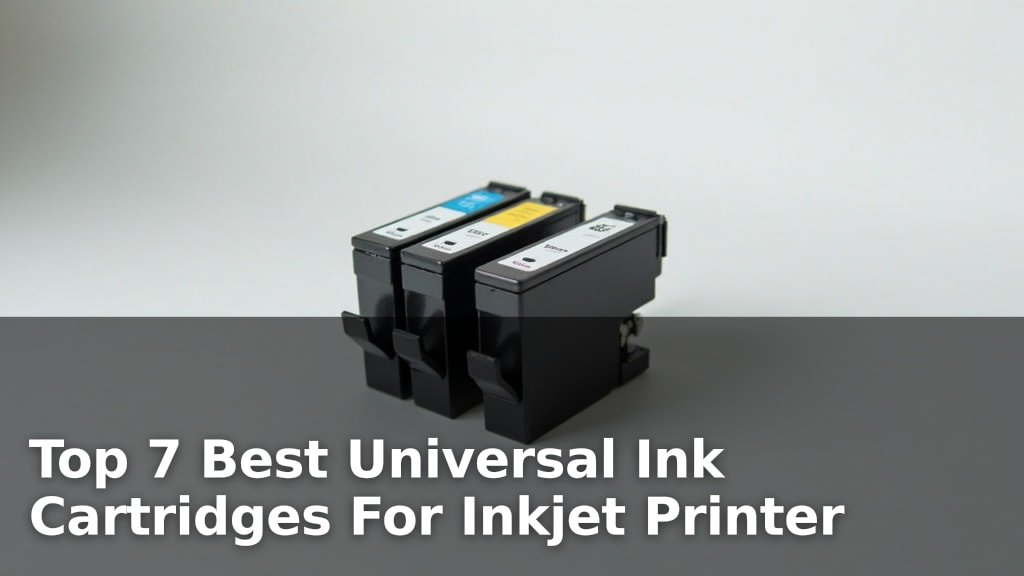
Traditional cartridge printers are what most of us grew up with. They use small, sealed plastic containers filled with ink. When a color runs out, you replace that specific cartridge. This system is straightforward.
Typically, you’ll find individual cartridges for black, cyan, magenta, and yellow. Some models combine colors into a single tri-color cartridge. While convenient, this means if one color runs out, you replace the whole cartridge, even if other colors are still full.
How Tank Printers Work (Ink Tank Systems)
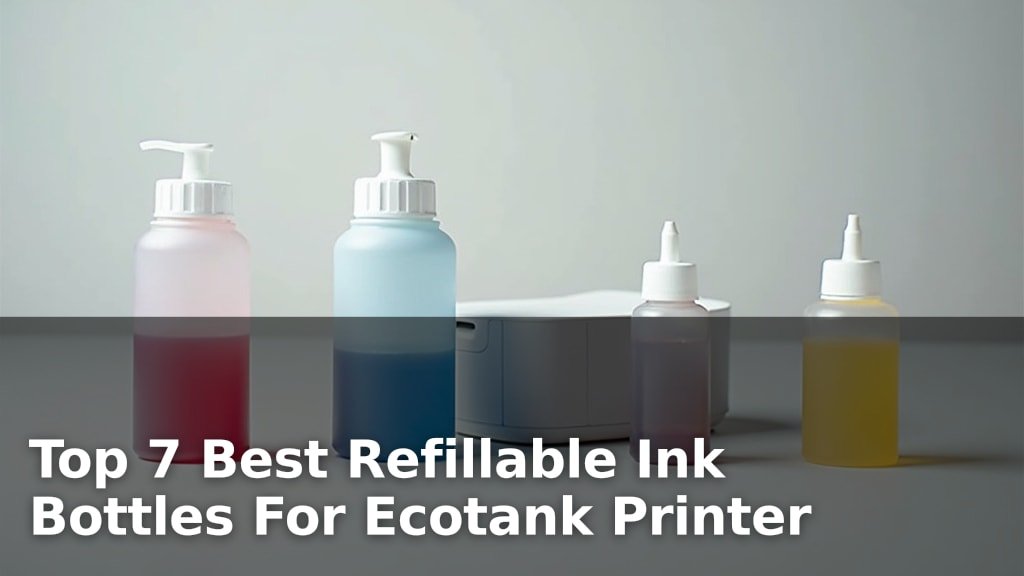
Tank printers, also known as ink tank printers or EcoTank printers (a popular brand name), take a different approach. They feature large, built-in reservoirs that you manually refill with ink from bottles. Think of it like refilling your car’s gas tank, but for your printer.
Each color has its own dedicated tank. When a tank gets low, you simply pour in more ink from a bottle. This system drastically reduces plastic waste and offers a more economical way to purchase ink.
The Financial Showdown: Initial Cost vs. Running Costs
This is where the biggest distinction lies and often where most people make their decision. It’s not just about the price tag at the store.
Initial Purchase Price
You’ll notice right away that tank printers usually cost more upfront. You might see entry-level cartridge printers for under $100, while a basic tank printer might start around $200-$300. This higher initial investment can be a hurdle for some budgets.
This is because the technology for tank systems involves more complex engineering. Manufacturers also build in the cost of the ink that comes with the printer, which is usually a generous supply.
Long-Term Ink Costs (The Real Game Changer)
Here’s where tank printers shine. While cartridge printers are cheaper to buy, their ink cartridges are notoriously expensive. We’ve found that a single set of replacement cartridges can sometimes cost almost as much as the printer itself!
With tank printers, ink bottles are significantly cheaper per milliliter. A set of ink bottles for a tank printer might cost $40-$60, but it can print thousands of pages. The same number of pages from a cartridge printer could cost you hundreds of dollars in cartridges (PCMag).
Consider this analogy: Would you rather buy a cheap car that gets terrible gas mileage, or a slightly more expensive one that sips fuel? For frequent drivers, the latter saves money over time. It’s the same principle for printing.
Print Volume: How Much Do You Print?
Your printing habits play a huge role in which printer type is best for you. Be honest about how often you hit that print button.
For High-Volume Users (Frequent Printing)
If you print a lot—think dozens of pages a week, or hundreds a month—a tank printer is almost certainly your best bet. You’ll spend far less on ink and won’t be constantly running to the store for replacements. Many offices and busy home users find this incredibly liberating.
Tank printers are designed for this kind of heavy use. Their large ink reservoirs mean you can print for months, or even a year, without needing to refill, depending on your usage. This reduces interruptions to your workflow.
For Low-Volume Users (Infrequent Printing)
If you print only occasionally—a few pages a month, maybe even less—the calculus changes. The higher initial cost of a tank printer might not pay off quickly enough. For very light users, a budget-friendly cartridge printer could be more economical, despite the higher per-page ink cost.
However, be aware of cartridge printers and their ink drying out. If you don’t print for long periods, ink in cartridges can sometimes dry up or clog print heads. Tank printer ink tends to be more stable, though any printer benefits from occasional use.
Convenience and Maintenance
Beyond cost, think about your tolerance for refilling and potential printer care.
Refilling and Mess Factor
With cartridge printers, replacement is simple: pop out the old, snap in the new. It’s generally clean and quick. Tank printers require you to pour ink from bottles into the tanks. Modern tank printers have cleverly designed spill-free bottles, making this process much cleaner than it used to be. Still, there’s a minor risk of a tiny mess if you’re not careful.
One major convenience of tank printers is how infrequently you need to refill. You might refill tanks once a year compared to replacing cartridges every few weeks or months.
Print Head Clogging
Both types of printers can suffer from clogged print heads, especially if they sit unused for long periods. Tank printers often have slightly more robust print head designs to handle continuous ink flow. If a clog does happen, both typically have built-in cleaning cycles you can run through the printer’s software.
Environmental Impact: Less Waste with Tank Systems
If being eco-friendly is important to you, tank printers have a clear advantage. Every time you throw away an empty ink cartridge, you’re contributing to plastic waste. Even though many cartridges can be recycled, a significant number end up in landfills.
Tank printers use refillable bottles, which means significantly less plastic waste over the printer’s lifespan. You’re simply buying more ink, not a whole new plastic casing every time. We found this to be a compelling reason for many environmentally-conscious buyers.
Quick Comparison: Tank Printer vs. Cartridge Printer
Here’s a quick overview to help you visualize the differences:
| Feature | Tank Printer | Cartridge Printer |
|---|---|---|
| Initial Cost | Higher | Lower |
| Ink Cost Per Page | Very Low | High |
| Total Cost of Ownership | Lower (especially for frequent printing) | Higher (especially for frequent printing) |
| Refill Frequency | Infrequent (months to a year) | Frequent (weeks to months) |
| Environmental Impact | Lower plastic waste | Higher plastic waste |
| Ideal User | Frequent printer, small business | Occasional printer, budget-conscious initial purchase |
Is a Tank Printer Right for You? A Checklist
To help you decide, consider these questions:
- Do you print frequently (more than 20 pages a week)?
- Are you tired of constantly buying expensive ink cartridges?
- Is saving money on ink over the long term important to you?
- Are you comfortable with a slightly higher initial investment?
- Do you want to reduce your plastic waste from printing?
- Would you appreciate not having to think about ink for months at a time?
Conclusion
Choosing between a tank printer and a cartridge printer really boils down to your printing habits and budget. If you print regularly, a tank printer offers substantial long-term savings and less hassle with refills. You’ll pay more upfront, but your wallet will thank you later for the incredibly low ink costs.
For those who print infrequently, a cartridge printer might seem more appealing initially. However, we’ve found tank systems offer a more economical and environmentally friendly solution over time for most users. Consider your actual printing needs to make the smartest choice for your home or business.
Frequently Asked Questions
Are tank printers good for photos?
Yes, many tank printers are excellent for printing photos. They often use dye-based inks, which produce vibrant colors and a glossy finish ideal for pictures. Plus, printing photos from a tank printer is much more affordable per print compared to cartridge printers.
How long do tank printer ink bottles last?
Ink bottles for tank printers can last a very long time, depending on your printing volume. A single set of bottles can often print thousands of pages, meaning they could last anywhere from several months to over a year for average home use. This dramatically reduces refill frequency.
Do tank printers dry out if not used?
While any printer can experience some drying of ink if left unused for extended periods, tank printers are generally more resilient. Their ink systems are designed for continuous flow, and the larger reservoirs tend to keep ink stable longer than small cartridges. Occasional printing helps prevent clogs.
Can I use third-party ink in my tank printer?
Most manufacturers recommend using their brand-specific ink bottles for optimal performance and to maintain your printer’s warranty. While third-party inks might be cheaper, they can sometimes cause print quality issues or even damage your printer. It’s generally safer to stick with manufacturer-approved inks.
What is the main advantage of a tank printer over a laser printer?
The main advantage of a tank printer over a laser printer, especially for color documents and photos, is the lower cost per page for color printing. Tank printers excel at vibrant, full-color output at a fraction of the cost of color laser toner. Laser printers are typically better for high-volume, black-and-white text documents.