What Is Better Inkjet Or Laser Printer?
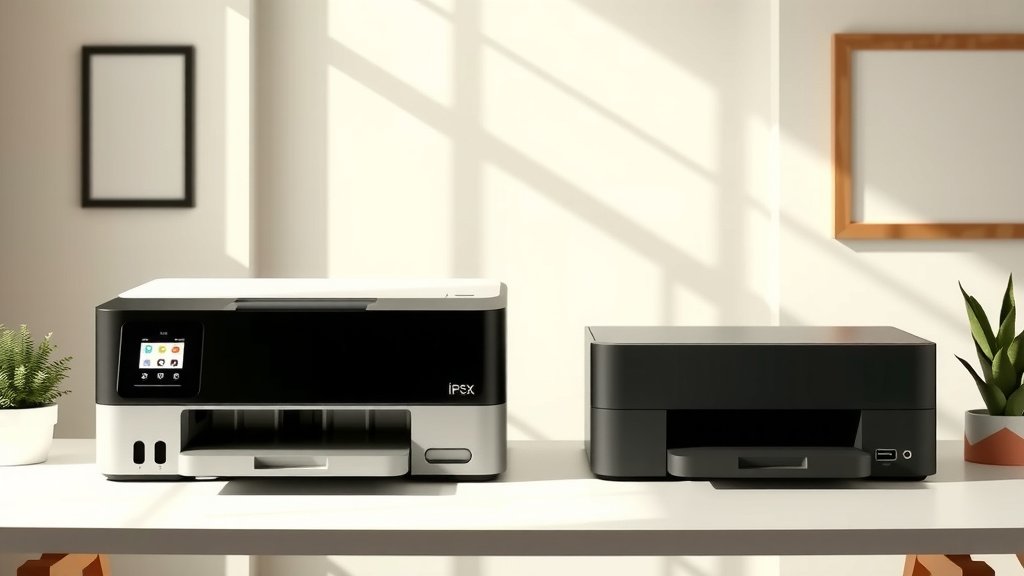
Laser printers are better for high-volume text printing and offices, while inkjet printers excel at photo printing and lower upfront costs for home users.
Your choice between inkjet or laser printer depends on what you print most – photos and occasional documents favor inkjet, while heavy text printing needs laser efficiency.
Quick Answer: Which Printer Type Wins?
You don’t need to overthink this decision. The winner depends on your printing habits.
If you print mostly text documents and need speed, go laser. If you want beautiful photos and don’t print daily, choose inkjet.
How Each Printer Type Actually Works
Inkjet Technology Explained Simply
Think of inkjet printers like tiny spray painters. They shoot microscopic droplets of liquid ink onto paper through hundreds of tiny nozzles.
The printer head moves back and forth across the page. It places different colored inks exactly where needed to create your image or text.
Why This Matters for You
This spray method creates smooth color transitions. That’s why your vacation photos look so good from an inkjet.
Laser Printing Process
Laser printers work more like photocopiers. They use static electricity and heat to stick powdered toner onto paper.
A laser beam draws your document onto a rotating drum. Toner sticks to those areas, then gets pressed onto paper with heat and pressure.
The Real-World Impact
This process happens fast and creates sharp text edges. Your business reports will look crisp and professional every time.
Print Quality Comparison
Text Printing Quality
Laser printers win for text clarity. The toner creates precise, sharp letters that won’t smudge when you touch them.
Inkjet text looks good too, but the liquid ink can sometimes bleed slightly on regular paper. You might notice fuzzy edges on close inspection.
Photo and Graphics Quality
Inkjet printers dominate photo printing. They blend colors smoothly and handle gradients beautifully.
Laser printers can print photos, but they often look grainy or have visible dots. Color laser printers do better but still can’t match inkjet photo quality.
Paper Makes a Big Difference
Your paper choice affects both printer types. Photo paper makes inkjet photos shine. Good laser paper prevents toner smearing.
Speed and Volume Capabilities
Daily Printing Speed
Laser printers print faster once they warm up. Most laser printers handle 20-40 pages per minute easily.
Inkjet printers work slower, especially for photos. Text documents print at 5-15 pages per minute typically.
Monthly Volume Handling
Research shows laser printers handle high volumes better. They’re built for thousands of pages monthly without breaking down.
Inkjet printers work best with lighter use. Printing hundreds of pages monthly keeps them happy and working smoothly.
Cost Analysis That Actually Matters
| Cost Factor | Inkjet | Laser |
|---|---|---|
| Initial Price | $50-300 | $150-500 |
| Text Page Cost | 5-15 cents | 2-6 cents |
| Photo Cost | 25-50 cents | 50 cents-$1 |
| Replacement Parts | Ink cartridges | Toner, drum, fuser |
The Hidden Costs You Should Know
Inkjet cartridges dry out if you don’t print regularly. You might waste money replacing dried-up ink every few months.
Laser toner lasts longer but costs more upfront. One toner cartridge often prints 2,000-5,000 pages.
Which Saves Money Long-Term?
For heavy text printing, laser wins financially. The lower per-page costs add up to real savings.
For light home use, inkjet costs less overall. You avoid the high initial investment.
Maintenance Requirements
Inkjet Printer Care
You’ll need to clean print heads occasionally. Most printers do this automatically, but it uses ink.
Print something at least once weekly. This keeps the ink flowing and prevents clogs.
Common Inkjet Problems
Dried ink clogs happen with infrequent use. Streaky prints usually mean you need head cleaning or new cartridges.
Laser Printer Maintenance
Laser printers need less frequent attention. Clean the inside every few months to remove toner dust.
Replace drums and fusers eventually, but they last much longer than ink cartridges.
Laser Printer Issues
Faded prints often mean low toner. Streaks across pages usually indicate a dirty drum.
Environmental and Space Considerations
Size and Noise Levels
Inkjet printers typically take up less desk space. They run quietly during printing.
Laser printers are bulkier and make more noise. They also need ventilation space for heat dissipation.
Energy Usage Patterns
Inkjet printers use less power overall. They don’t need heating elements like laser printers do.
Laser printers draw more electricity but work faster. The total energy per page might actually be similar.
Best Use Cases for Each Type
Choose Inkjet Printers When You
- Print photos regularly
- Have a limited budget for the initial purchase
- Print fewer than 500 pages monthly
- Need a compact printer for small spaces
- Want quiet operation
Choose Laser Printers When You
- Print mostly text documents
- Need fast printing speeds
- Print over 1,000 pages monthly
- Share the printer with multiple people
- Want crisp, professional-looking text
Office vs Home Scenarios
Offices usually benefit from laser printers. The speed and text quality match business needs perfectly.
Homes often prefer inkjet flexibility. You can print homework assignments and family photos with the same device.
Making Your Final Decision
Ask Yourself These Key Questions
What do you print most often? Your answer should guide your choice more than any other factor.
How many pages do you print monthly? Count your typical usage for three months to get a real number.
Consider Your Future Needs
Will your printing habits change? Starting a home business might mean more text documents ahead.
Do you plan to print photos more often? A new camera or growing family might increase photo printing.
The Hybrid Solution
Some people buy both printer types. A basic laser for documents and a photo inkjet for pictures works well if you have space and budget.
Conclusion
The inkjet vs laser decision comes down to your specific printing needs and habits. Laser printers excel at fast, professional text printing for busy offices and heavy users. Inkjet printers shine with photo quality and lower upfront costs for home users with lighter printing demands.
Don’t overthink this choice. Match your printer type to what you actually print most often. Your wallet and your satisfaction will thank you for making the practical choice rather than chasing features you won’t use.
Which printer type lasts longer?
Laser printers typically last longer because they have fewer moving parts and handle high-volume printing better. A good laser printer can serve you for 5-10 years, while inkjet printers usually last 3-5 years with proper care.
Can I use generic ink or toner cartridges safely?
Yes, many generic cartridges work fine and cost much less than brand-name versions. Read reviews first and buy from reputable suppliers. Some may void your warranty, so check your printer’s terms.
Do wireless features work the same on both printer types?
Both inkjet and laser printers offer similar wireless capabilities today. You can print from phones, tablets, and computers equally well with either type. The printer type doesn’t affect wireless functionality.
What happens if I don’t print for several months?
Inkjet printers may develop clogged nozzles from dried ink, requiring cleaning cycles or cartridge replacement. Laser printers handle inactivity much better since toner doesn’t dry out like liquid ink does.
Are color laser printers worth the extra cost?
Color laser printers make sense for offices printing many color documents, charts, or presentations. For occasional color printing or photos, a color inkjet offers better value and superior photo quality at a lower price.