
What Is an Ecotank Printer?
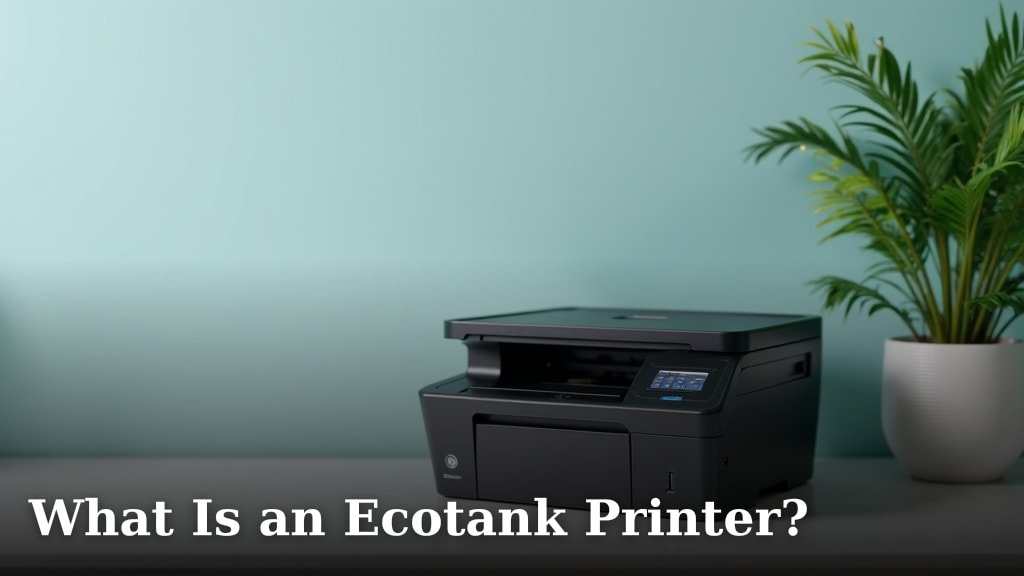
An Ecotank printer is a type of inkjet printer that uses refillable ink tanks instead of traditional cartridges. This design helps you save money on ink over time. It’s a smart choice for anyone who prints a lot.
These printers come with large, integrated ink tanks that you fill from bottles. This means you rarely need to buy new cartridges. We found many users enjoy the convenience and lower running costs.
- Ecotank printers use refillable ink tanks.
- You pour ink from bottles into the printer.
- This saves you money compared to ink cartridges.
- Ecotanks are good for frequent printing.
Ready to learn more? Let’s break down everything you need to know about Ecotank printers and how they work.
Understanding Epson’s Ecotank Technology
Ecotank printers are all about a different approach to ink. Instead of small, disposable cartridges, you get large, refillable tanks. This system changes how you buy and use ink.
You pour ink from bottles directly into these tanks. It’s a straightforward process. This method helps you avoid constant cartridge replacements, which many users find frustrating and expensive.
How Ecotank Printers Are Different from Cartridge Printers
The main difference lies in the ink delivery system. Traditional printers use cartridges with a limited ink supply. Ecotank printers use built-in reservoirs.
Think of it like this: cartridge printers are like buying bottled water every day. Ecotank printers are like having a water cooler that you refill from a large jug. The latter is often more economical in the long run.
The Ink Tank System Explained
Ecotank printers feature a series of sealed tanks, usually four or more, for different colors (cyan, magenta, yellow, and black). Each tank has a dedicated filling port. We found this design makes it easy to identify and refill the correct color.
The ink bottles themselves are often “keyed.” This means each bottle’s nozzle is shaped to fit only its corresponding tank. This design innovation helps prevent accidental misfills, which could damage your printer.
The Financial Benefits of Ecotank Printers
One of the biggest reasons people choose Ecotank printers is the cost savings on ink. While the initial purchase price might be higher, the long-term savings are significant.
We found that Ecotank ink bottles often cost less per milliliter than cartridge ink. Many users report printing thousands of pages before needing a refill (Epson).
Comparing Ink Costs: Ecotank vs. Cartridges
Let’s look at a quick comparison to illustrate the potential savings. Imagine printing 5,000 black and white pages and 2,000 color pages each year. With traditional cartridges, you could spend hundreds of dollars annually.
With an Ecotank, you might only need one or two sets of ink bottles for the entire year. This difference can add up to substantial savings over the printer’s lifespan.
| Feature | Ecotank Printer | Traditional Cartridge Printer |
|---|---|---|
| Ink System | Large refillable tanks | Small, disposable cartridges |
| Initial Cost | Often higher | Often lower |
| Ink Cost per Page | Very low | Higher |
| Refill Frequency | Infrequent (thousands of pages) | Frequent (hundreds of pages) |
| Environmental Impact | Less plastic waste | More plastic waste |
Long-Term Value and Your Budget
When you consider a printer purchase, it’s wise to think beyond the upfront cost. An Ecotank printer represents a long-term investment. It’s especially beneficial if your household or small business prints frequently.
Many experts suggest calculating the total cost of ownership (TCO). This includes the printer’s price plus estimated ink costs over several years. Ecotank models often win out in this calculation.
Key Features and Functionality
Beyond the ink system, Ecotank printers offer many features you’d expect from modern inkjet printers. They are designed for a variety of printing needs.
You’ll find models suitable for home use, small offices, and even photo printing. They aim to provide reliability and convenience.
Print Quality and Performance
Ecotank printers generally deliver excellent print quality. They use high-quality pigment and dye-based inks, similar to those found in cartridge printers. This means your documents and photos will look sharp and vibrant.
Print speeds vary by model. However, many Ecotank printers offer competitive speeds for both black and white and color printing. We found they stand up well against cartridge-based counterparts.
Connectivity and Ease of Use
Modern Ecotank printers come with a range of connectivity options. You can usually connect via USB, Wi-Fi, and Ethernet. Many models also support mobile printing from smartphones and tablets.
Setting up an Ecotank printer is usually straightforward. The ink filling process is designed to be mess-free. The clear ink tanks allow you to easily monitor ink levels, so you know exactly when a refill is needed.
Is an Ecotank Printer Right for You?
Deciding if an Ecotank printer is the best choice depends on your specific printing habits. We found they are a great fit for certain users.
Consider how much you print and what your budget looks like. This will help you make an informed decision.
Who Benefits Most from an Ecotank Printer?
You might be an ideal candidate for an Ecotank printer if you:
- Print frequently, whether it’s for work, school, or personal projects.
- Are tired of constantly buying expensive ink cartridges.
- Want to reduce your environmental footprint by creating less plastic waste.
- Need a printer that can handle high-volume printing without breaking the bank.
- Value long-term savings over a lower initial purchase price.
- Don’t mind the slightly higher upfront cost for the printer itself.
Considerations Before You Buy
While Ecotank printers offer many advantages, there are a few things to keep in mind. The initial cost can be higher than a comparable cartridge printer. This is because the value of the included ink is factored into the price.
Also, ink refilling, while easy, is still a manual process. It might not appeal to everyone. However, many users quickly get the hang of it and appreciate the infrequent nature of refills.
Conclusion
An Ecotank printer truly redefines how you manage your printing needs. By ditching cartridges for refillable tanks, you unlock significant savings and reduce waste. You get excellent print quality and modern features without the constant worry of running out of ink. While the initial investment might be higher, the long-term financial benefits and convenience are clear. We encourage you to weigh your printing volume and budget. If you print often, an Ecotank printer is a smart, economical choice for your home or small office.
Frequently Asked Questions
Are Ecotank printers messy to refill?
No, the refilling process is designed to be very clean. Epson’s ink bottles have unique nozzles that fit only their corresponding color tank, preventing spills and incorrect fills. Many users find it a simple and mess-free task.
How long does the ink in an Ecotank printer last?
Ecotank ink typically lasts for thousands of pages. The exact yield depends on the model and what you print. For example, a single set of ink bottles might last up to two years for average home use, significantly longer than traditional cartridges.
Can I use third-party ink in my Ecotank printer?
While some third-party inks are available, using non-Epson ink can void your printer’s warranty. It can also potentially lead to print quality issues or even damage the printer”s print head. For best results and to maintain your warranty, we recommend using genuine Epson ink.
Do Ecotank printers dry out if not used often?
Ecotank printers are designed to prevent ink from drying out. The sealed ink tank system helps maintain ink freshness. We still recommend printing at least once a week to keep the print nozzles clear, which is good practice for any inkjet printer.
Is an Ecotank printer good for photo printing?
Yes, many Ecotank models offer excellent photo printing capabilities. They use high-quality dye-based inks for vibrant colors and sharp details. You can achieve professional-looking photos right from your home, often at a much lower cost per print than traditional photo printers.
