
Is It Safe to Touch a Print Head?
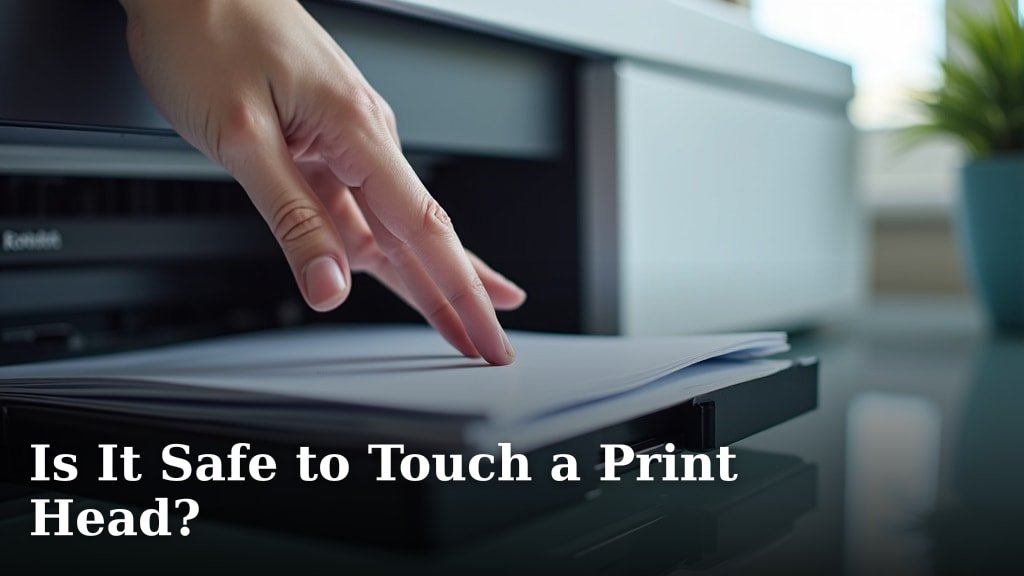
No, it is generally not safe to touch a print head directly. Touching a print head can cause damage to the printer and affect print quality. Oils and debris from your fingers can clog the tiny nozzles.
Many experts say that even a slight touch can lead to costly repairs or replacements. You could accidentally misalign delicate components or introduce contaminants. It’s important to handle your printer with care, especially internal parts.
- Avoid touching the print head directly.
- Finger oils can clog nozzles.
- Damage can affect print quality.
- Misalignment can occur easily.
- Professional cleaning is often best.
Let’s walk through exactly why touching a print head is a bad idea and what you should do instead. We’ll cover ways to maintain your printer without causing damage.
The Risks of Touching Your Printer’s Brain
You might be wondering, “What’s the big deal if I just give it a little tap?” Well, that “little tap” can have big consequences. We found that the print head is one of the most sensitive parts of your printer. It’s like the brain of your machine, carefully controlling where every tiny drop of ink lands. Touching it directly can throw everything off.
Why Fingerprints Are the Enemy
Your fingers, even when they feel clean, carry natural oils and microscopic particles. When these transfer to the print head, they can cause serious problems. Think of it like getting grease on your eyeglasses – suddenly everything looks blurry. The same happens with your printer’s output.
Clogging Tiny Nozzles
Each print head has hundreds, sometimes thousands, of incredibly tiny nozzles. These nozzles are smaller than a human hair! They are designed to spray ink with extreme precision. When even a tiny bit of oil or debris blocks a nozzle, it can’t spray correctly. This leads to missing lines or streaks in your prints.
Many printer manufacturers, like HP and Canon, specifically warn against touching the print head directly in their user manuals (User Manuals, typical printer brands). This isn’t just a suggestion; it’s a critical instruction for maintaining print quality.
Ink Contamination Concerns
Beyond clogging, your fingerprints can also introduce contaminants into the ink flow. This can change the ink’s properties, causing it to dry differently or even react poorly with other ink colors. You might end up with odd color shifts or prints that look dull and uneven. It truly affects the overall vibrancy of your documents and photos.
Physical Damage to Delicate Components
Print heads are not built for human interaction. They are precision instruments made of plastic, metal, and tiny electrical circuits. Even a gentle touch can exert enough force to cause physical damage.
Misalignment Issues
Consider a print head as a highly tuned instrument. If you tap on a guitar string too hard, it can go out of tune. Similarly, bumping a print head can subtly knock it out of alignment. Once misaligned, the nozzles can’t accurately place ink dots on the paper. This results in fuzzy text, misaligned images, or a general lack of sharpness. Getting it realigned often requires professional service.
We found that many common print quality issues, like “ghosting” or repeated patterns, are often traced back to misaligned components. It’s a surprisingly easy way to ruin your printing experience.
Scratches and Electrical Damage
Your fingernails, a ring, or even a slight brush with an uncontrolled hand can scratch the delicate surface of the print head. These scratches can then interfere with ink ejection or lead to permanent damage. Worse, an electrostatic discharge from your body could potentially damage the sensitive electronics within the print head. Zap!
What Happens When You Touch a Print Head? A Quick Look
Let’s summarize the immediate and long-term effects of print head contact.
| Immediate Effect | Long-Term Consequence |
|---|---|
| Fingerprint/Oil Transfer | Clogged nozzles, streaky prints |
| Physical Bump/Force | Misaligned print head, fuzzy output |
| Dust/Debris Introduction | Ink contamination, poor color quality |
| Static Discharge Risk | Electrical damage, print head failure |
| Surface Scratches | Permanent ink flow issues |
When You Absolutely Must Handle the Print Head
Sometimes, you can’t avoid interacting with the print head, like when you’re installing a new one or trying to clear a stubborn jam. If you find yourself in this situation, follow these essential guidelines to minimize risk.
Wear Gloves
Always wear lint-free gloves. Nitrile or latex gloves are ideal. This creates a barrier between your skin and the print head, preventing the transfer of oils and debris. Think of it as a surgeon preparing for an operation – cleanliness is key.
- Use powder-free gloves.
- Ensure they are clean and free of tears.
- Avoid touching anything else before handling the print head.
Handle by the Edges
If you need to pick up or move a print head, always hold it by its designated edges or casing. Avoid touching the nozzle plate (the metallic part with tiny holes) or any electrical contacts. The goal is to interact with the sturdiest, least sensitive parts.
As we researched, proper handling is one of the biggest differentiators between successful DIY print head maintenance and accidental damage (PC World Tech Support articles).
Checklist for Safe Print Head Interaction
Before you even open your printer’s cover, run through this quick checklist:
- Power off and unplug the printer.
- Gather lint-free gloves and any necessary tools.
- Read your printer’s specific manual for instructions.
- Ensure good lighting to see what you’re doing.
- Have a clean, static-free surface to place components.
- Act slowly and deliberately; never rush.
Better Ways to Maintain Your Print Head
Instead of touching, there are much safer and more effective ways to keep your print head in top condition. These methods are designed to clean and maintain without direct contact.
Utilize Printer Cleaning Cycles
Most modern printers have built-in cleaning cycles. These run a specific routine to flush out clogged nozzles with ink, often using pressure or suction. This is the safest first step if you notice print quality issues. You can usually access this function through your printer’s control panel or software on your computer.
Many experts recommend running a cleaning cycle once a month, even if you’re not experiencing problems, especially if your printer sits unused for a while. It’s like regular preventative maintenance for your car.
Consider Professional Cleaning (When Needed)
If automated cleaning cycles don’t resolve your issues, or if you suspect deeper problems, it might be time to call in a professional. Printer technicians have specialized tools and knowledge to safely clean or replace print heads without causing further damage. They can usually diagnose exactly what’s wrong. It might cost a bit, but it can save you from buying a brand-new printer.
Remember, your printer is an investment. Protecting its most vital parts, like the print head, helps ensure its longevity and continued excellent performance. Avoid the temptation to “fix it” with your bare hands, and you’ll likely save yourself a lot of headaches (and money!) in the long run.
Conclusion
You now know that touching your printer’s print head directly is a bad idea. Those tiny components are incredibly delicate, and your fingers can cause major issues. From clogged nozzles to misaligned parts, the risks are high. We found that even a small amount of oil can impact your print quality.
Safeguarding your print head ensures your printer lasts longer and produces crisp, clear documents. Always use gloves and follow manufacturer guidelines for internal access. When in doubt, let the printer’s automatic cleaning cycles or a professional handle it. Protect your investment by avoiding direct contact.
Frequently Asked Questions
Can a dirty print head damage my printer long term?
Yes, a consistently dirty or clogged print head can certainly lead to long-term damage. Over time, solidified ink or debris can put extra strain on the printer’s mechanisms. This could cause premature wear and tear on other internal components, requiring more costly repairs.
How often should I run my printer’s cleaning cycle?
Most experts recommend running a printer’s built-in cleaning cycle periodically, often once a month. If you print infrequently, it’s a good idea to run it before a major printing job. This prevents ink from drying and minimizes clogs before they become a problem.
What are the signs of a damaged print head?
Signs of a damaged print head include horizontal streaks, missing colors, blurred text, or completely blank pages. You might also notice inconsistent print quality or a message from your printer indicating an error. These issues usually appear suddenly or worsen over time.
Is it ever safe to manually clean a print head with a swab?
Generally, no, it is not safe to manually clean the nozzle plate of a print head with a cotton swab or cloth. You risk pushing debris further into nozzles or causing essential misalignment. Always consult your printer’s manual; some suggest specific, gentle methods for certain accessible areas, but never the nozzle plate itself.
Why is print head replacement so expensive?
Print heads are expensive because they are precision-engineered components containing thousands of microscopic nozzles and complex electronics. They are often one of the most technologically advanced parts of the printer. The cost covers the intricate manufacturing process and the advanced technology involved in accurately jetting ink.
