Can You Use an Inkjet Printer for Screen Printing Transfers?
On this page (3 sections)
No, you generally cannot use an inkjet printer for screen printing transfers directly. We found that inkjet ink is water-based and too thin for creating the opaque stencils needed for dark garments and proper screen exposure. You need a specialized printer for this.
You might be wondering, “Why can’t I just make it work?” We get it. Many people try to adapt their home inkjet for this purpose, but it often leads to frustration. The core issue is less about the printer itself and more about the ink and film output required for effective screen printing.
- Inkjet printers use water-based inks.
- Screen printing needs opaque, UV-blocking ink.
- You need a special film transparency.
- Standard inkjet prints result in blurry or weak stencils.
So, what kind of printer do you need for screen printing, and what are your options for getting started with transfers? Let’s walk through everything you need to know about preparing your designs for screen printing success.
Why Inkjet Printers Fall Short for Screen Printing Transfers
Using your home inkjet printer for screen printing transfers just doesn’t work. We found the crucial element that’s missing is the right kind of ink and the proper film output.
You might be wondering, “What’s the big deal with the ink?” It all comes down to how screen printing works. You need a completely opaque image on a transparency sheet.
This opaque image blocks UV light during the screen exposure process. If light gets through, your stencil won’t form correctly. Think of it like a shadow puppet: you need a solid hand to cast a clear shadow.
The Problem with Inkjet Ink
Your everyday inkjet printer uses ink that’s water-based and dyes or pigments that aren’t dense enough. When you print a design, it looks great on paper, but it’s not truly opaque.
Even if you print multiple layers or try to adjust settings, the ink simply isn’t engineered for this purpose. It’s designed for vibrant colors and sharp details on paper, not for blocking powerful UV light.
Why Opacity Matters for Screen Stencils
Screen printing relies on a photographic process. When you expose your screen to UV light, the areas covered by your opaque design remain unhardened and wash away. This creates your stencil.
If your inkjet-printed design isn’t fully opaque, light will seep through. This leads to a blurry, weak, or partially hardened stencil. You’ll end up with fuzzy edges or no stencil at all on your screen.
Specialized Printers for Screen Printing Positives
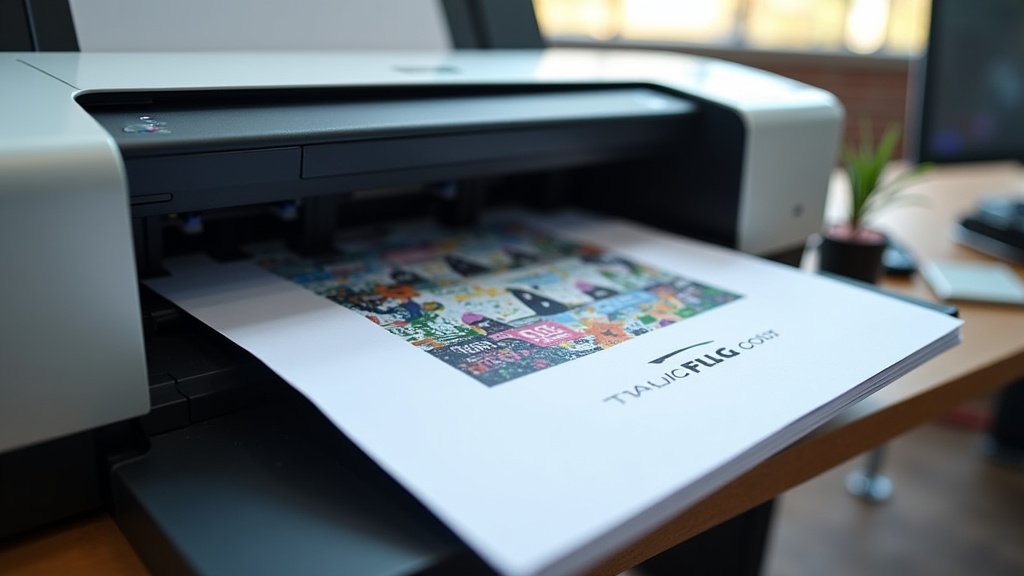
So, if an inkjet won’t do the trick, what kind of printer do you need? You’ll need a printer capable of producing film positives. These are the transparency sheets with your design printed in blocking ink.
Most screen printers use either a desktop inkjet printer with specialized ink or a laser printer. Each has its own benefits and drawbacks for creating these vital film positives.
Desktop Inkjet with Specialized Inks
Yes, you can use a desktop inkjet printer, but it requires a few important changes. You need particular opaque ink. This ink is much denser and designed to block UV light.
You’ll also need specific film transparency sheets that absorb this ink properly and don’t allow it to bleed or smudge. This combination creates the high-density image required for a good stencil.
- Requires special, dense black ink.
- Needs specific, clear film transparencies.
- Often uses a RIP (Raster Image Processor) software for optimal density.
- Produces very high-quality positives suitable for fine details.
Laser Printers for Film Positives
Laser printers use toner, which is a powder, not liquid ink. When heat-fused onto transparency film, toner can provide good opacity. Many beginners and smaller studios opt for this method.
However, toner might not be as perfectly opaque as dedicated inkjet film inks, especially for very fine details or when printing for deep exposure times. You might need to use a toner densifier spray.
- Uses toner, which is inherently more opaque than standard inkjet ink.
- Requires special heat-stable transparent films.
- Can sometimes be less consistent in opacity than specialized inkjet systems.
- A toner densifier spray might be needed for maximum opacity.
Comparing Printer Types for Screen Printing Positives
Let’s look at how these different printer types stack up when you’re trying to create a good screen printing positive. You need to consider cost, quality, and ease of use.
| Feature | Standard Inkjet Printer (Your Home Printer) | Inkjet Printer with Specialized Ink/Film | Laser Printer |
|---|---|---|---|
| Ink/Toner Type | Water-based dye/pigment ink | Dense, UV-blocking ink | Powdered toner |
| Opacity for UV | Low (Fails for screen stencils) | High (Excellent) | Moderate to High (Good, may need densifier) |
| Film Required | Standard paper or inkjet transparency | Special treated clear film | Heat-stable laser transparency |
| Cost (Initial) | Low (Already owned) | Moderate (Printer + special ink/film) | Moderate to High (Printer + special film) |
| Detail Quality | Poor for screen stencils | Excellent | Good, but fine lines can be tricky |
| Best Use | Household printing | Professional screen printing positives | Hobbyist/small run screen printing positives |
Alternatives to Printing Your Own Film Positives
If investing in a specialized setup isn’t in your immediate plans, don’t worry! You still have options for getting the film positives you need. You don’t have to print them yourself.
Ordering Custom Film Positives
Many online services specialize in printing high-quality film positives for screen printers. You simply send them your digital design file, and they print and ship the film to you.
This is often the most cost-effective and reliable option for beginners. You get professional-grade results without buying new equipment. It saves you time and potential frustration.
Using a Local Print Shop
Your local print shop or copy center might also be able to print film positives for you. Call ahead and specifically ask if they can print “high-density black on transparency film” suitable for screen printing.
Make sure they understand the requirement for UV blocking. Some shops might not be equipped for the extreme opacity needed. It’s always best to ask questions first.
Key Steps for Preparing Your Design for Screen Printing
No matter how you get your film positive, your design needs to be ready. This means preparing the artwork correctly for screen printing. It’s not just about what printer you use.
Here’s a quick checklist to guide you:
- Vectorize your artwork: Convert all fonts and lines to vectors for sharp, scalable results.
- Use 100% black: Your design should be pure black (K=100) on a transparent background.
- Consider halftones: For shades of gray or photographic images, convert them to halftones.
- Reverse your image (if needed): Ensure the final print appears correctly on the garment.
- Add registration marks: These tiny marks help you align multiple colors on your screen.
By following these steps, you ensure your design is optimized, regardless of whether you’re printing your own film positive or having it done professionally. A good design file is the foundation of a good screen print.
Conclusion
While your home inkjet printer might seem like a convenient option for screen printing transfers, we’ve found it simply won’t produce the results you need. The key is understanding that screen printing requires specialized, opaque prints to create a proper stencil. Whether you invest in a dedicated inkjet system with dense black ink, use a laser printer with densifier, or opt for professional film positives, choosing the right method from the start will save you time and frustration.
Focus on getting a truly opaque film positive, and your screen printing journey will be much smoother. Take that next step and choose the film positive solution that best fits your budget and skill level.
Frequently Asked Questions
Can I use special inkjet transparency film with my regular inkjet printer?
Standard inkjet transparency film might allow the ink to dry, but it won’t magically make your regular inkjet ink opaque enough. The opacity issue is primarily with the ink itself, not just the film. You still need specialized, dense black inkjet ink designed to block UV light.
What’s a “film positive” in screen printing?
A film positive is a transparent sheet with your design printed on it in an opaque, UV-blocking ink or toner. This positive is placed on your screen during exposure, and the opaque design prevents light from hardening the emulsion underneath, allowing you to wash it out and create your stencil.
Is a toner densifier spray always necessary for laser-printed film positives?
While some laser printers offer good opacity, a toner densifier spray can significantly improve the UV-blocking power of your laser-printed positives. We found it’s a good extra step, especially for fine details or designs requiring maximum opacity to ensure consistent stencil results.
Can I just draw my design by hand on transparency film with a marker?
Technically, yes, you can. However, achieving consistent opacity and intricate details with a marker is very challenging. For best results and professional quality, we recommend using printed film positives for sharp, clean stencils, even if you start with a hand-drawn original.
Where can I find specialized inkjet inks for screen printing positives?
You can find specialized dense black inkjet inks (often called “UV-blocking ink” or “screen print black ink”) from screen printing supply vendors. These are typically dye-based inks formulated for maximum UV opacity. Make sure they are compatible with your specific inkjet printer model.