
How Much Does an Inkjet Printer Cost?
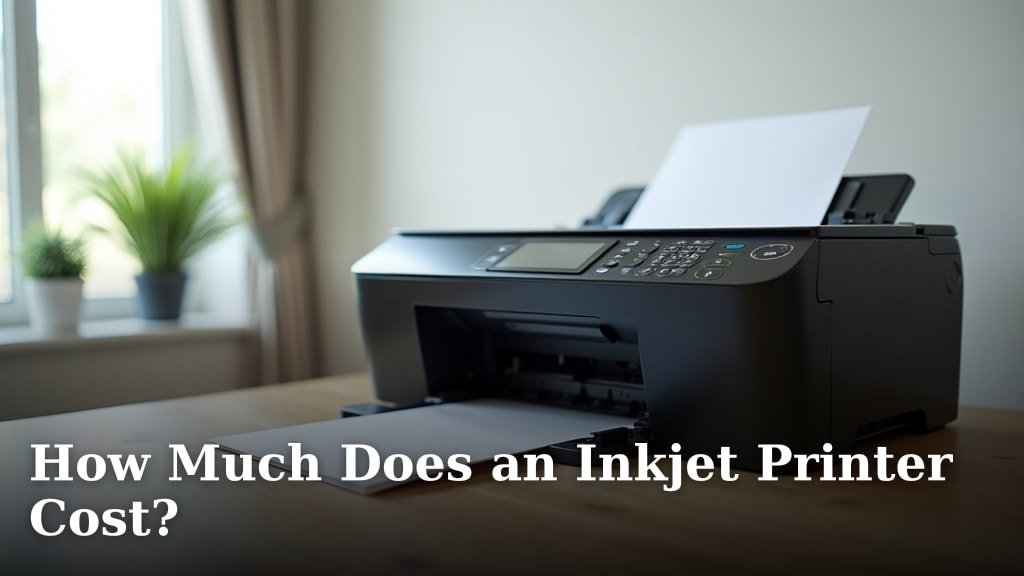
Inkjet printers can cost anywhere from around $50 to over $500, depending on their features and brand. Most casual home users will find a good option in the $70 to $200 range. The price often depends on things like print quality, speed, and extra functions.
When you’re looking for an inkjet printer, you’re not just buying the device itself. You’re also thinking about how much those ink cartridges will cost over time. We found that the upfront printer price is only one part of the total cost of ownership.
- Entry-level inkjet printers are typically $50-$100.
- Mid-range models with more features often cost $100-$300.
- High-end or specialized inkjet printers can exceed $300.
- Consider ink cartridge costs, as they add up over time.
- Think about your printing needs to choose the right price point.
Below, we break down exactly what factors influence the cost of an inkjet printer and help you find the best value for your budget. Let’s find your perfect printer!
Understanding Inkjet Printer Pricing: What Factors Drive Cost?
Inkjet printer prices vary widely, mostly due to features like print speed, resolution, wireless connectivity, and brand reputation.
You might wonder why two printers with similar basic functions have different price tags. We found it often comes down to the details and extra capabilities. Think of it like cars – they all get you from A to B, but some offer more comfort or speed.
When you’re shopping, you’ll see a big range. Some basic models are very cheap, while others are quite expensive. Let’s break down what makes prices go up or down.
Entry-Level vs. Mid-Range vs. High-End Inkjets
Printers generally fall into a few categories based on their features and cost. Knowing these can help you set your expectations.
Basic Models: Your First Printer (Usually $50-$100)
These are great for occasional printing. If you just need to print a few documents or homework assignments each month, a basic model is perfect. They typically offer standard print quality and slower speeds.
Don’t expect many bells and whistles here. You’ll likely get basic USB connectivity and maybe a simple paper tray. The upfront cost is low, which is appealing.
Mid-Range Models: The Sweet Spot for Most ($100-$300)
Most home users and small offices find their ideal printer in this price range. These models offer a good balance of features and performance without breaking the bank. You’ll often see faster print speeds and better print quality.
Mid-range printers usually include Wi-Fi, automatic duplex (two-sided) printing, and sometimes an automatic document feeder (ADF). These features make your printing tasks much easier and more efficient.
High-End or Specialty Printers: When Quality Matters Most (Over $300)
If you’re a photographer, a small business, or need to print large volumes, you might look at higher-end inkjet printers. These offer exceptional print quality, often with more ink cartridges for vibrant colors.
They also boast very fast printing speeds and robust build quality. Features like touchscreens, larger paper capacities, and advanced connectivity options are common here. You’re paying for professional results and reliability.
Key Features That Influence Price
Certain features can significantly bump up an inkjet printer’s cost. Understanding these helps you decide what’s truly essential for your needs.
- Print Quality: Higher resolution (measured in DPI) for sharper text and more detailed photos means a higher price.
- Print Speed: Printers that churn out pages faster usually cost more. Look for pages per minute (PPM) ratings.
- Connectivity Options: Wi-Fi, Ethernet, and mobile printing capabilities add to the cost compared to just USB.
- Automatic Duplexing: The ability to print on both sides of a page automatically is a convenience that adds value.
- Automatic Document Feeder (ADF): Essential for scanning or copying multi-page documents without manual effort.
- Touchscreen Display: Larger, color touchscreens make navigation easier but increase the price.
- Ink System: Printers with separate ink tanks for each color, or refillable ink tanks (ink tank printers), often cost more upfront but save money on ink over time.
The Brand Factor: Does it Really Matter?
Yes, brand absolutely plays a role in pricing. Established brands like HP, Epson, Canon, and Brother often command a slightly higher price. This is typically due to their reputation for reliability, customer support, and research & development investments.
Sometimes, you’re paying a bit extra for peace of mind. We found that these brands often offer better driver support and software integration, which can make your printing experience smoother.
Beyond the Initial Purchase: Total Cost of Ownership
The sticker price is just the beginning. The real cost of an inkjet printer unfolds over its lifetime. This is often called the Total Cost of Ownership (TCO). It’s like buying a car; the purchase price is one thing, but gas, insurance, and maintenance add up.
We found that many people overlook these ongoing costs, which can sometimes exceed the printer’s initial price tag. This is especially true for ink cartridges.
The Real Cost of Ink Cartridges
Ink is where printer companies often make their money. Those small cartridges can be surprisingly expensive. Many experts say that the cost per page for ink can vary wildly, sometimes costing more than a dollar for a single color photo print (Consumer Reports).
Standard Cartridges vs. High-Yield Cartridges
Most printers use standard cartridges. These contain less ink and need replacing more often. High-yield cartridges, on the other hand, contain more ink and print more pages before running out. They cost more upfront but often offer a lower cost per page.
Always check the estimated page yield for cartridges. This tells you how many pages you can expect to print from one cartridge before it needs replacing. It’s a key factor in calculating your long-term ink costs.
The Rise of Ink Tank Printers
Some newer inkjet printers, often called “ink tank” or “eco-tank” printers, have revolutionized ink costs. Instead of small cartridges, they use large, refillable tanks. You buy bottles of ink to top them up.
While these printers have a higher upfront cost (often $200-$500 or more), their ink costs per page are dramatically lower. If you print a lot, an ink tank printer can save you a significant amount of money over time. We found this to be a game-changer for high-volume users.
Understanding Cost Per Page (CPP)
The cost per page (CPP) is a vital metric to consider. It helps you compare the true running costs of different printers. You can usually find this information on the manufacturer’s website or in product reviews.
To calculate CPP, you divide the cost of the ink cartridge by its estimated page yield. For example, if a black ink cartridge costs $20 and prints 200 pages, your CPP is $0.10 per page. Do this for both color and black ink.
Other Ongoing Costs to Consider
Ink isn’t the only long-term expense. Keep these in mind:
- Paper: While seemingly small, if you print a lot, paper costs add up.
- Maintenance: Occasionally, print heads might need cleaning or replacing, though this is less common with modern inkjets.
- Energy Consumption: Printers use electricity. While not a huge expense, it’s there.
- Replacement Parts: Over many years, rollers or other components might wear out.
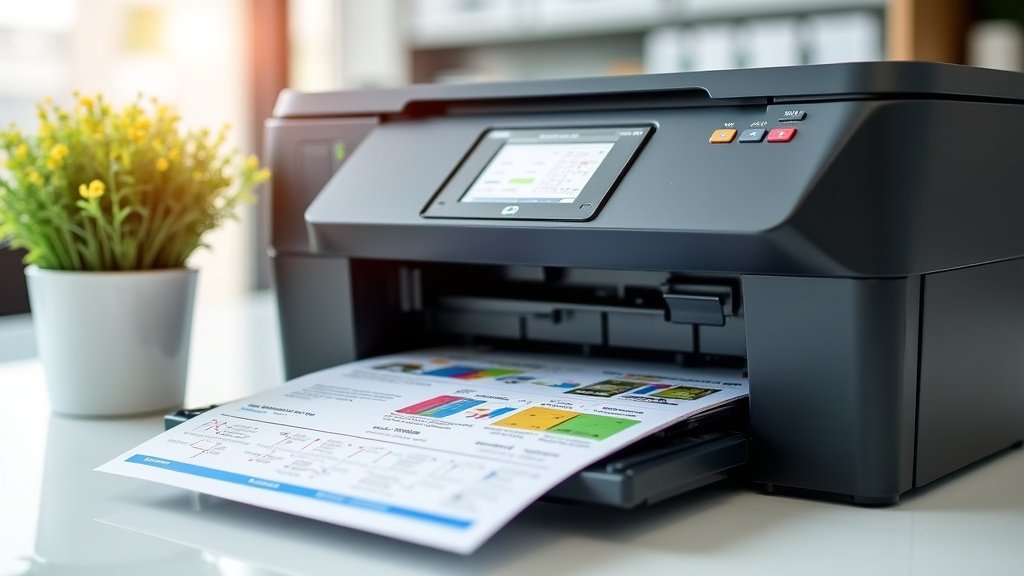
Choosing the Right Printer for Your Budget and Needs
To make the best decision, you need to match your printing habits with a printer’s capabilities and cost structure. Don’t just pick the cheapest one you see!
| Printing Needs | Recommended Printer Type | Typical Upfront Cost | Ink Cost Implications |
|---|---|---|---|
| Occasional home use (10-20 pages/month) | Basic Cartridge Inkjet | $50 – $100 | Higher CPP, but low overall due to infrequent printing |
| Moderate home/student use (20-100 pages/month) | Mid-Range Cartridge Inkjet | $100 – $250 | Moderate CPP, consider high-yield cartridges |
| Small home office/heavy use (100+ pages/month) | Ink Tank Printer or Performance Inkjet | $250 – $500+ | Very low CPP, significant long-term savings on ink |
| Photo printing enthusiast | Photo-focused Inkjet | $200 – $600+ | Higher CPP for photo ink, but superior quality |
A Checklist for Your Inkjet Printer Purchase
Before you commit, ask yourself these questions:
- What is my typical monthly printing volume? (Rough estimate is fine!)
- Do I need color printing often, or mostly black and white?
- Is photo quality important, or just basic document printing?
- Do I need features like Wi-Fi, scanning, or copying?
- How much am I willing to spend on ink over time?
- What is my absolute maximum upfront budget for the printer itself?
Thinking through these points will guide you toward a printer that not only fits your budget today but also serves you well for years to come.
Conclusion
Choosing an inkjet printer involves more than just the upfront sticker price. We’ve shown you how factors like print quality, speed, and extra features influence initial cost. Remember to always consider the total cost of ownership, especially the ongoing expense of ink cartridges. By matching your specific printing habits with the right printer type, you can find a device that fits your budget today and saves you money in the long run. Take our checklist to heart; it will guide your decision toward the perfect printer.
Frequently Asked Questions
Are cheaper inkjet printers always a bad deal?
Not necessarily. Very cheap inkjet printers are fine for occasional use, like printing a few documents monthly. However, their ink cartridges often have a higher cost per page. This means they can become expensive if you print frequently.
What’s the main difference between an inkjet and a laser printer’s cost?
Inkjets typically have a lower upfront cost than laser printers. Laser printers often cost more initially but usually offer a lower cost per page for black and white printing. Laser printers use toner powder instead of liquid ink.
Can I save money by buying third-party ink cartridges?
You might save money upfront with third-party or refilled cartridges. However, these can sometimes cause print quality issues or even damage your printer. Most manufacturers recommend using their genuine cartridges for best results and to maintain your warranty.
How often will I need to replace ink cartridges in a typical inkjet printer?
This depends entirely on how much you print. If you print occasionally, a set of cartridges might last several months. For frequent users, you might need new cartridges every few weeks. Always check the estimated page yield for your specific cartridges.
Do inkjet printers use a lot of electricity?
No, inkjet printers are generally very energy efficient. They use minimal power when idle and only a small amount while actively printing. The electricity cost for an inkjet printer is usually negligible compared to the cost of ink and paper.
