
What Is the Best Photo Paper for Inkjet Printers?
The best photo paper for inkjet printers is not a single type, but rather depends on your specific needs and desired look. We found that premium glossy or luster paper often gives the most vibrant and professional results for photos. However, matte paper is excellent for art prints and reduced glare.
Choosing the right paper can make a huge difference in how your photos appear and feel. You want your printed images to look as good as they do on screen, right? We’ve researched and found that understanding paper types helps you achieve stunning, long-lasting prints at home.
- Glossy paper offers vibrant colors and shine.
- Luster paper provides a slight sheen with less glare.
- Matte paper is ideal for a non-reflective, artistic finish.
- Paper weight affects durability and professional feel.
- Consider your printer’s ink type for best results.
Let’s dive in and explore the different types of photo paper so you can make the perfect choice for your next printing project.
Choosing the Best Photo Paper for Your Inkjet Printer
The best photo paper for your inkjet printer isn’t about finding a single “perfect” product. It’s about matching the paper to your printer, your specific photo, and your desired final look. We found that understanding paper characteristics helps you get stunning results every time.
Understanding Photo Paper Types: Glossy vs. Luster vs. Matte
When you walk into a store or browse online, you’ll primarily see three main finishes. These finishes determine how your photos reflect light and what kind of feel they have. Let’s break them down.
Glossy Photo Paper: The Classic Shine
Glossy paper is probably what you picture when you think of a traditional photo print. It has a shiny, reflective surface that makes colors pop. Think of those old family photo albums – many of those prints were on glossy paper.
- Pros: Colors look incredibly vibrant. Images appear sharp and detailed. It’s great for photos you want to have a strong visual impact. Many people love the classic photo feel.
- Cons: Highly reflective, meaning glare can be an issue. Fingerprints show up easily. It can sometimes stick to glass if framed without a mat.
- Best Use: Landscapes, portraits with bright colors, vacation photos, any image where you want maximum color saturation and a “wet” look.
Luster Photo Paper: The Best of Both Worlds
Luster paper is a fantastic compromise between glossy and matte. It has a subtle, semi-gloss sheen. It’s often described as having a pearl-like finish. We found it’s a favorite among professional photographers for good reason.
- Pros: Offers good color vibrancy without the excessive glare of glossy. Fingerprints are less noticeable. It feels professional and high-quality.
- Cons: Slightly less vibrant than glossy, but the difference is often minimal.
- Best Use: Wedding photos, professional portraits, photos for framing, or any image where you want richness without distracting reflections. It’s a versatile choice for almost any photo.
Matte Photo Paper: The Non-Reflective Choice
Matte paper has a completely non-glossy, smooth surface. It absorbs light rather than reflecting it. This gives your photos a soft, artistic appearance. It’s a very different look compared to glossy or luster.
- Pros: Zero glare, making it perfect for display behind glass or in bright rooms. Fingerprints are practically invisible. It provides a sophisticated, painterly feel. It’s often chosen for fine art prints.
- Cons: Colors appear less vibrant and saturation is lower compared to glossy or luster. Deep blacks can sometimes look muted.
- Best Use: Black and white photography, fine art prints, graphic designs, photos with a soft or vintage aesthetic, or images that will be handled frequently.
Why Paper Weight Matters for Your Prints
Beyond the finish, paper weight is another crucial factor. It affects how your print feels in your hand and its overall durability. Photo paper weight is usually measured in grams per square meter (GSM) or sometimes in pounds (lb) for US measurements.
Think of it like regular paper: a heavy cardstock feels much different than a flimsy piece of printer paper. The same goes for photo paper. We found that heavier paper generally equates to a more professional and substantial feel.
Common Photo Paper Weights Explained
- 180-200 GSM (47-53 lb): This is generally considered standard photo paper. It’s good for everyday prints and sharing. It feels a bit thicker than regular printer paper.
- 210-250 GSM (55-66 lb): This weight offers a more substantial feel. It’s great for prints you want to display or frame. Many premium consumer photo papers fall into this range.
- 260-300 GSM (68-80 lb and up): This is heavy, premium-grade paper. It feels luxurious and very durable. It resists creasing and holds up well over time. This is often used for fine art prints and professional portfolios.
When selecting paper, consider how the print will be used. Will it be handled a lot? Framed? Just for casual viewing? Heavier paper usually holds up better over time and prevents buckling.
Inkjet Printer Compatibility: Dye vs. Pigment Inks
Your printer’s ink type plays a big role in how well your photos turn out on different papers. Most inkjet printers use either dye-based or pigment-based inks, or sometimes a combination of both (Epson and Canon often use both).
Dye-Based Inks
These inks are known for producing incredibly vibrant colors. They are absorbed into the paper’s coating. They offer a wider color gamut, meaning they can reproduce more colors. However, they are generally less resistant to fading from UV light and can be more susceptible to smudging if they get wet.
- Best with: Papers designed with a microporous coating. Glossy and luster papers often have this coating to help the ink dry quickly and prevent bleeding.
- Longevity: Can fade over time, especially if exposed to direct sunlight.
Pigment-Based Inks
Pigment inks consist of tiny solid particles suspended in a liquid. Instead of being absorbed, they sit on the surface of the paper. They are much more durable, offering superior resistance to water, smudging, and fading. This makes them ideal for archival prints.
- Best with: A wider range of papers, including matte and fine art papers. They work very well on coated papers too.
- Longevity: Excellent, often lasting for decades without noticeable fading (Library of Congress reports).
It’s always a good idea to check your printer’s specifications to see what type of ink it uses. Many printer manufacturers also sell their own brand of photo paper, which is often optimized for their specific ink formulas.
Other Important Photo Paper Features to Consider
Beyond the main types, a few other features can influence your choice.
Brightness and Whiteness
Paper brightness refers to how much light the paper reflects. Whiteness refers to the shade of white. A brighter, whiter paper can make colors appear more vivid and true. Some papers have a slightly warmer or cooler tone, which can affect the overall mood of your photo.
Archival Quality
If you want your prints to last for many years without fading or yellowing, look for papers labeled “archival quality” or “acid-free.” These papers are designed to resist degradation over time (National Archives).
Paper Size and Format
This seems obvious, but make sure you pick the right size! Common sizes include 4×6, 5×7, 8×10, and letter (8.5×11 inches). Some papers come pre-perforated for easy tearing or with adhesive backs.
Quick Checklist for Choosing Your Photo Paper
To help you narrow down your choices, here’s a quick checklist:
- What is the purpose of the print? (e.g., framing, sharing, portfolio, scrapbooking)
- What look and feel do you want? (e.g., shiny, subtle sheen, soft)
- What type of ink does your printer use? (dye or pigment)
- How important is longevity and fade resistance?
- Do you need a specific size or weight for your project?
| Feature | Glossy | Luster | Matte |
|---|---|---|---|
| Sheen/Reflection | High Shine, Mirrored | Subtle Sheen, Pearl-like | No Shine, Flat |
| Color Vibrancy | Highest | Very High | Moderate |
| Fingerprints | Very Noticeable | Less Noticeable | Almost Invisible |
| Glare | High Glare Risk | Low Glare Risk | No Glare |
| Best For | Vibrant photos, landscapes | Portraits, general photos, framing | Art prints, B&W, anti-glare |
By considering these factors, you’ll be well-equipped to choose the best photo paper for your inkjet printer, ensuring your cherished memories and creative projects look their absolute best.
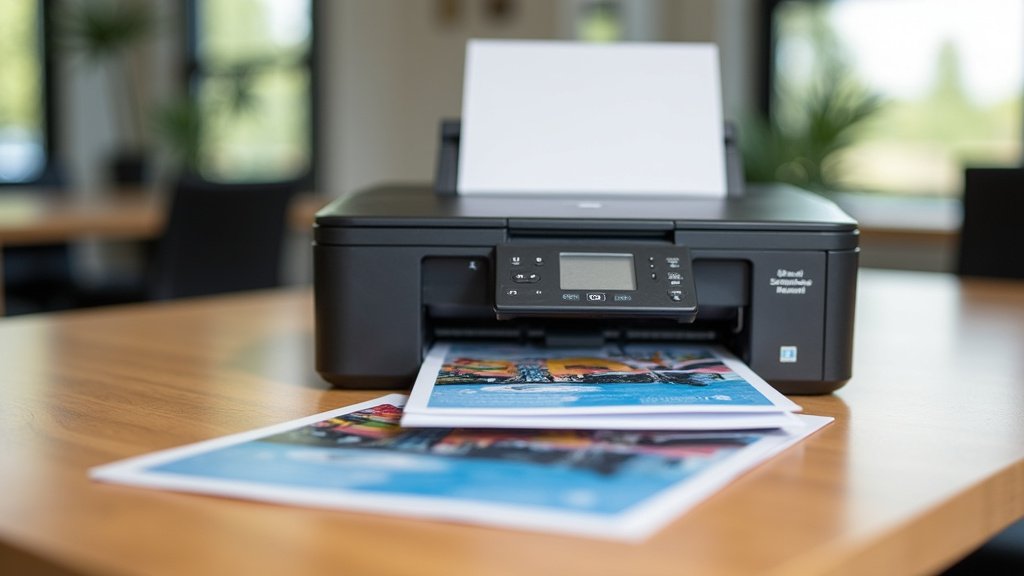
Conclusion
Choosing the best photo paper for your inkjet printer really comes down to your personal preferences and the project at hand. We found that considering the finish (glossy, luster, or matte), paper weight, and your printer’s ink type will guide you to the perfect choice. Don’t be afraid to experiment with different types to see what you like best.
You’ll be amazed at the difference the right paper makes. For your next printing project, try a few different options. You’ll soon discover which paper truly brings your images to life and makes your prints feel genuinely professional.
Frequently Asked Questions
Can I use regular printer paper for photos?
While you technically can, regular printer paper is much thinner and doesn’t have the special coatings needed for vibrant photo inks. Your photos will likely look dull, lack detail, and may bleed. For quality results, always use paper specifically designed for photo printing.
Does my printer brand matter when choosing photo paper?
Your printer brand matters because manufacturers often optimize their own photo papers for their specific ink formulas. While you can use third-party papers, using your printer’s brand of paper often ensures the best color accuracy and longevity. Always check your printer’s manual for recommended paper types.
Is thicker photo paper always better?
Thicker photo paper (higher GSM or lb) generally offers a more professional feel and increased durability. It resists creasing and holds up better over time. However, very thick paper might sometimes cause feeding issues in older or less robust printers. Match the thickness to how the print will be handled and your printer’s capabilities.
What does “archival quality” mean for photo paper?
“Archival quality” indicates that the paper is acid-free and designed to resist fading, yellowing, and degradation over many years. If you want your prints to last for generations without deteriorating, always look for this label. It’s crucial for preserving cherished memories and valuable art prints.
How can I prevent my photo prints from fading over time?
To minimize fading, use archival-quality paper and pigment-based inks if your printer supports them. Store your prints away from direct sunlight and harsh fluorescent lights. Framing them behind UV-protective glass also helps significantly. Proper storage in acid-free albums or boxes will extend their life.
