
What Is Thermal Inkjet Technology?
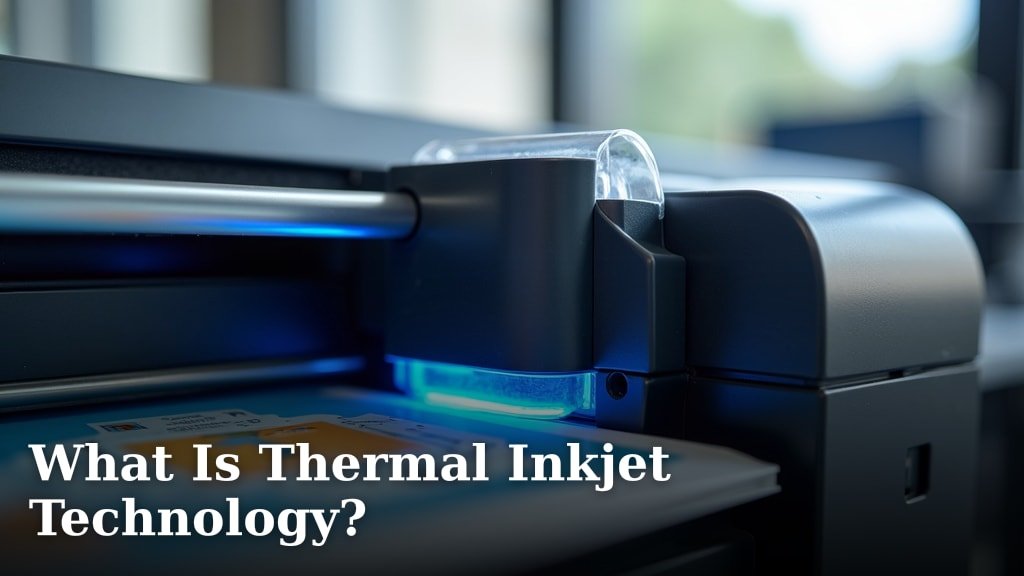
Thermal Inkjet Technology is a printing method that uses heat to create tiny air bubbles. These bubbles then force ink droplets onto a surface. It’s a precise and efficient way to print.
This technology is often found in everyday printers you might use at home or in the office. You’ll also find it in many industrial applications for product coding and marking. It works by quickly heating and cooling small resistors.
- Thermal Inkjet uses heat to push ink.
- It’s common in home and industrial printers.
- Tiny bubbles eject the ink.
- It’s known for speed and clarity.
- Ink dries very fast.
Let’s dive deeper and understand exactly how this clever printing method works and why so many industries choose it.
How Does Thermal Inkjet Printing Actually Work?
Thermal Inkjet (TIJ) is a pretty clever technology. It takes advantage of a simple principle: things expand when they get hot. This expansion is what pushes the ink where you want it to go.
Imagine tiny, microscopic heaters. These heaters are super precise. They are the core of how your printer puts words and images on paper.
The Magic of the Printhead
Inside every Thermal Inkjet printer is a specialized part called the printhead. This is where all the action happens. It’s designed to hold different colors of ink, usually black, cyan, magenta, and yellow.
Each color has its own set of these tiny heaters and nozzles. It’s like having a mini-factory for each color right in your printer. This design allows for vibrant and accurate color reproduction.
Ink Chambers and Resistors
The printhead contains many small chambers, each filled with ink. At the bottom of each chamber is a tiny resistor. Think of it like a miniature electric stove burner. When electricity flows to this resistor, it heats up extremely quickly (Rochester Institute of Technology).
This rapid heating is key. It creates a sudden, controlled change that triggers the ink ejection. The resistor is designed to cool down just as fast, ready for the next drop.
Bubble Formation and Ink Ejection
When the resistor heats up, it creates a small bubble of superheated ink vapor. This bubble forms almost instantly. It expands very fast, building pressure inside the chamber.
This pressure has nowhere to go but out. So, it forces a tiny ink droplet through a microscopic nozzle. The droplet shoots out onto the paper or other surface. It’s an incredibly precise process, happening in a fraction of a second.
Once the ink droplet is ejected, the resistor cools down. The vapor bubble collapses. Fresh ink flows into the chamber, ready for the next cycle. This happens thousands of times per second for each nozzle, allowing for high-speed printing.
Why Choose Thermal Inkjet Technology?
You might wonder, with all the printing options out there, why would you pick TIJ? Well, it offers some compelling advantages. These benefits make it popular for many different uses.
It’s not just about getting ink on paper. It’s about how efficiently and cleanly it gets there. We find that many users appreciate its simplicity and dependability.
Key Advantages of TIJ
When you look at the big picture, TIJ really shines in a few areas. It’s known for being clean, quiet, and user-friendly. These features contribute to a better overall printing experience.
- High print quality: Produces crisp text and vibrant images.
- Fast drying times: Ink dries almost instantly, preventing smudges.
- Low maintenance: Printheads are often disposable, reducing service needs.
- Quiet operation: Nozzles make very little noise as they eject ink.
- Versatility: Can print on various surfaces, not just paper.
- Cost-effective: Often has a lower initial cost for equipment.
Comparing TIJ to Other Printing Methods
You might have heard of other inkjet methods, like Piezoelectric Inkjet. How does TIJ measure up? We’ve put together a small comparison to highlight the differences.
Both have their strengths. Knowing the differences helps you choose the right tool for your specific needs. It’s about finding the best fit for your printing goals.
| Feature | Thermal Inkjet (TIJ) | Piezoelectric Inkjet (PIJ) |
|---|---|---|
| Method of Ink Ejection | Heat creates a vapor bubble. | Electric field deforms a crystal. |
| Printhead Type | Usually disposable, part of the ink cartridge. | Permanent, separate from the ink. |
| Ink Compatibility | Water-based, some solvent inks. | Wider range: water, solvent, UV, oil. |
| Print Speed | Generally faster for consumer use. | Can be very fast for industrial. |
| Droplet Size Control | Good, but less variable. | Excellent, highly variable for fine detail. |
| Cost Effectiveness | Lower initial printer cost. | Higher initial printer cost. |
As you can see, TIJ offers a simpler, often more affordable entry point. It’s a great choice for many common applications.
Where Do We See Thermal Inkjet in Action?
TIJ technology is all around us, even if you don’t always notice it. It’s quietly doing its job in many different environments. From your home office to large production lines, its applications are vast.
Have you ever thought about how expiration dates get onto your food? Or how packages are tracked? Often, it’s a TIJ printer at work.
Everyday Uses for TIJ
Perhaps the most familiar place you encounter TIJ is in your own home or office. These printers are known for being user-friendly and reliable. They make printing documents and photos easy.
- Home office printers: For documents, photos, and general printing.
- Small business printers: Producing invoices, labels, and marketing materials.
- Point-of-sale systems: Printing receipts quickly and quietly.
- Medical record printing: Ensuring clear, legible patient information.
The simplicity of changing cartridges, which often contain a new printhead, means you rarely have to deal with clogs or complex maintenance tasks. That’s a big win for convenience.
Industrial and Commercial Applications
Beyond the desk, TIJ technology scales up to meet demanding industrial needs. Its speed and ability to print on various surfaces make it invaluable for coding and marking products.
Many experts in the packaging industry point to TIJ as a go-to solution for traceability (Packaging World). It’s designed to keep up with fast-moving production lines.
Product Identification and Traceability
Imagine thousands of products moving down a conveyor belt each minute. Each one needs a unique code, date, or a barcode. TIJ excels at this. It applies information quickly and accurately.
This is vital for food and beverage items, pharmaceuticals, and cosmetics. Accurate codes help with inventory management and product recalls. It’s a critical part of modern logistics.
For example, a bread company can print “Best By” dates at very high speeds. A pharmaceutical company can print lot numbers on medication bottles without slowing down production. It’s all thanks to the rapid firing capabilities of TIJ.
Packaging and Labeling
You’ll often see TIJ printers used for printing directly onto packaging materials. This includes boxes, cartons, and plastic films. They can apply graphics, text, and barcodes.
It’s also used for printing labels on demand. This means you can customize labels quickly without needing pre-printed stock. This adaptability offers great flexibility for businesses.
Consider a small business that produces specialty jams. They can instantly print custom labels for each flavor or seasonal offering. This saves time and reduces waste, making the process much more efficient.
What Should You Consider When Using TIJ?
While TIJ offers many benefits, it’s good to know what factors affect its performance. Understanding these can help you get the most out of your printer and ink supplies.
You wouldn’t put diesel in a gasoline car, right? The same idea applies here. Choosing the right components makes all the difference.
Ink Types and Substrates
The type of ink you use is incredibly important. TIJ printers typically use water-based inks. These work very well on porous materials like paper and cardboard.
However, for non-porous surfaces like plastics or metals, you’ll need specialized solvent-based inks. Always check your printer’s specifications to ensure compatibility.
Using the wrong ink can lead to poor adhesion, slow drying times, or even nozzle clogs. It’s a small detail that makes a big impact on your print quality.
Maintenance and Cartridge Life
TIJ systems are known for being low maintenance. The printhead is often integrated directly into the ink cartridge. When you change the cartridge, you effectively get a brand new printhead.
This design helps prevent clogs and keeps print quality high. It also means less fuss for you. Just pop in a new cartridge and you’re good to go.
However, even with this design, proper storage of cartridges is important. Keep them sealed until ready for use to prevent drying out. A little care goes a long way in ensuring consistent performance.
Checklist for Optimal TIJ Performance
To ensure your TIJ setup runs smoothly, keep these quick tips in mind:
- Use only manufacturer-recommended ink cartridges.
- Store spare cartridges in a cool, dark place.
- Clean the printhead nozzles if advised by the printer’s manual.
- Ensure the printing surface is clean and dry.
- Calibrate your printer regularly, if the option is available.
- Avoid exposing cartridges to extreme temperatures.
Following these simple steps can help extend the life of your cartridges and maintain excellent print quality. You’ll get clear, crisp results every time.
Conclusion
You’ve seen how Thermal Inkjet technology uses a clever heat-and-bubble method to deliver precise ink droplets. It’s truly a versatile printing solution, from the printer on your desk to the rapid coding on production lines. Its speed, quality, and low maintenance are clear benefits for many applications.
By understanding TIJ’s mechanics and where it shines, you can make smarter choices for your own printing needs. Consider the ink types, surfaces, and maintenance tips we shared to ensure peak performance. You’re now well-equipped to appreciate and utilize this efficient printing method.
Frequently Asked Questions
What kind of ink does Thermal Inkjet use?
Most TIJ printers use water-based inks, which are great for porous materials like paper and cardboard. For non-porous surfaces such as plastics or metals, specialized solvent-based inks are required. Always check your printer’s compatibility.
Are TIJ printheads reusable?
In many consumer and office TIJ printers, the printhead is built directly into the ink cartridge. This means when you replace the cartridge, you’re also getting a fresh printhead, which helps maintain print quality and reduces clogs.
Can Thermal Inkjet print on curved surfaces?
Yes, TIJ technology can be adapted to print on various surfaces, including slightly curved ones, especially in industrial applications. The non-contact nature of the printing process allows for flexibility with different product shapes and packaging.
Is Thermal Inkjet environmentally friendly?
TIJ can be considered more environmentally friendly than some other printing methods. Many TIJ inks are water-based, containing fewer volatile organic compounds (VOCs). The technology also produces less waste compared to methods that require extensive cleaning procedures.
What’s the typical lifespan of a TIJ cartridge?
The lifespan of a TIJ cartridge varies based on factors like ink volume, printing frequency, and the types of images printed. Industrial cartridges might have higher yields than consumer ones. Proper storage can also help prevent ink from drying out prematurely.
