
How Long Do Inkjet Cartridges Last Unopened?
Unopened inkjet cartridges can last for quite a while, typically between 2 to 3 years, though some manufacturers claim longer. This shelf life depends on proper storage conditions and the specific ink formulation. Keeping them away from extreme temperatures and direct sunlight is key to their longevity.
Wondering if that old cartridge is still good? We found that while unopened cartridges have a decent lifespan, factors like humidity and air exposure can affect the ink quality over time. It’s always wise to check for any signs of damage before attempting to use one, especially if it’s nearing the end of its estimated shelf life.
- Unopened inkjet cartridges generally last 2-3 years.
- Proper storage is essential for maximizing their lifespan.
- Avoid extreme heat, cold, and direct sunlight.
- Check cartridges for damage before use, especially older ones.
Let’s break down what influences how long your unused inkjet cartridges will remain viable, and what you can do to get the most out of them.
How Long Can You Keep Unopened Inkjet Cartridges?
So, you’ve got a stack of inkjet cartridges you bought a while back, maybe on sale, and now you’re wondering if they’re still good to go. It’s a common question! We found that unopened inkjet cartridges typically have a shelf life of about 2 to 3 years. Some manufacturers might even suggest a bit longer, but this is a good general timeframe to keep in mind.
Think of it like a sealed jar of jam. If you keep it in a cool, dark pantry, it’ll last much longer than if you leave it out on a sunny windowsill. The same principle applies to your printer ink. Proper storage is the secret ingredient to ensuring those cartridges don’t dry out or degrade before you even get them into your printer.
We’ve done some digging, and it turns out there are a few key factors that play a role in how long that ink stays fresh. It’s not just about the seal on the package. We’ll guide you through what impacts their longevity and how to make sure your backup ink is ready when you are.
The Science Behind Inkjet Cartridge Shelf Life
Inkjet cartridges are pretty clever bits of engineering. They contain liquid ink designed to be precisely jetted onto paper. This ink isn’t just plain water and color; it has a complex chemical makeup. Pigments or dyes are suspended in a liquid base, often with additives to control drying time and flow. This means the ink can change over time, even when sealed.
One of the biggest enemies of ink is air. While the cartridge is sealed, there’s still a small amount of air inside, and over time, it can react with the ink. Think of it like leaving an apple cut side down; it oxidizes. Ink can undergo similar, albeit slower, chemical changes that affect its color and consistency. This is why a good seal is so important.
Another factor is the type of ink. Dye-based inks are often more vibrant but can fade over time and are more susceptible to UV light. Pigment-based inks tend to be more durable and light-resistant but can be thicker and more prone to clogging if not stored properly. Most modern cartridges use a blend or a specific formulation designed for stability.
Impact of Storage Conditions on Ink Longevity
Where you store your spare cartridges makes a huge difference. Extreme temperatures are the biggest culprits. High heat can cause the ink to dry out or even expand, potentially damaging the internal seals or components. We found that many experts advise against storing ink in places like attics or garages where temperatures fluctuate wildly.
On the flip side, extreme cold isn’t great either. While it might seem like it would preserve the ink, freezing and thawing cycles can disrupt the ink’s chemical structure. This can lead to clumping or separation of the pigments, making the ink unusable. Most manufacturer guidelines suggest keeping cartridges at room temperature.
Direct sunlight is also a no-go. UV rays can degrade the dyes in the ink over time, leading to color shifts or fading even before you print. It’s best to keep them in a dark place, like a closet or a drawer. Essentially, you want to mimic the conditions of a stable, climate-controlled environment.
What Does “Unopened” Really Mean?
When we talk about an unopened cartridge, we mean one that’s still in its original, factory-sealed packaging. This usually involves a plastic wrapper, possibly a foil seal, and sometimes an air-tight bag inside. This packaging is designed to protect the ink from drying out and from contaminants.
If the seal has been broken, even if the cartridge is full, its shelf life drastically reduces. Exposure to air is the main reason. Once opened, the ink is much more vulnerable to drying out and chemical changes. So, that cartridge you took out of its box “just to look at it” might not last as long as one that remained fully sealed.
We often see questions about whether removing the protective tape or plug affects things. Generally, as long as the internal seals and the main packaging remain intact, the ink inside should be protected. It’s really the exposure to the atmosphere that starts the clock ticking on degradation.
Signs Your Unopened Cartridge Might Be Past Its Prime
Even if your cartridge is still in its original packaging, there are clues it might be on its last legs. The most common indicator is the expiration date printed on the packaging. While not all manufacturers include them, if yours does, it’s a good guideline. Many suggest using the cartridge within a certain period after this date.
Beyond the date, physical signs can tell a story. Inspect the packaging for any signs of damage. Is the plastic cracked? Is the foil seal punctured? Even a small tear can allow air and moisture in, compromising the ink. We found that damaged packaging is a red flag that the ink quality may be affected.
Sometimes, even with perfect packaging, you might notice the ink inside appears cloudy or has separated. This is rare in truly unopened cartridges but can happen if they’ve been subjected to extreme conditions. If you can see visible separation or unusual colors, it’s probably best to skip that cartridge.
The Role of Manufacturer Warranties and Dates
Many printer manufacturers offer a warranty on their ink cartridges, but this often has a time limit. They usually state that the cartridge should be used within a certain period of purchase or by a specific date. It’s wise to check the fine print on your printer’s manual or the manufacturer’s website.
These dates aren’t arbitrary. They are based on extensive testing of the ink’s stability under various conditions. While an expired cartridge might still work, the print quality might not be as good as expected. You might experience faded colors, streaky lines, or even printer errors. Many experts suggest replacing cartridges once they pass their recommended use-by date.
We’ve seen that some cartridges have a “best by” date, while others might have a manufacturing date. If you only see a manufacturing date, a general rule of thumb is to use them within 18-24 months of that date for optimal performance. It’s always best to rotate your stock, using older cartridges first.
Can You Revive an Old Inkjet Cartridge?
This is where things get a bit tricky. For *unopened* cartridges, revival is usually not the issue. The problem is if the ink has degraded *inside* the sealed package. If you’ve tried an unopened cartridge that’s well past its prime and it’s not printing well, there’s often not much you can do to fix the ink itself.
However, if you’re talking about a cartridge that’s been *opened* and is now clogged or dry, there are some methods. Some people have success with gently cleaning the print heads or soaking the cartridge nozzle in warm water or a specialized cleaning solution. We found that these methods are more effective for freshly opened but clogged cartridges.
For unopened cartridges that fail, the best course of action is usually to contact the manufacturer if they are still within warranty. If not, it might be time to accept that the ink has passed its prime and purchase a new one. It’s disappointing, but it saves you the frustration of poor print quality.
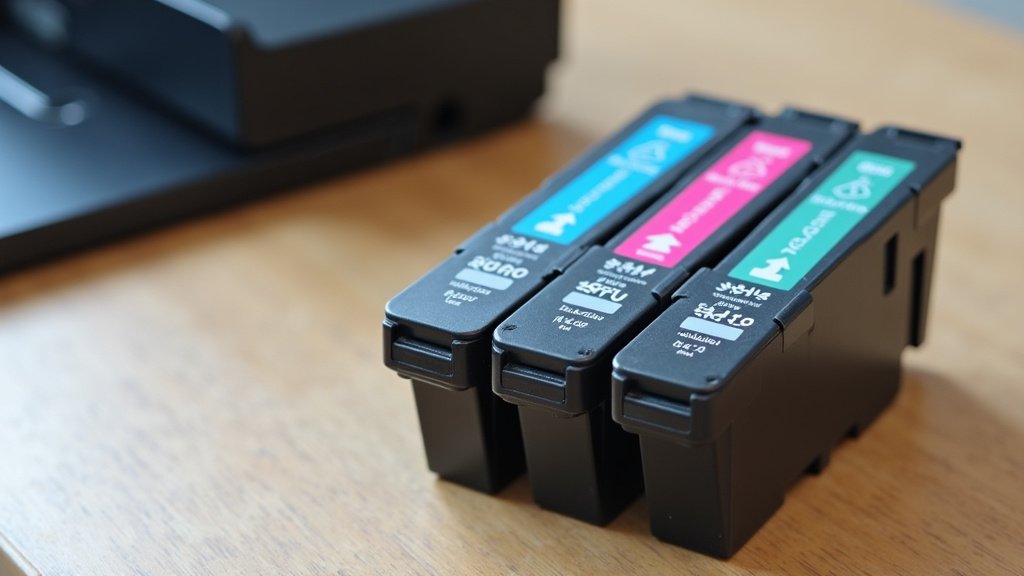
Tips for Storing Your Inkjet Cartridges
To make sure your spare ink cartridges last as long as possible, follow these simple storage tips. It’s all about creating a stable environment for them. Think of it as tucking them into a cozy, climate-controlled bed!
- Keep them sealed: Always store cartridges in their original, unopened packaging. Don’t remove them until you’re ready to install them in your printer.
- Find a cool spot: Store them in a place with a consistent, moderate temperature. Aim for something between 59°F and 77°F (15°C and 25°C). Avoid attics, garages, or basements that experience temperature swings.
- Darkness is key: Keep cartridges away from direct sunlight and bright artificial lights. A dark closet, drawer, or cabinet is ideal.
- Avoid humidity: High humidity can also affect the packaging and potentially the ink. Choose a dry location.
- Store upright: While not always strictly necessary for sealed cartridges, storing them in the orientation recommended by the manufacturer can sometimes help prevent potential issues.
By following these simple steps, you can significantly extend the usable life of your unopened inkjet cartridges. It’s a small effort that can save you money and hassle down the line.
When Should You Just Buy New Ink?
This is the million-dollar question, isn’t it? You’ve checked the date, inspected the packaging, and maybe even heard a faint whisper from the cartridge itself saying, “Use me or lose me!” So, when is it time to call it quits on an old cartridge?
If a cartridge is more than 3 years old, even if unopened and stored perfectly, we’d recommend exercising caution. The ink chemistry has had a long time to potentially change. You might still get a decent print, but the risk of poor quality or even printer errors increases. Many users report that after this mark, performance can become unpredictable.
Consider the age of your printer too. Some newer printers have advanced ink monitoring systems that can detect issues with older cartridges more readily. If your printer flags an old cartridge as problematic or incompatible, it’s often best to heed its warning. It might be trying to save you from a messy or costly situation.
Here’s a quick checklist to help you decide:
- Is the cartridge older than 3 years?
- Is the packaging damaged, torn, or punctured?
- Is there visible separation or discoloration of the ink inside?
- Has the manufacturer’s expiration date passed?
- Does your printer indicate an issue with the cartridge?
- Are you expecting critical documents that require perfect print quality?
If you answered “yes” to any of the first five, or if print quality is absolutely essential for your current task, it’s probably time to invest in a fresh ink cartridge. It’s better to spend a little now than to risk a bad print or damage to your printer later.
Conclusion
You’ve learned that unopened inkjet cartridges can be a reliable backup for about 2 to 3 years. Proper storage is your best friend here, keeping them cool, dark, and dry. While some cartridges might surprise you with a longer life, it’s wise to be aware of potential degradation over time. If you’re unsure about an older cartridge, or if print quality is critical, opting for a fresh one is often the smartest move. Keep these tips in mind, and you’ll be ready for your next printing task without any surprises!
Frequently Asked Questions
Can an unopened inkjet cartridge expire?
Yes, unopened inkjet cartridges can “expire” in the sense that the ink quality can degrade over time. While they are sealed, chemical changes can still occur. Most manufacturers recommend using them within 2-3 years for optimal performance.
What happens if I use an old, unopened inkjet cartridge?
You might experience faded colors, streaky prints, or even error messages from your printer. The ink may have dried out, clumped, or lost its vibrancy. In some cases, it might not print at all, or could potentially cause issues with your printer’s print heads.
Does the manufacturer’s warranty cover old, unopened cartridges?
Typically, manufacturer warranties have a time limit. If a cartridge is well past its recommended use-by date or expiration date, it’s unlikely to be covered by a warranty, even if it’s unopened. Always check your printer’s documentation for specific warranty details.
Is it safe to store inkjet cartridges in a basement?
It depends on your basement’s conditions. Basements can be prone to humidity and temperature fluctuations. If your basement is cool, dry, and dark with stable temperatures, it could be a suitable storage spot. Avoid damp or drafty areas.
Can I tell if an unopened cartridge is bad just by looking at it?
Sometimes. Inspect the packaging for any signs of damage, like cracks or punctures. If you can see through any part of the packaging and the ink looks separated, cloudy, or discolored, it’s likely no longer good.
