
How Long Does Printer Ink Last Once Opened?
Printer ink, once opened, typically lasts about 6 to 18 months. This timeframe can vary greatly depending on the type of ink and how you store it. Don’t let that precious ink dry out before you can use it!
Understanding how long your ink will last is key to avoiding costly replacements and frustrating printing issues. We found that several factors influence ink longevity, including exposure to air and light. Proper storage can make a big difference.
- Opened ink cartridges generally last 6-18 months.
- Storage conditions significantly impact ink life.
- Air and light exposure are the main culprits for drying.
- Check your printer manual for specific recommendations.
Let’s dive into the details and help you get the most out of your printer ink.
Understanding Your Printer Ink’s Shelf Life
So, you’ve opened a new printer ink cartridge. That’s great! You’re ready to get some printing done. But how long will that ink actually last before it starts to give you trouble? We found that opened printer ink cartridges generally have a lifespan of about 6 to 18 months. This isn’t a hard and fast rule, though. Many things can affect how quickly or slowly your ink degrades.
Think of it like leaving a carton of milk out on the counter. It won’t go bad instantly, but it won’t last forever either. The same goes for your ink. Exposure to air and light are the biggest enemies of ink. They can cause it to dry out or clog your printer’s delicate print heads. We’ll look at what causes this and how you can prevent it.
Why Does Ink Go Bad? The Science Simplified
Printer ink is a liquid, and like most liquids, it’s susceptible to evaporation and chemical changes. When you open a cartridge, you break the seal that protected it. This allows air to get in. Air contains oxygen, which can react with the ink’s components. This reaction can alter the ink’s consistency and color.
The pigments or dyes in the ink can also settle over time. This means the ink might not flow as smoothly as it did when it was fresh. If the ink starts to dry out inside the cartridge, it can form small, hard clumps. These clumps are often the culprits behind streaky prints or a complete lack of ink flow. If the ink starts to dry out inside the cartridge, it can form small, hard clumps, often leading to streaky prints.
The Role of Air Exposure
Air is a major factor in ink degradation. When air mixes with the ink, it can cause it to oxidize. This process is similar to how a cut apple turns brown when exposed to air. For ink, oxidation can lead to a loss of vibrancy and color accuracy. We found that prolonged exposure speeds up this process considerably.
Light and Its Impact
Just like air, light can also degrade ink. Direct sunlight, in particular, contains UV rays that can break down the pigments and dyes in the ink. This can cause the colors to fade or shift. Keeping your ink cartridges, both opened and unopened, away from direct light is a smart move. Many experts recommend storing them in a cool, dark place.
Different Ink Types, Different Lifespans
Not all printer ink is created equal. The type of ink your printer uses plays a significant role in its longevity. You’ll typically find two main types: dye-based and pigment-based. Each has its own set of characteristics and shelf lives.
Dye-Based Inks
Dye-based inks use colorants that are dissolved in a liquid. They tend to produce very vibrant colors and are often used for printing photos. However, dye-based inks are more prone to fading over time, especially when exposed to light. When opened, we found they might have a slightly shorter lifespan than pigment inks, often closer to the 6-12 month mark if not stored properly.
Pigment-Based Inks
Pigment-based inks use solid particles suspended in a liquid. These particles are more stable than dyes. This makes pigment inks more resistant to fading from light and water. They are often preferred for documents and graphics that need to last. Opened pigment-based inks tend to have a longer shelf life, sometimes reaching up to 18 months or even longer with excellent storage.
Ink Tank Systems (CISS) vs. Cartridges
Printers with ink tank systems, also known as Continuous Ink Supply Systems (CISS), work a bit differently. Instead of individual cartridges, they have large, refillable tanks. While the ink in these tanks can still degrade, the larger volume might mean a slower rate of drying compared to small cartridges. However, if the printer isn’t used regularly, the ink in the tubes and print heads can still dry out. We found that regular printing is key for these systems.
Factors That Influence Ink Longevity
Beyond the type of ink, several other environmental and usage factors impact how long your opened ink lasts. Understanding these can help you make better decisions about how you store and use your ink.
Storage Conditions: The Golden Rules
Where and how you store your opened ink cartridges makes a huge difference. Temperature and humidity play surprisingly large roles. We found that consistent, moderate conditions are best.
Temperature Matters
Extreme temperatures are bad for ink. Storing ink in a very hot place, like a sunny windowsill or a hot car, can cause the liquid to expand or even evaporate faster. Conversely, extreme cold can also affect the ink’s consistency. Many printer manufacturers recommend storing ink at room temperature, generally between 50°F and 80°F (10°C and 27°C). Keeping it consistent is key.
Humidity Control
High humidity can introduce moisture into the ink, potentially leading to clumping or affecting print quality. Very dry conditions can also accelerate the drying process. Finding a stable environment with moderate humidity is ideal. Think of a closet or a desk drawer – a place that’s typically stable.
Orientation is Important
How you store the cartridge vertically or horizontally can also matter. Most manufacturers recommend storing ink cartridges upright, with the print head facing down if possible. This helps prevent the ink from settling unevenly or drying out the print head. Always refer to your printer’s manual for specific storage recommendations.
Printing Habits: The More You Print, The Better?
This might sound counterintuitive, but regular printing actually helps keep your ink fresh. When you print frequently, you keep the ink flowing through the print head. This prevents it from drying out and clogging the tiny nozzles.
If you only print once every few months, you’re much more likely to encounter problems. The ink can dry in the print head, leading to streaks, missing colors, or the printer simply not printing at all. We found that even printing a single page once a week can make a big difference in maintaining ink health.
The “Printer In Use” Dilemma
Many modern printers have automatic cleaning cycles. These cycles help keep the print heads clear, but they also use a small amount of ink. If your printer is constantly going through these cycles because it’s being turned on and off frequently, it can consume ink faster, even if you’re not actively printing. Some experts suggest leaving your printer powered on, but in sleep mode, to reduce these internal cleanings.
Printer Technology and Ink Delivery
The way your printer delivers ink to the paper also plays a part. Some printers have integrated print heads, meaning the print head is part of the ink cartridge. When you replace the cartridge, you get a new print head. Other printers have a fixed print head that’s part of the machine itself. In these cases, the ink cartridges are simply reservoirs.
If your printer has a fixed print head, it’s even more critical to keep that ink flowing. A clogged fixed print head can be a very expensive problem to fix. We found that printers with integrated print heads might be slightly more forgiving of infrequent use, as a new cartridge brings a new print head.
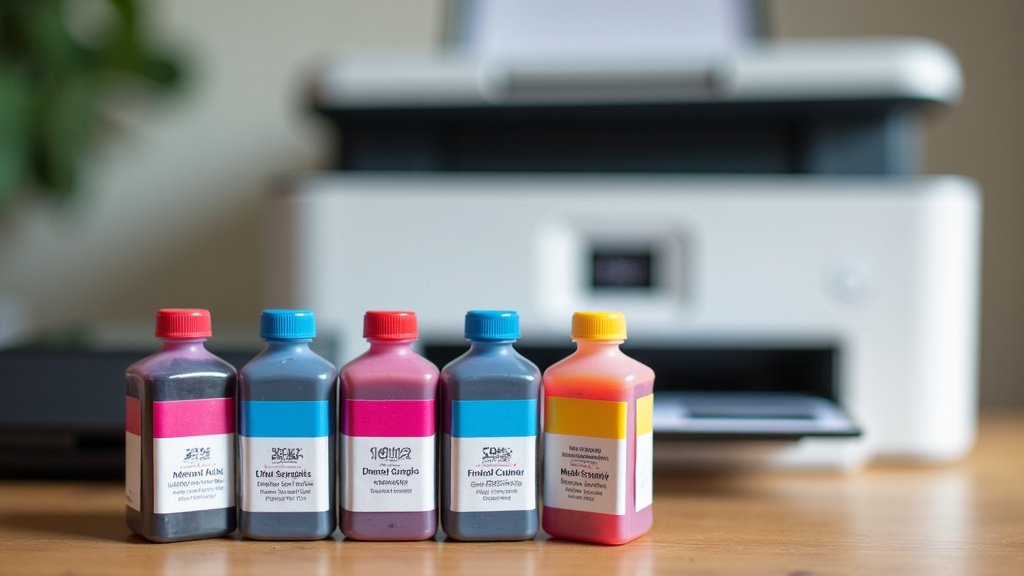
Tips for Maximizing Your Ink’s Lifespan
You’ve invested in your printer and ink, so you want to make it last. Luckily, there are several simple steps you can take to ensure your opened ink cartridges serve you well for as long as possible.
Proper Storage Practices Checklist
Here’s a quick rundown of the best ways to store your ink:
- Keep it cool: Store ink at room temperature, avoiding extremes.
- Keep it dark: Shield cartridges from direct sunlight and bright lights.
- Keep it sealed: Ensure any original packaging or seals are intact when not in use.
- Keep it upright: Store cartridges vertically, if possible, with the print head down.
- Keep it stable: Avoid areas with drastic temperature or humidity changes.
Print Regularly, Even Small Jobs
We can’t stress this enough: print something regularly! Even if it’s just a quick test page or a short document, printing helps keep the ink fluid. Aim for at least one print job per week. This simple habit is one of the most effective ways to prevent ink from drying out.
Use the Right Ink for Your Printer
Always use the ink cartridges recommended by your printer manufacturer. Off-brand or compatible inks might seem cheaper, but they can sometimes cause compatibility issues or print quality problems. We found that sticking to genuine ink often ensures the best performance and longevity.
Turn Off Your Printer Correctly
When you turn off your printer, use the power button on the machine itself. This allows the printer to go through its proper shutdown sequence, which often includes capping the print heads to prevent drying. Just unplugging it can leave the print heads exposed.
Handle Ink Cartridges with Care
When you replace an ink cartridge, try to do it quickly. Minimize the time your printer is without ink, especially if it has a fixed print head. Also, avoid touching the print head or the electrical contacts on the cartridge. Fingerprints can cause connection issues or interfere with ink flow.
When in Doubt, Check Your Manual
Every printer is a bit different. Your printer’s user manual is an excellent resource for specific information about ink storage, maintenance, and expected lifespan. We found that referring to it can often solve many common ink-related problems.
Conclusion
You’ve learned that opened printer ink generally lasts 6 to 18 months, but it’s not a set-in-stone number. Factors like ink type, exposure to air and light, and storage conditions play a big role. Regular printing is your best friend for keeping ink flowing and heads clear. By following simple storage tips and printing habits, you can prevent premature drying and costly replacements.
Your next step? Take a moment to assess your current ink storage. Make sure it’s cool, dark, and stable. Then, commit to printing at least once a week to keep your ink in prime condition!
Frequently Asked Questions
How can I tell if my printer ink has gone bad?
You’ll likely notice issues like faded colors, streaky prints, or the printer not recognizing the ink at all. If you see dried clumps of ink on the print head or in the cartridge, that’s another clear sign it has dried out and is no longer usable. You’ll likely notice issues like faded colors, streaky prints, or the printer not recognizing the ink at all if it has dried out.
Can I store opened ink cartridges in the refrigerator?
While a cool place is good, the refrigerator isn’t ideal. Extreme cold can alter the ink’s consistency, and the humidity inside a fridge can introduce unwanted moisture. Room temperature, away from heat and direct light, is generally the best bet.
Does leaving the printer on all the time help keep the ink fresh?
Leaving your printer in sleep mode can be beneficial. It helps keep the print heads from drying out by allowing the printer to perform occasional maintenance cycles without a full power-up. However, constantly turning it fully on and off can actually use up ink.
What happens if I use an expired ink cartridge?
Using an expired or dried-out ink cartridge often results in poor print quality, such as streaks or missing colors. In some cases, dried ink can clog your printer’s delicate print heads, potentially leading to more expensive repairs or even damage to the printer itself.
Are pigment-based inks really better for longevity than dye-based inks?
Yes, pigment-based inks generally last longer once opened compared to dye-based inks. The solid particles in pigment inks are more stable, making them more resistant to fading and drying out. They are often a better choice if you print infrequently and need your documents to last.
