
What Is Piezoelectric Inkjet Printing?
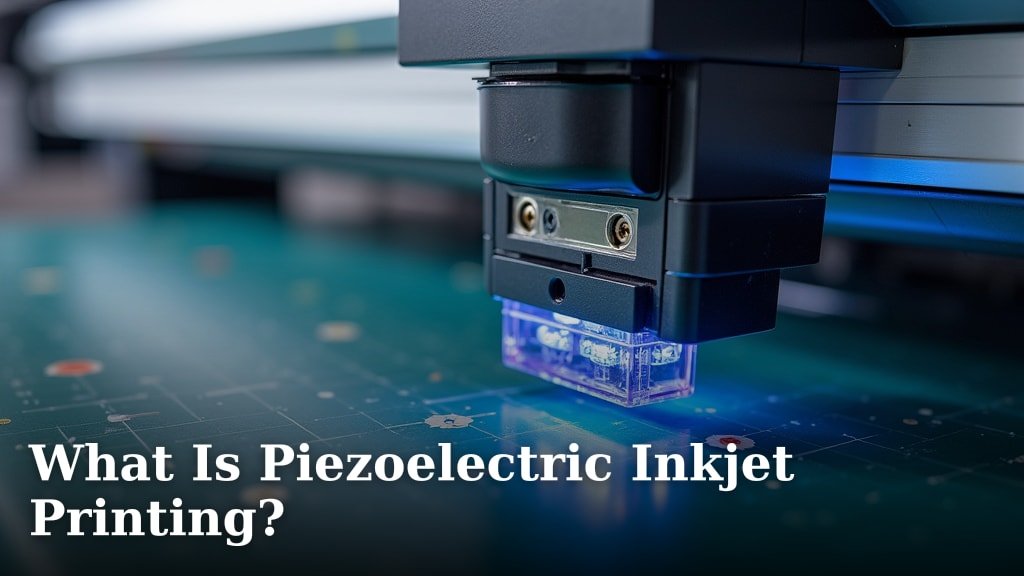
Piezoelectric inkjet printing is a printing method where tiny electrical charges make ink droplets form. It uses special crystals that change shape when hit with electricity. This pushes ink out of a nozzle, creating print on many surfaces.
This technology is really versatile. We found it’s especially good for printing on items that can’t handle heat, unlike other printing methods. You’ll often see it used for things like labels, textiles, and even electronics.
- Piezoelectric printing uses electricity to move ink.
- It works with heat-sensitive materials.
- The process involves special crystals changing shape.
- You’ll find it in specialized printing tasks.
- It offers accuracy and control.
Ready to dive deeper into how this cool printing process works? Let’s break down the science behind piezoelectric inkjet printing.
Understanding Piezoelectric Inkjet Technology
Piezoelectric inkjet printing is a fascinating process that uses clever physics to put ink on paper, or almost anything else. It relies on special materials that move when electricity hits them.
This method offers incredible control and precision. Unlike other printing types, it doesn’t use heat to push ink. This opens up a world of possibilities for what you can print on.
The Core Mechanism: How it Works
At its heart, piezoelectric printing is about controlled movement. You might think of it as tiny, electrical hammers pushing out ink drops. But it’s much more subtle than that.
The system uses a component called a piezoelectric transducer. This tiny device changes shape when an electrical charge is applied. We found this is the key to its success.
The Role of Piezoelectric Crystals
These crystals are like tiny, responsive muscles. When an electrical pulse arrives, they quickly flex or vibrate. This movement is very precise and repeatable.
Think of it like tapping a drum. The crystal taps on a tiny ink chamber. This pressure then sends a minuscule ink droplet on its way. It’s a very elegant solution.
The Ink Droplet Formation
When the crystal flexes, it creates a pressure wave inside the ink chamber. This wave forces a tiny drop of ink out of the nozzle. It’s like squeezing a really fine tube of toothpaste.
The size and speed of the droplet are carefully controlled. This precision allows for incredibly detailed images. You get crisp lines and vibrant colors every time.
Key Components of a Piezoelectric Printer
To make this happen, several parts work together in harmony. Each component plays a vital role in delivering that perfect print.
- Print Head: This is the brain of the operation, holding all the tiny nozzles.
- Piezoelectric Transducers: These are the crystal “muscles” we talked about.
- Ink Reservoirs: Where the ink is stored, ready for use.
- Nozzles: The tiny openings through which ink droplets are ejected.
- Control Electronics: The smart part that tells everything what to do.
The Print Head Design
The print head houses hundreds, sometimes thousands, of tiny nozzles. Each nozzle has its own piezoelectric transducer ready to fire. We found this design allows for very fast printing.
The nozzles are typically very small, often smaller than a human hair. This small size helps create high-resolution prints. It’s amazing how much detail can come from such tiny parts.
Ink Delivery System
Ink flows from large reservoirs to the print head. A constant and steady supply of ink is essential. Any interruption could affect print quality.
The system ensures the right amount of ink is always available. This prevents clogs and helps maintain consistent results. It’s a carefully balanced operation.
Advantages of Piezoelectric Inkjet Printing
Why choose this method over others? Well, it offers some pretty significant benefits. You’ll find it excels in certain areas where other methods fall short.
One major plus is its ability to handle a wider range of inks. Because it doesn’t use heat, you can use inks with different properties, like those with pigments or specialized chemicals.
Versatility with Materials
Since no heat is involved, you can print on things that would melt or warp with other printers. This includes thin plastics, delicate fabrics, and even certain electronics.
Imagine printing directly onto your phone case or a personalized T-shirt. Piezoelectric technology makes this easy. This broad material compatibility is a huge selling point, many experts say.
Precision and Image Quality
The exact control over droplet size means super sharp images. You can achieve very fine details and smooth color gradients. This is critical for high-end graphics and photos.
We found that many users appreciate the consistent quality. Every print looks as good as the last. This reliability builds confidence in the technology.
Here’s a quick look at some benefits:
- Prints on heat-sensitive materials.
- Offers high resolution and precision.
- Can use a wider variety of specialized inks.
- Less chance of print head clogging due to heat.
- More energy efficient than thermal inkjet.
Comparing Piezoelectric vs. Thermal Inkjet
You might wonder how this differs from other inkjet printers you know. The biggest difference lies in how they create ink droplets. We often compare it to thermal inkjet, a common alternative.
Thermal inkjet uses heat to boil a tiny bubble of ink. This bubble expands, pushing out a droplet. It’s very simple but has some limitations.
| Feature | Piezoelectric Inkjet | Thermal Inkjet |
|---|---|---|
| Droplet Ejection | Tiny crystal ‘flexes’ under electricity | Heats ink to create a bubble |
| Heat Use | None | High heat required |
| Ink Compatibility | Wide range (pigment, solvent, UV) | Limited (water-based dyes) |
| Print Head Life | Generally longer | Can be shorter (heat stress) |
| Material Versatility | High (heat-sensitive materials) | Lower (risk of heat damage) |
Why No Heat Matters
The absence of heat in piezoelectric printing is a game-changer. It means the ink isn’t exposed to high temperatures. This keeps its properties stable and extends the life of the print head.
Imagine trying to print a delicate circuit board using a printer that boils its ink. Not a good idea! Piezoelectric avoids these problems entirely.
Applications of Piezoelectric Inkjet Printing
So, where do you see this technology in action? It’s everywhere, sometimes in places you wouldn’t expect. Its strengths make it perfect for niche and specialized uses.
You’ll find it in industrial settings, creating everything from product labels to large-format displays. It’s the go-to for many challenging printing tasks.
Industrial and Commercial Uses
We’ve seen piezoelectric printers used for textile printing, creating vibrant designs on fabrics without damaging the material. They’re also key in signage and advertising.
Another big area is printing on packaging materials. Think about those crisp, detailed labels on your favorite food products. That’s often piezoelectric at work.
Emerging Technologies and Niche Markets
This tech is also at the forefront of 3D printing and printed electronics. Imagine printing conductive circuits directly onto a surface! It’s happening now.
We’re also seeing it in medical applications, like printing biological materials. The precision and low-heat operation are ideal for these sensitive uses (National Institutes of Health).
Maintenance and Longevity
Like any advanced machinery, piezoelectric printers benefit from proper care. Keeping them in good shape ensures they continue to produce incredible results.
Regular print head cleaning is important. This prevents ink from drying and clogging the tiny nozzles. It’s a simple step that goes a long way.
Many experts suggest using only high-quality, compatible inks. This helps prevent damage and ensures color accuracy over time. Think of it as giving your printer the best fuel.
Here’s a quick checklist for maintaining your piezoelectric printer:
- Always use recommended inks.
- Perform regular cleaning cycles.
- Store the printer in a controlled environment.
- Replace worn-out parts as advised.
- Keep software and drivers updated.
The Future of Piezoelectric Printing
What’s next for this incredible technology? We see a bright future with even more innovation. The ability to print with precision without heat is becoming increasingly valuable.
Expect to see it play a larger role in manufacturing. From custom product creation to wearable tech, its versatility will continue to open new doors.
Conclusion
Piezoelectric inkjet printing truly stands out for its precision and versatility. You’ve seen how it uses clever crystal movements, not heat, to create ink droplets. This allows you to print on delicate and heat-sensitive materials, opening up a world of possibilities for what you can create.
This technology delivers sharp images and can handle many specialized inks. We found it’s a brilliant choice for industrial uses, printed electronics, and even medical applications. If you’re considering advanced printing solutions, explore what piezoelectric options can do for you.
Frequently Asked Questions
Is piezoelectric printing only for industrial use?
While often used in industrial settings for its precision and material versatility, piezoelectric printing technology is also found in specialized consumer and small business printers. It’s great for detailed graphics and custom fabric printing at any scale.
What kind of inks can piezoelectric printers use?
Piezoelectric printers can handle a wide variety of ink types. This includes UV-curable, solvent-based, and pigment inks, in addition to standard water-based options. The absence of heat means the ink’s properties remain stable.
Are piezoelectric printers more expensive than thermal inkjet printers?
Generally, piezoelectric printers can have a higher initial cost due to their advanced technology and durable print heads. However, their longer print head life and ability to use more affordable bulk inks can lead to lower operating costs over time.
Do print heads clog often in piezoelectric printers?
Print head clogging is less common in piezoelectric printers compared to thermal models. This is because they don’t subject ink to high heat, which can cause it to dry or solidify inside the nozzles. Regular maintenance, such as cleaning cycles, prevents issues.
Can piezoelectric printers print on curved surfaces?
Yes, piezoelectric inkjet technology is well-suited for printing on various non-flat and curved surfaces. Its precise droplet control and non-contact printing method make it ideal for direct-to-object printing across different shapes and textures.
