8 Best Printers for Fabric Printing (November 2026)
The best printers for fabric printing include the Johnson Plastics Plus Epson SureColor F170 Dye-Sublimation Printer. for a sublimation starter kit, the Johnson Plastics Plus Epson SureColor F170 Dye-Sublimation Printer for a compact sublimation setup, and the xTool M2 10W Color Craft Laser Engraver for mixed craft materials.
On this page (5 sections)
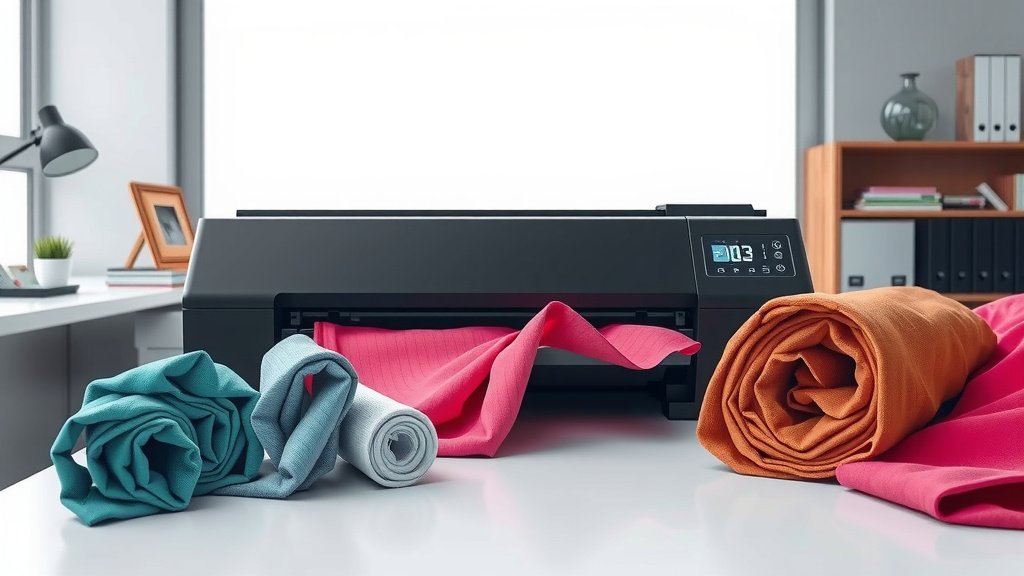
The best printer for fabric printing depends on the material and transfer method. For flat artwork, use an inkjet with printable fabric sheets; for polyester gifts, consider sublimation; and for designs across cotton, denim or canvas, compare a DTF printer.
Fabric printing can mean printing on a sheet that feeds through a normal inkjet, printing a transfer that moves onto fabric with heat, or using a craft machine that combines printing with cutting or engraving. Those workflows need different supplies, so match the printer to the finished item before buying.
For hard-surface decals, compare printers for printable vinyl stickers.
If you're new to the process, start with our guide to How to Print on Fabric with an Inkjet Printer? or the shorter How To Print On Fabric With Inkjet Printer?. The right method depends on whether the fabric itself goes through the printer or receives a transfer afterward.
Our picks at a glance
-
1
 Best for a sublimation starter kit
Johnson Plastics Plus Epson SureColor F170 Dye-Sublimation Printer.
9.7/10 our score
See it on Amazon -
2
 Best for a compact sublimation setup
Johnson Plastics Plus Epson SureColor F170 Dye-Sublimation Printer
9.6/10 our score
See it on Amazon -
3
 Best for mixed craft materials
xTool M2 10W Color Craft Laser Engraver
9.5/10 our score
See it on Amazon
- 4
 Check it
Yncotte 10Pcs Fabric Print Sheets for Inkjet
Best for flat fabric artwork - 5
 Best for app-led craft designsCheck it
- 6
 Check it
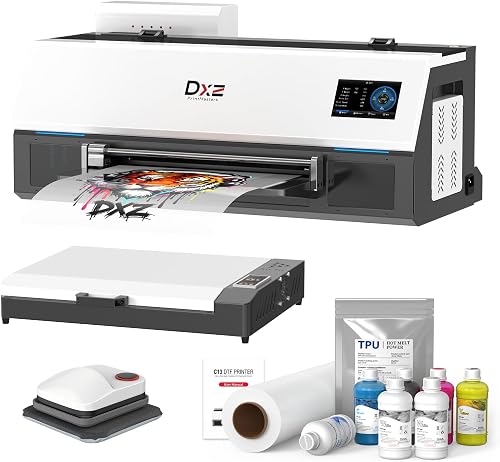
DXZ A3 Plus F1080 DTF Printer 2X
Best for a bundled DTF workspace - 7
 Check it
Procolored K13 Lite DTF Printer
Best for varied fabric transfers - 8
 Check it
PUNEHOD R1390 DTF Printer with Oven
Best for a roll-film DTF workflow
Which printer is best for fabric printing?
The best printer for fabric printing varies by workflow: the Epson F170 models are for sublimation transfers, Yncotte sheets pair with a standard inkjet, and the DTF picks target a wider range of textiles. We compared the stated methods, included supplies and fabric uses to match each option to a clear project.
Our score weighs features and fit against what you're shopping for.
| Product | Best for | Print method | Paper capacity | Included supplies | Our score |
|---|---|---|---|---|---|
| Johnson Plastics Plus Epson SureColor F170 Dye-Sublimation Printer. | a sublimation starter kit | Dye-sublimation | 150 sheets | Ink, paper, starter kit, thermal tape | 9.7 |
| Johnson Plastics Plus Epson SureColor F170 Dye-Sublimation Printer | a compact sublimation setup | Dye-sublimation | 150 sheets | Ink, user guide, power cable | 9.6 |
| xTool M2 10W Color Craft Laser Engraver | mixed craft materials | CMYK inkjet module with laser craft functions | 9.5 | ||
| Yncotte 10Pcs Fabric Print Sheets for Inkjet | flat fabric artwork | Inkjet on printable fabric sheets | 9.3 | ||
| Brother Sublimation Printer | app-led craft designs | Dye-sublimation transfer | 9.0 | ||
| DXZ A3 Plus F1080 DTF Printer 2X | a bundled DTF workspace | Direct-to-film (DTF) | 8.5 | ||
| Procolored K13 Lite DTF Printer | varied fabric transfers | Direct-to-film (DTF) | 8.3 | ||
| PUNEHOD R1390 DTF Printer with Oven | a roll-film DTF workflow | Direct-to-film (DTF) | 7.7 |
Best printers for fabric printing by project
The picks below are ordered by score, but the highest score is not automatically the right choice for every fabric. Check the method, material and extra equipment each project needs.
Johnson Plastics Plus Epson SureColor F170 Dye-Sublimation Printer.: Best for a sublimation starter kit
- Genuine Epson sublimation ink
- 150-sheet auto-feed tray
- Includes sublimation paper and thermal tape
- Mac and Windows setup
This F170 bundle pairs Epson sublimation ink with paper, thermal tape and starter items. It suits transfers onto polyester or polymer-coated goods, rather than direct printing on untreated cotton.
Pros
- Sublimation ink and starter supplies included
- Closed 150-sheet tray
- Compact design
Cons
- Requires compatible transfer materials and heat pressing
- Mobile device connection is not supported
The SureColor F170 bundle is a ready-to-start option for sublimation transfers. It includes genuine Epson sublimation ink, sublimation paper in 8.5 x 11 in and 8.5 x 14 in sizes, thermal tape and starter items.
The printer has a 150-sheet auto-feed tray in a compact body, with setup for MacOS and Windows. Epson's sublimation ink is certified to ECO PASSPORT by OEKO-TEX, a textile-industry safety standard described by Epson.
Sublimation works best on polyester or polymer-coated surfaces because heat transfers the ink into the material. It is not the direct-print choice for untreated cotton, and you'll need a heat press for the transfer step.
Choose this bundle if you'd like paper and tape included with the printer. If you already have those supplies, the other F170 bundle below focuses on the printer, ink, guide and cable.
Johnson Plastics Plus Epson SureColor F170 Dye-Sublimation Printer: Best for a compact sublimation setup
- Genuine Epson sublimation ink
- 150-sheet auto-feed tray
- Mac and Windows setup
- Compact design
This F170 bundle includes Epson sublimation ink and a 150-sheet tray in a compact printer. Choose it for transfer projects when you already have compatible paper and other pressing supplies.
Pros
- Genuine sublimation ink included
- 150-sheet closed tray
- Mac and Windows setup
Cons
- Mobile device connection is not supported
- Needs sublimation paper and a heat press for transfers
This F170 bundle suits a compact sublimation setup when you have your own transfer paper and tape. It includes genuine Epson sublimation ink, a user guide and power cable, along with the printer's 150-sheet tray.
Its workflow also targets sublimation projects such as apparel, mugs and mousepads. The printer supports Mac and Windows, while mobile device connections are not supported.
The key buying difference from the first F170 pick is the included starter material. Both use the same printer model and ink type, so choose between them based on whether the included paper, thermal tape and starter kit would help your workspace.
Neither option prints a permanent design directly onto untreated fabric. For a washable apparel project, compare DTF or a suitable transfer material and follow the full pressing instructions.
xTool M2 10W Color Craft Laser Engraver: Best for mixed craft materials
- CMYK inkjet module and laser in one machine
- Dual cameras
- Print-to-cut workflow
- Works with fabric, felt and leather
The M2 combines a CMYK inkjet module with laser crafting functions for projects involving fabric, felt, leather and other materials. It makes the most sense when print-to-cut and engraving functions are also useful.
Pros
- Inkjet printing and laser functions in one machine
- Dual-camera workspace preview
- Supports a range of craft materials
Cons
- A craft machine rather than a dedicated textile printer
- Laser functions may be unnecessary for simple fabric prints
The xTool M2 is a craft machine for buyers who want printing alongside cutting or engraving. Its CMYK inkjet module works with felt, leather, fabric, paper and other listed materials, while its laser functions cover cutting and engraving tasks.
Dual cameras provide a workspace preview, and the machine supports a print-to-cut workflow. That combination may help when you make personalized craft pieces that need both a printed image and a cut or engraved detail.
This is not a dedicated garment printer or a direct-to-fabric apparel transfer system. For shirt transfers, see printable vinyl for shirts.
Consider the M2 if its other craft functions matter to you; for shirts and bags, a sublimation or DTF workflow is a closer fit.
Yncotte 10Pcs Fabric Print Sheets for Inkjet: Best for flat fabric artwork
- 10 printable fabric sheets
- 8.5 x 11 in
- Glossy print side
- Not machine washable
These sheets let a compatible inkjet print photos, artwork or sketches on a fabric surface. They are meant for display and handling projects, not machine-washable sewn goods.
Pros
- Works with inkjet printers
- Standard 8.5 x 11 in sheet size
- Tear-resistant fabric material
Cons
- Not machine washable
- Not suitable for sewing or quilting
Yncotte's printable fabric sheets are the simplest path here for flat artwork from an inkjet printer. The pack has 10 sheets sized 8.5 x 11 in, and the glossy side is the print side.
The sheets are described as tear-resistant and suitable for photos, artwork and sketches. Their limits matter: they are not machine washable and are not suitable for sewing or quilting.
Use them for framed art, keepsakes or other projects where the fabric print will be handled gently. If the finished piece needs to go through the wash or be stitched into an item, choose a material made for that use.
Brother Sublimation Printer: Best for app-led craft designs
- Works with the Artspira app
- Over 100 sublimation designs available in the app
- Genuine Brother sublimation ink included
- Heat press required
The Brother printer uses Artspira for creating or selecting designs, then prints them for heat transfer. It fits app-led projects on polyester or polymer-coated items, with a heat press needed separately.
Pros
- Artspira includes designs and image tools
- Genuine sublimation ink included
- Can support clothing and bag projects
Cons
- Heat press is a separate purchase
- Intended for use in the United States at 120 volts
The Brother sublimation printer suits app-led DIY projects on polyester or polymer-coated goods. Artspira provides designs and image tools, and the workflow is to create or select a design, print it, then use a heat press to transfer it.
Brother includes genuine sublimation ink and a starter pack of sublimation paper. The heat press is a separate purchase, so account for that equipment and the space to use it.
The app-led approach can be convenient if you want to work from a phone or tablet. Brother says the printer is intended for sale and use in the United States at 120 volts, so buyers elsewhere should check compatibility and warranty terms before ordering.
DXZ A3 Plus F1080 DTF Printer 2X: Best for a bundled DTF workspace
- A3 DTF printer package
- Powder shaker and dryer
- White ink circulation
- Includes film, ink and powder
This A3 DTF package includes a powder shaker and dryer, plus film, ink and powder. DTF prints transfer designs to fabric, making this a candidate for apparel work when you have room for the full setup.
Pros
- Includes powder shaker and dryer
- White ink circulation system
- A3 format
Cons
- Large, specialized setup for textile transfers
- Requires a computer-based workflow
The DXZ A3 DTF package suits apparel work that needs a bundled transfer station. It includes a printer, powder shaker and dryer, transfer film, ink and DTF powder, with a stated A3 format.
DTF prints a design onto film, applies powder and cures the transfer before it is pressed onto fabric. The included equipment is more involved than an inkjet sheet or compact sublimation setup, so plan for a dedicated workspace and learn the full process before taking orders.
Its white ink circulation system is intended to help keep the ink moving. The package also includes a precision cutter, but check your computer and software needs to make sure the setup fits your workflow.
Procolored K13 Lite DTF Printer: Best for varied fabric transfers
- 13 in A3 print area
- White ink circulation
- Automatic cleaning
- Supports cotton, polyester, denim and canvas
The K13 Lite is a 13 in DTF printer for making transfers intended for fabrics such as cotton, polyester, denim and canvas. White ink circulation and automatic cleaning are useful features to consider for ongoing printer care.
Pros
- Supports several fabric types
- White ink circulation
- Automatic cleaning
Cons
- Specialized DTF setup
- Needs film and transfer supplies
The Procolored K13 Lite is a DTF option for transfers across several fabric types. Its 13 in A3 print area is designed for projects involving cotton, polyester, denim, canvas and other fabrics.
Automatic cleaning and white ink circulation are part of its maintenance approach. Procolored also describes a touchscreen workflow and software with color profiles, which may suit repeat projects where you want consistent setup.
DTF requires film, powder and a heat transfer step, so it calls for more supplies and process knowledge than printable fabric sheets. This option fits a regular apparel workflow better than occasional photo art.
PUNEHOD R1390 DTF Printer with Oven: Best for a roll-film DTF workflow
- 13 in print width
- Detachable reel for PET film up to 100 m
- White ink circulation and stirring
- Includes A3 oven
The R1390 combines a DTF printer with an A3 oven and detachable reel for PET film up to 100 m. It suits buyers planning repeated apparel transfers and a dedicated work area.
Pros
- Detachable reel supports long PET film
- White ink circulation and stirring
- Includes oven, ink, powder and film
Cons
- Large 90 lb setup
- Requires DTF film, powder and heat transfer steps
The PUNEHOD R1390 is a larger DTF setup for repeated film-based transfers. Its detachable reel supports PET film up to 100 m, and the package includes an A3 oven, ink, powder and film.
White ink circulation, stirring and automatic cleaning are included to support the printer's ink workflow. The 90 lb weight and 13 in width point to a dedicated work area rather than a small craft desk.
Choose it if the roll-film arrangement fits your production plans and you can handle the setup and maintenance. For occasional projects, printable sheets or a smaller transfer workflow may be easier to manage.
Which fabric printing method should you choose?
Choose inkjet fabric sheets for flat artwork, sublimation for compatible polyester or coated items, and DTF when you need transfers for varied fabrics. These methods differ in what goes through the printer and what happens after printing.
Is an inkjet printer for fabric printing enough?
An inkjet printer can be enough when you print onto sheets made for inkjet use and the finished project does not need washing or sewing. Yncotte's sheets are glossy-side print media, but they are explicitly not machine washable.
For labels and small textile pieces, see our Top 7 Best Inkjet Printer For Printing Stickers and What Printer Is Best for Printing on Sticker Paper? guides for adjacent printable-material workflows. Sticker paper is different from fabric sheets, so check that the media matches your project.
When does sublimation make sense?
Sublimation makes sense for designs transferred by heat onto polyester or polymer-coated products. It can suit shirts, bags and accessories made from compatible materials, but it is not the right process for untreated cotton.
For shirt projects, compare screen and digital printing methods before choosing a workflow. For artwork dimensions, see the t-shirt design file size guide.
Plan for sublimation paper and a heat press, as well as a fabric or coated surface made for the method. For a broader look at inkjet transfers, read How to Print on Fabric with an Inkjet Printer?.
When should you consider DTF?
DTF is worth considering when you want to transfer designs onto a range of fabrics, including cotton, polyester, denim or canvas. The printer produces a film transfer, so the workflow also uses film, powder and heat.
A DTF system takes more space and upkeep than an inkjet printer with printable sheets. Compare the included equipment, transfer width and maintenance features before choosing one for frequent apparel work.
What should you check before buying a fabric printer?
Check the fabric type, print method, finished item's care needs and the supplies included before choosing a fabric printer. Those details determine whether the design will print directly on a sheet, transfer with heat or require a specialized DTF process.
- Material compatibility: Match the method to cotton, polyester, coated goods or printable fabric sheets.
- Washability: Confirm whether the media and transfer are intended to handle washing.
- Extra equipment: Sublimation and DTF workflows require heat transfer equipment; DTF also uses film and powder.
- Workspace: Consider the footprint and weight of a printer, oven or shaker before setting up.
- Your project volume: A craft sheet may suit occasional art, while a dedicated DTF system may fit repeated apparel transfers.
Before printing an entire run, follow the media and printer instructions and make a small sample. For label projects, our best fabric label printer guide helps narrow choices by finished use.
Which printer for fabric printing should you pick?
Pick the Yncotte sheets with an inkjet for flat, non-washable artwork, an Epson or Brother sublimation printer for polyester or coated transfers, and a DTF printer for more fabric types. The xTool M2 is best considered when laser craft functions also matter.
For a basic first project, read How To Print On Fabric With Inkjet Printer? and confirm that your chosen sheet can handle the way you plan to use it.
Our top 3 picks at a glance
-
1
Best for a sublimation starter kit
Johnson Plastics Plus Epson SureColor F170 Dye-Sublimation Printer.
9.7/10 our score
See it on Amazon -
2
Best for a compact sublimation setup
Johnson Plastics Plus Epson SureColor F170 Dye-Sublimation Printer
9.6/10 our score
See it on Amazon -
3
Best for mixed craft materials
xTool M2 10W Color Craft Laser Engraver
9.5/10 our score
See it on Amazon
Frequently asked questions
Can a regular inkjet printer print on fabric?
A regular inkjet can print on printable fabric sheets made for inkjet use. Feed the sheet according to its instructions and print on the specified side.
These sheets suit flat artwork and keepsakes, but check washability and sewing limits before using the print on clothing or quilts.
What printer should I use for fabric labels?
For small flat labels or artwork, an inkjet and printable fabric sheets can be enough. For labels that need to transfer onto clothing or bags, compare a DTF setup with the material and finish you need.
See our guide to the best fabric label printer for label-focused options.
Is sublimation printing suitable for every fabric?
No. Sublimation is commonly used with polyester or polymer-coated items because heat activates the ink and transfers the design.
It is not the same as printing directly onto untreated cotton.
Check material compatibility and the printer's workflow before choosing a sublimation setup.
Are inkjet prints on fabric washable?
Washability depends on the printable fabric sheet, ink and finishing method. The Yncotte sheets here are marked not machine washable, so they are better suited to display artwork than washable clothing.
Read our guide on whether inkjet printing on fabric is washable before planning a project.