
Can You Use an Inkjet Printer for Sublimation?
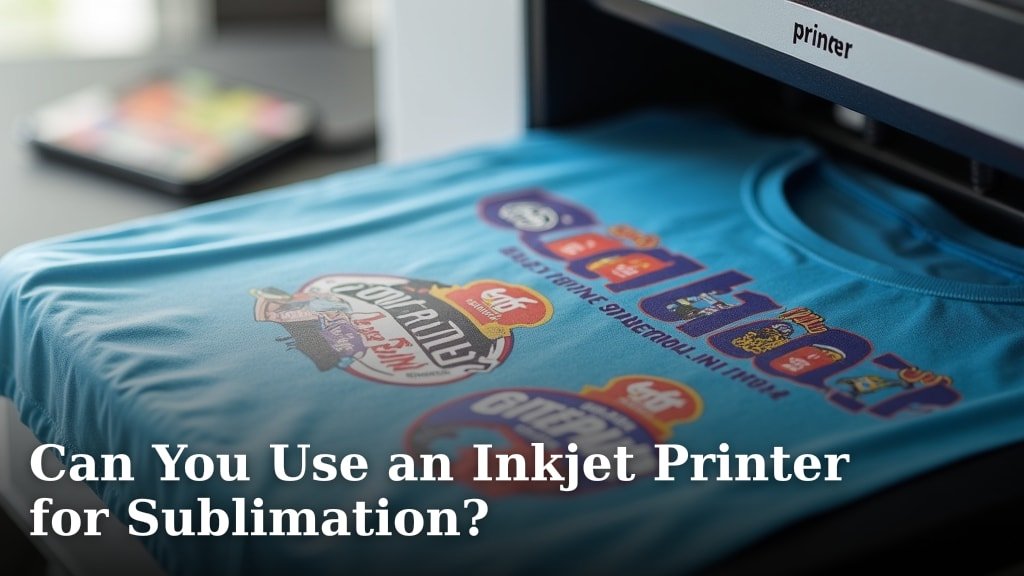
No, you generally cannot use a standard inkjet printer for sublimation. Inkjet printers use dye-based or pigment-based inks, which are different from the specialized sublimation inks required for the heat transfer process.
You need a printer specifically designed or converted for sublimation printing. Using regular inkjet ink will not transfer correctly and will lead to dull, washed-out results that won’t last. The chemical composition of the inks is key to successful, vibrant transfers.
- Standard inkjet printers use the wrong type of ink.
- Sublimation requires specialized sublimation ink.
- Regular inks won’t bond with the material.
- Results will be poor and impermanent.
- A dedicated sublimation printer is necessary.
Let’s dive into why this distinction is so important and what you’ll need to get started with sublimation printing.
Why Standard Inkjet Printers Don’t Work for Sublimation
You might be wondering, “If it prints, why can’t it do sublimation?” It’s a great question, and the answer lies in the fundamental difference between the inks and how they interact with materials. Standard inkjet printers just aren’t built for the unique demands of sublimation.
The core problem comes down to chemistry. Regular inkjet inks are designed to sit on top of the paper, drying there. Sublimation ink, however, needs to turn into a gas and bond with polyester fibers or polymer-coated surfaces. It’s a completely different process.
The Science Behind Sublimation Ink
Sublimation printing relies on a special type of ink that contains dispersed dyes. When these dyes are heated to a high temperature (around 350-400°F or 175-205°C), they transform directly from a solid into a gas, skipping the liquid phase entirely. This gaseous dye then penetrates the polyester fibers of your blank item.
As the material cools, the gaseous dyes solidify within the fibers, becoming a permanent part of the item. This results in a print that is incredibly durable, vibrant, and won’t crack, peel, or wash away. It’s a deep infusion of color, not just a surface layer.
What Happens with Regular Inkjet Inks?
If you tried to use standard dye-based or pigment-based inkjet inks for sublimation, you’d be disappointed. We found that these inks simply don’t have the properties to undergo sublimation. They can’t turn into a gas and bond with the material in the same way.
At best, a regular inkjet print might sit on the surface of your item, but it would be dull, faded, and easily washed off. You’d get a very low-quality, impermanent transfer that wouldn’t last. Think of it like trying to paint a house with watercolors – it just won’t hold up.
The Right Tools for Successful Sublimation
So, since your everyday inkjet printer won’t cut it, what do you need for sublimation? You’ll need a specific setup designed to handle the specialized inks and the heat transfer process. It’s a system that works together to deliver those bright, long-lasting results you’re looking for.
Getting the right equipment from the start saves you frustration and wasted materials. It ensures your creations look professional and vibrant, whether you’re making custom t-shirts, mugs, or other personalized items.
Essential Equipment for Sublimation
To start your sublimation journey, you’ll need more than just a printer. Each piece plays a vital role in creating high-quality, durable prints. Don’t skip any steps, as each component contributes to the final product’s success.
- Sublimation Printer: This is the cornerstone. It must be either a dedicated sublimation printer or an inkjet printer that has been converted for sublimation inks.
- Sublimation Inks: These are specially formulated dyes that turn into a gas when heated. They are the heart of the sublimation process.
- Sublimation Paper: This unique paper holds the sublimation ink and releases it cleanly when heated. It’s not just any printer paper.
- Heat Press: A heat press provides the consistent high temperature and pressure needed to transfer the ink from the paper to your blank item.
- Sublimation Blanks: These are items specifically coated with a polymer or made of polyester fabric, allowing the sublimation ink to bond permanently.
- Heat-Resistant Tape: This helps hold your design in place on your blank during the heat pressing process, preventing ghosting.
Dedicated Sublimation Printers vs. Converted Inkjets
When choosing a printer, you have two main options. A dedicated sublimation printer is built from the ground up for sublimation ink. These are often ready to go right out of the box with minimal setup for ink. Brands like Sawgrass are well-known for these.
Alternatively, you can convert a compatible inkjet printer. This usually involves using a brand new, never-inked inkjet printer and filling its cartridges or reservoirs with sublimation ink. Epson EcoTank models are popular for conversion because of their refillable ink tanks. It’s crucial that the printer has never had regular ink in it, as mixing inks can cause serious problems.
The Role of Sublimation Paper
Think of sublimation paper as the temporary home for your vibrant designs. It’s not just ordinary paper. It’s coated to hold the liquid sublimation ink without absorbing it too deeply. This allows the ink to release cleanly and completely when heat and pressure are applied.
Using regular copy paper will absorb too much ink and won’t release it effectively, leading to dull, muddy transfers. You really do need the specialized paper for the best results, ensuring maximum color transfer and sharpness.
Comparing Inks: Sublimation vs. Standard Inkjet
Let’s break down the fundamental differences between the inks. Understanding this will solidify why you can’t just swap them out. It’s not just a branding thing; it’s a chemical and functional difference.
Many first-time users wonder if they can save money by using a cheaper, standard ink. We consistently find that attempting this leads to wasted time and materials. The investment in proper sublimation ink pays off in quality and durability.
| Feature | Sublimation Ink | Standard Inkjet Ink |
|---|---|---|
| Ink Type | Dispersed dyes (solid-to-gas) | Dye-based or pigment-based (liquid-to-dry) |
| Interaction with Heat | Sublimes (turns to gas) and bonds | Dries, may smear or burn at high heat |
| Adhesion Method | Infuses into polyester fibers/coatings | Sits on surface of paper/material |
| Durability | Highly durable, wash-proof, fade-resistant | Can fade, crack, peel, wash out easily |
| Compatible Surfaces | Polyester fabrics (60%+), polymer-coated blanks | Paper, photo paper, some vinyls |
Potential Issues of Using the Wrong Ink
Trying to force a standard inkjet printer to do sublimation is like trying to fit a square peg in a round hole. It simply doesn’t work, and you’ll run into a host of problems. Understanding these issues can save you time and money in the long run.
We’ve seen many people try to cut corners, only to come back to the correct method after frustrating attempts. The consequences range from poor quality products to potentially damaging your equipment.
Poor Print Quality and Durability
The most immediate and obvious issue is the terrible print quality. Your images will look dull, faded, and washed out, not the vibrant colors sublimation is known for. The ink won’t fully transfer or bond with the material.
Even if some color transfers, it will lack vibrancy and depth. Worse, the design won’t be permanent. It will quickly fade, crack, or wash off after the first use or laundering. This completely defeats the purpose of sublimation, which is all about creating lasting, high-quality items.
Risk of Printer Damage
Using the wrong type of ink can also be detrimental to your printer. Sublimation inks have a different consistency and chemical makeup than standard inks. Forcing them through print heads not designed for them can lead to clogging and damage.
Clogged print heads can be incredibly difficult, if not impossible, to clear. This could render your printer unusable for its original purpose or even for sublimation if you tried to convert it later. It’s a risk that’s simply not worth taking for the sake of trying to bypass the correct process.
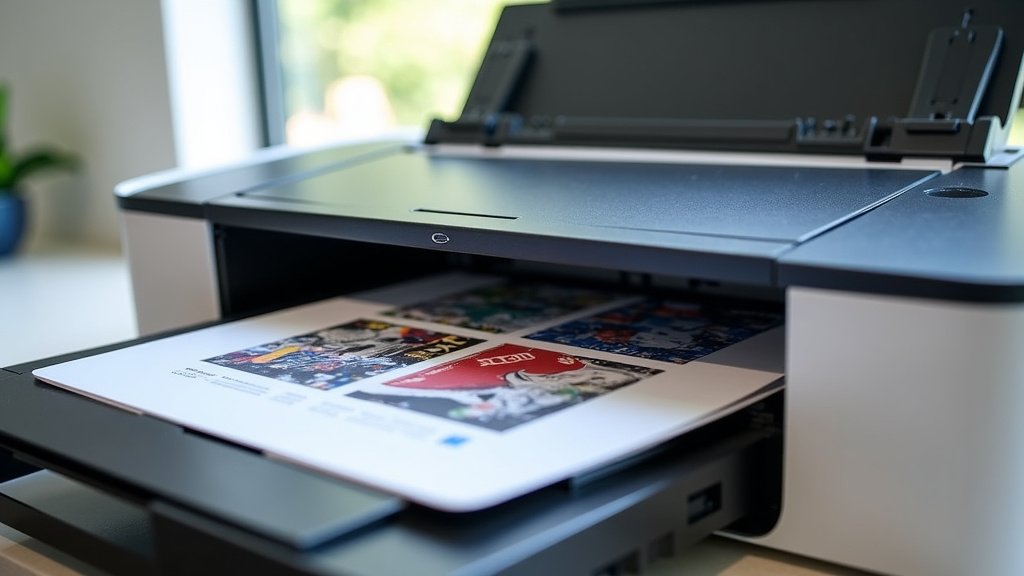
Getting Started with Sublimation: A Checklist
If you’re ready to dive into the exciting world of sublimation, getting the right equipment is your first step. Here’s a quick checklist to help you ensure you have everything you need before you start your first project. Being prepared makes the process much smoother and more enjoyable.
- A dedicated sublimation printer (or a new, converted inkjet).
- High-quality sublimation ink for your printer model.
- Specialized sublimation paper for sharp transfers.
- A reliable heat press that can reach high temperatures and apply even pressure.
- Polyester-rich fabric blanks or polymer-coated hard blanks.
- Heat-resistant tape to secure your designs.
- A clean, well-ventilated workspace.
Final Thoughts on Inkjet vs. Sublimation
As you can see, the distinction between a regular inkjet printer and a sublimation setup is crystal clear. While they both use ink and print, their underlying technology and the results they deliver are entirely different. Trying to make one do the job of the other simply won’t work.
The good news is that starting with sublimation is more accessible than ever. With the right tools and a little learning, you can create stunning, personalized items that look professional and last for a long time. Invest in the correct equipment, and you’ll be thrilled with your creative output!
Conclusion
As we’ve explored, while inkjet printers are versatile, they simply aren’t designed for sublimation’s unique demands. You’ve learned that specialized inks and equipment are non-negotiable for vibrant, long-lasting results. Trying to cut corners with standard inkjet ink leads to frustration, wasted materials, and poor quality.
The key takeaway is clear: invest in the right tools from the start. Whether it’s a dedicated sublimation printer or a carefully converted inkjet, ensure you have the proper inks, paper, and heat press. Your creative projects deserve professional-grade outcomes, and this guidance will help you achieve them successfully.
Frequently Asked Questions
Can I convert any inkjet printer for sublimation?
No, not all inkjet printers can be converted. You need a brand-new printer that has never had regular ink in it, preferably one with refillable ink tanks like many Epson EcoTank models. Using a printer that previously held standard ink will contaminate your sublimation inks.
What’s the biggest difference between sublimation ink and regular ink?
The biggest difference is how they react to heat. Sublimation ink contains dispersed dyes that turn into a gas and infuse into materials when heated. Regular inkjet ink, whether dye-based or pigment-based, simply dries on the surface and won’t undergo this gas conversion.
Will my sublimation prints fade over time?
When done correctly with proper sublimation inks and materials, your prints should be incredibly durable and fade-resistant. The ink becomes part of the material, making it resistant to washing, scratching, and UV exposure. Poor quality ink or incorrect settings can lead to fading.
Do I need special software for sublimation printing?
While not strictly mandatory, most dedicated sublimation printers come with their own color management software. Even with converted printers, you’ll often use color profiles to ensure accurate and vibrant color reproduction. Basic graphic design software is also helpful for creating your designs.
What types of blanks can I use for sublimation?
You need blanks made of polyester fabric (ideally 60% or more polyester content) or items with a special polymer coating. Common items include t-shirts, mugs, phone cases, keychains, and coasters. The polymer coating is essential for the ink to bond permanently.
