Do You Need a Special Printer for Sublimation?
On this page (7 sections)
Yes, you absolutely do need a special printer for sublimation. You cannot use a regular inkjet or laser printer because they are not designed to work with sublimation ink. Regular inks will not transfer correctly or permanently onto your items.
We found that using the right equipment is key for successful sublimation projects. A dedicated sublimation printer uses specific inks and heat to create vibrant, lasting designs. You’ll get much better results and avoid frustrating mistakes by starting with the correct printer type.
- You need a special printer for sublimation.
- Regular printers use different inks and won’t work.
- Dedicated sublimation printers ensure best results.
- Special sublimation ink is crucial for permanent transfers.
Let’s dive into why a special sublimation printer is essential and what makes it different from your everyday home printer. We’ll help you understand all the ins and outs.
Why a Special Printer for Sublimation is Necessary
You might be wondering, “Can’t I just use my regular printer?” The short answer is no. Sublimation printing uses a very specific process that ordinary printers can’t replicate. We found that the magic lies in how the ink reacts to heat and material.
Regular printers, whether inkjet or laser, use different types of ink. These inks sit on top of the paper or material. Sublimation ink, on the other hand, becomes a gas when heated. This gas then bonds with the polyester fibers of your chosen item, creating a permanent, vibrant design (Epson).
The Science Behind Sublimation Ink
Sublimation ink is unique. It’s a dye-based ink designed to convert directly from a solid to a gas state without passing through a liquid stage. This process is called sublimation. When you apply heat and pressure, the gaseous ink permeates the item’s surface.
Once the item cools, the gas converts back to a solid, becoming part of the material itself. This makes the design incredibly durable. It won’t crack, peel, or fade, unlike designs made with other printing methods. Think of it like a tattoo for your mug or shirt.
How Regular Inks Fail at Sublimation
So, what happens if you try to use standard inkjet ink for sublimation? We found that it simply won’t work. Regular inks are pigment or dye-based, but they lack the special chemical composition for sublimation. They don’t turn into a gas when heated.
If you try to press a design printed with regular ink onto a blank, the ink will likely smear. It might transfer a faint image, but it will be dull and wash out quickly. You’ll end up with a mess and wasted materials, which is frustrating.
Inkjet vs. Laser Printers for Sublimation
Let’s break down why neither an inkjet nor a laser printer will cut it. Inkjet printers spray liquid ink onto paper. Laser printers use toner powder that fuses to the paper with heat. Both methods are designed for paper, not for To further understand why these methods differ, explore the difference between inkjet and laser printers.dye-sublimation transfers.
We found that standard inkjet inks can’t withstand the high temperatures needed for sublimation. Laser toner also can’t convert into a gas and bond with polyester. You really need that specific sublimation ink to make the magic happen.
What Makes a Sublimation Printer “Special”?
A sublimation printer isn’t just any printer. It’s specifically built or adapted to handle sublimation ink and the printing process. These printers have certain features that make them ideal for creating high-quality, lasting transfers.
They are designed to deliver the ink precisely, often with specialized print heads. This ensures that when you apply heat, the colors are vibrant and the lines are crisp. It’s all about getting that perfect transfer onto your blank item.
Key Components of a Sublimation Printer
What sets these printers apart? We found it comes down to a few critical components. The ink delivery system is tailored for sublimation ink. The print heads are often designed to handle the specific viscosity and properties of this ink.
Some sublimation printers, especially commercial models, also have larger ink reservoirs or continuous ink supply systems. This is helpful for users who do a lot of printing. It means less time spent refilling tiny cartridges and more time creating.
Dedicated Sublimation Printers vs. Converted Printers
You have a couple of options when getting a sublimation printer. You can buy a dedicated sublimation printer, which is built from the ground up for this purpose. Brands like Sawgrass offer these ready-to-go solutions.
Alternatively, you can convert certain inkjet printers into sublimation printers. This usually involves flushing out the original ink and replacing it with sublimation ink. We found that Epson EcoTank printers are popular choices for this because they use refillable tanks.
Converting an Inkjet Printer: What to Consider
If you’re thinking about converting an inkjet printer, there are a few things to keep in mind. You must use a brand-new printer that has never had regular ink in its system. Once regular ink runs through the print heads, it’s very difficult to clean out completely.
We also found that not all inkjet printers are suitable for conversion. Some print head designs are more compatible with sublimation ink. Do your research on specific models before you buy. Many online communities can offer advice on which models work best.
Essential Materials for Sublimation Printing
Beyond the special printer, you’ll need a few other dedicated items to succeed with sublimation. These materials work together to ensure your designs transfer beautifully and durably. It’s a system, not just a single piece of equipment.
Having the right paper, blanks, and heat press is just as important as having the right printer. If one component is off, your results can suffer. We found that attention to detail with all materials pays off.
Sublimation Ink
As we’ve discussed, this is non-negotiable. Only sublimation ink will turn into a gas and bond permanently with your item. Using cheap, off-brand inks can lead to faded prints or clogged printer nozzles, which nobody wants.
Investing in quality sublimation ink from a reputable brand will give you better color accuracy and longevity. We found that it’s worth spending a little more upfront for inks that perform consistently.
Sublimation Paper
This isn’t just any printer paper. Sublimation paper has a special coating that holds the sublimation ink on its surface. When heated, the coating releases the ink as a gas, allowing it to transfer smoothly.
Using regular printer paper will result in a much fainter, less vibrant transfer. The ink will soak into the paper instead of sitting on top. We found that proper sublimation paper ensures maximum ink release and brilliant colors.
Heat Press
You can’t sublimate without heat and pressure. A heat press provides the controlled, even heat and firm pressure needed to make the ink sublimate and bond with your blank. An iron simply won’t cut it.
Irons don’t provide consistent heat or enough pressure across the entire design. We found that a good quality heat press is crucial for even transfers and professional-looking results. There are different types for various items, like flat presses for shirts or mug presses for cups.
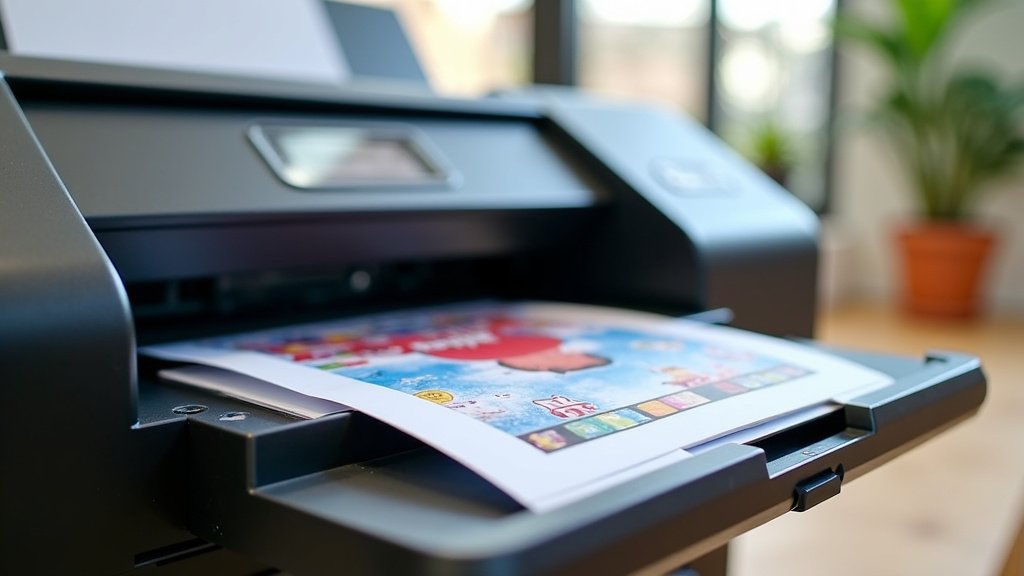
Comparing Regular vs. Sublimation Printing
To really drive the point home, let’s look at a quick comparison between regular printing and sublimation printing. You’ll see why the specialized equipment is so important for the desired outcome.
Think of it like baking. You wouldn’t use a microwave to bake a cake, even though both generate heat. Each tool has a specific purpose and delivers different results. Sublimation is no different.
| Feature | Regular Printing (Inkjet/Laser) | Sublimation Printing |
|---|---|---|
| Ink Type | Pigment or Dye Ink, Toner | Special Sublimation Ink |
| Ink Behavior | Sits on surface or absorbed | Turns into gas, bonds with fibers |
| Printer Type | Standard office/home printer | Dedicated or converted inkjet |
| Materials | Paper, cardstock, some fabrics | Polyester fabrics, poly-coated items |
| Durability | Can fade, crack, peel | Permanent, vibrant, won’t crack/peel |
| Feel on Fabric | Often has a “hand” or texture | No feel, part of the fabric |
Your Sublimation Setup Checklist
Ready to start your sublimation journey? Here’s a quick checklist of what you’ll need to gather. Having these items ready will help you avoid frustration and get straight to creating.
Getting everything in order before you begin makes the process much smoother. We found that a little preparation saves a lot of headaches later on. Here’s what you should have:
- A dedicated sublimation printer (or a new, converted inkjet printer).
- High-quality sublimation inks.
- Specialized sublimation paper.
- A reliable heat press.
- Sublimation blanks (mugs, t-shirts, etc., with polyester content or poly-coating).
- Heat-resistant tape (to secure your designs).
Conclusion
You’ve seen why a special printer is absolutely necessary for sublimation. Regular printers and their inks simply can’t achieve the vibrant, permanent results you’re looking for. By using a dedicated sublimation printer and the correct inks, paper, and heat press, you’re setting yourself up for success. We found that investing in the right tools from the start saves you frustration and wasted materials. Ready to create amazing custom items? Start building your sublimation toolkit today!
Frequently Asked Questions
Can I use sublimation ink in a regular inkjet printer?
You can use sublimation ink in certain inkjet printers, but only if the printer is new and has never had regular ink run through it. This is called converting a printer. You’ll also need specific models that are compatible with sublimation ink.
What happens if I try to sublimate with regular printer ink?
If you try to use regular printer ink for sublimation, the design will not transfer properly. The ink lacks the chemical properties to turn into a gas and bond with your blank. You’ll likely end up with a faint, blurry image that washes out quickly.
Is a sublimation printer expensive?
The cost of sublimation printers varies. Converted inkjet printers like certain Epson EcoTanks can be a more affordable entry point. Dedicated sublimation printers from brands like Sawgrass generally cost more but offer specialized features and warranties.
Do I need special paper for sublimation printing?
Yes, you absolutely need special sublimation paper. This paper is coated to hold the ink on its surface, allowing it to release as a gas during heating. Regular printer paper will absorb the ink, leading to poor transfer quality and dull colors.
What types of items can I sublimate on?
You can sublimate on items with a high polyester content (at least 65%) or items that have a special poly-coating. This includes things like polyester t-shirts, mugs, phone cases, keychains, and even some metals and wood that have been pre-treated.