Which Type of Printer Should You Choose?
The best type of printer depends on what you print most: choose inkjet for mixed documents and photos, laser for frequent text pages, thermal for labels, and a specialty printer for a specific craft.
On this page (8 sections)
- What is the best type of printer for each job?
- How does an inkjet printer fit your needs?
- When should you choose a laser printer?
- Is a thermal printer right for labels?
- Which printer type works best for photos?
- What printer should you choose for crafts?
- How should you compare printer costs?
- How do you choose the best type of printer?
The best type of printer depends on what you print most: inkjet for mixed documents and photos, laser for frequent text, thermal for labels, and specialty printers for defined craft tasks. Before buying, consider paper types, print volume, color needs, available space and the ongoing cost of supplies.
If your needs vary, an all-in-one inkjet can print, scan and copy from one machine. For a narrower job, a dedicated printer may be easier to match to your materials.
What is the best type of printer for each job?
The best type of printer is the one that matches your regular work and supplies. Use this quick comparison to narrow your options.
| Printer type | Good fit for | Check before buying |
|---|---|---|
| Inkjet | Color documents, photos and mixed home printing | Ink cost, paper handling and print volume |
| Laser | Frequent text documents and office pages | Color needs, toner cost and printer size |
| Thermal | Shipping, barcode and other compatible labels | Label format and whether it needs special media |
| Photo printer | Small or high-quality photo prints | Print size, paper and cartridge or ink system |
| Specialty craft printer | A specific process such as sublimation | Compatibility with the process and materials |
These are broad categories, not guarantees about every model. A compact inkjet and a photo-focused inkjet, for example, can differ in paper support and output.
How does an inkjet printer fit your needs?
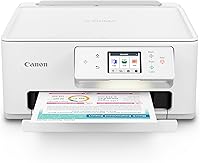
An inkjet is a flexible choice when you print a mix of text, color pages and photos. It places small drops of ink on paper, and many models also scan and copy.
Inkjet printers vary in cartridge design, ink tank setup, speed, size and paper feed. Compare types of inkjet printers if you want to match a specific inkjet design to your routine.
Think about how often you print. If the printer sits unused for long periods, check the care instructions and supply options for the model you’re considering.
A straight paper path can help when you need to feed thicker or specialty media, but check the exact paper support first. Our guide to an inkjet printer under 200 dollars with a straight paper path explains what to compare.
What are the main types of inkjet printers?
The main inkjet choices include cartridge models, refillable ink tank models, compact mobile printers and photo-focused printers. The right one depends on how much you print, where you use it and whether photos or specialty sheets matter.
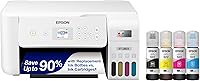
Cartridge printers may suit occasional printing when you want a smaller initial setup. Tank models can be worth comparing if you print often and want refillable ink supplies.
Compare Epson vs HP tank printers if you are choosing between tank systems.
Check the maker's stated yield and the price and availability of replacement ink before deciding.
A portable all-in-one may help if you need scanning and copying away from a desk. The HP OfficeJet 250 is a mobile inkjet that supports printing, scanning and copying, with wireless printing from mobile devices.
For a deeper look at the technology, read how an inkjet printer works.
When should you choose a laser printer?
Choose a laser printer when you regularly print text-heavy documents and want a machine built around that office task. Laser models use toner rather than liquid ink, and many are designed for steady document workloads.
A monochrome laser printer can suit invoices, forms, schoolwork and drafts when you rarely need color. For a focused comparison, see our guide to a basic black and white printer.
A color laser printer can print color documents, but it is not automatically the best choice for photo output. Compare the supported paper and print quality to the kind of images you plan to make.
Laser printers can take more space than small home inkjets, and replacement toner is an ongoing cost. Check the printer's dimensions and the cost and availability of toner before you set it up.
Is a thermal printer right for labels?
A thermal printer is a strong option for compatible labels, such as shipping labels or barcodes. Many thermal models print without ink cartridges, but they require the right kind of label media.
Check the supported label width, connection options and whether the device uses direct thermal or thermal transfer printing. That distinction affects the media and supplies you need.
For a plain explanation of the technology, see what the term thermal printer means. If you print only a few address labels now and then, a standard inkjet or laser with compatible label sheets may be sufficient.
Which printer type works best for photos?
An inkjet designed for photo output is usually the most flexible choice for color photos at home. Check whether it supports your photo paper size and whether it can print borderless if that matters to you.
Some photo printers focus on small snapshots and use dedicated photo media. Others are general-purpose inkjets that accept photo paper alongside ordinary sheets.
Consider how often you print photos and how much room you have for paper and supplies. If you mostly keep pictures digitally, you may not need a dedicated photo printer.
What printer should you choose for crafts?
Choose a printer for crafts only after identifying the material and process you plan to use. Paper thickness, sheet size, ink type and feed path can limit what a regular printer can handle.
Some projects use a regular inkjet with specialty sheets. For example, Tatu-Derm stencil tracing paper is made for inkjet printers and comes in 8.5 x 11 in sheets, with a separate 8.5 x 14 in size available.
Check printer compatibility and follow the paper and ink instructions for your process. Do not assume a standard office printer supports every craft material.
For sublimation, use a printer and supplies intended for sublimation printing. Regular inkjet ink does not become sublimation ink just because you load transfer paper.
A children’s book such as You’re The Biggest is a thoughtful gift for an older sibling, but it is not a printer or printing supply. It does not belong among printer recommendations, so this guide focuses its product picks on equipment and materials relevant to printing.
How should you compare printer costs?
Compare the total cost of ownership, including the printer, ink or toner, paper and any specialty media. A low purchase cost may not be the least expensive choice if you print often or use costly supplies.
Estimate your usual monthly pages and the share that need color. Then check the maker's supply options and stated yields for the specific model.
Also consider the cost of paper. Photo paper, labels, stencil sheets and other specialty media can cost more than plain office paper and may only work with certain printers.
How do you choose the best type of printer?
Choose based on your most common print job: inkjet for mixed use, laser for frequent text, thermal for labels, and specialty models for specific crafts. Then confirm the paper, supplies, connections and space match your setup.
If you need one versatile home machine, start with an inkjet and compare its paper handling and ink costs. If your main need is business documents on the move, consider a portable all-in-one such as the HP OfficeJet 250.
For regular labels or a specialized craft, select a printer designed for that media and process.
When comparing inkjets, our guide to what makes a good inkjet printer can help you narrow the features. If you're weighing product families, read inkjet vs DeskJet printers and our Brother or HP inkjet under 200 dollars comparison.
Frequently asked questions
What type of printer is best for home use?
An inkjet is a flexible home choice if you print a mix of documents, color pages and photos. A laser printer can suit a home office with frequent text printing, while a thermal model is for labels and similar jobs.
Choose by your regular print tasks and the cost and availability of supplies.
Is an inkjet or laser printer better?
An inkjet is usually the better fit for mixed color printing and photos, while a laser printer suits frequent text documents. Compare the specific models' supported paper, print quality needs, speed, size and replacement supplies before choosing.
Neither technology is best for every household.
What type of printer do I need for labels?
A thermal printer is a good starting point for shipping or barcode labels, especially if you print them often. Check the label size and type it supports.
For occasional address labels, a regular inkjet or laser may work with compatible label sheets.
Which printer type is best for photos?
An inkjet designed for photo printing is a practical choice for color photos because it can print on photo paper and handle detailed color. Check supported paper sizes, borderless options and ink costs.
For occasional snapshots, a standard inkjet may be enough.
Can one printer handle documents and crafts?
A versatile inkjet can handle ordinary documents and some craft paper when the paper size, thickness and feed path are supported. For specialty work such as tattoo stencils or sublimation, confirm the printer and consumables are designed for that process before printing.