
How Much Do Replacement Ink Cartridges Cost?
Replacement ink cartridges cost anywhere from $15 to $80 per cartridge, depending on the brand and type. The total price you pay often depends on whether you buy individual colors or a multi-pack. It can add up quickly.
You might be surprised by the wide price range for ink. Many factors influence this cost, including printer model, ink volume, and whether you choose genuine OEM cartridges or third-party alternatives. We found that these costs vary quite a bit.
- Ink cartridges can range from $15 to $80 each.
- Brand-name ink (OEM) is usually more expensive.
- Third-party or refilled cartridges can save you money.
- Multipacks often offer better value than single cartridges.
- High-yield cartridges last longer but cost more upfront.
Let’s dive into the specifics of how much replacement ink cartridges cost and why there’s such a big difference in price. We’ll help you make smart choices for your printer.
What You’ll Pay for Printer Ink Cartridges
You can expect to pay between $15 and $80 for a single replacement ink cartridge. The price depends on your printer brand, the cartridge type, and where you buy it. It’s a broad range, so let’s break down why.
Factors Influencing Ink Cartridge Prices
Many things affect how much you spend on ink. Think of it like buying car tires – a small sedan needs different tires than a large SUV, and the prices reflect that. Printer ink is similar.
Printer Brand and Model
Each printer manufacturer designs cartridges specifically for their machines. This means a Canon printer won’t use HP ink, and vice-versa. Some brands, like Epson or Brother, might have slightly different pricing structures for their cartridges.
Newer, more advanced printers sometimes use cartridges with more technology, which can drive up the cost. If you have an older, basic model, your ink might be cheaper.
Standard vs. High-Yield Cartridges
When you buy ink, you’ll often see “standard yield” and “high yield” options. What’s the difference? High-yield cartridges contain more ink. They cost more upfront but print more pages. We found that they often offer a better cost-per-page.
For example, a standard cartridge might print 200 pages, while a high-yield version prints 600 pages. If you print a lot, high-yield can save you money over time. It’s like buying a larger box of cereal – more expensive initially, but cheaper per serving.
Genuine (OEM) vs. Compatible/Remanufactured Ink
This is a big one for pricing. Original Equipment Manufacturer (OEM) cartridges are made by your printer’s brand (HP ink for an HP printer). Compatible or remanufactured cartridges are made by third-party companies.
- OEM Cartridges: These are generally the most expensive. You pay for the brand name, guaranteed compatibility, and often, higher perceived quality. Many printer manufacturers warn against using non-OEM ink, claiming it can damage your printer or void warranties.
- Compatible Cartridges: These are brand-new cartridges made by a company other than your printer’s manufacturer. They are designed to work with specific printer models. They are usually much cheaper than OEM.
- Remanufactured Cartridges: These are used OEM cartridges that have been cleaned, refilled with ink, and tested by a third-party company. They are also significantly cheaper than new OEM cartridges.
Our research shows that while OEM ink can be pricey, compatible and remanufactured options can offer substantial savings. It’s a trade-off many people consider.
Average Cost of Ink Cartridges by Brand
The price of ink varies quite a bit depending on the brand you own. We’ve looked at popular brands to give you a general idea of what to expect.
HP Ink Cartridge Costs
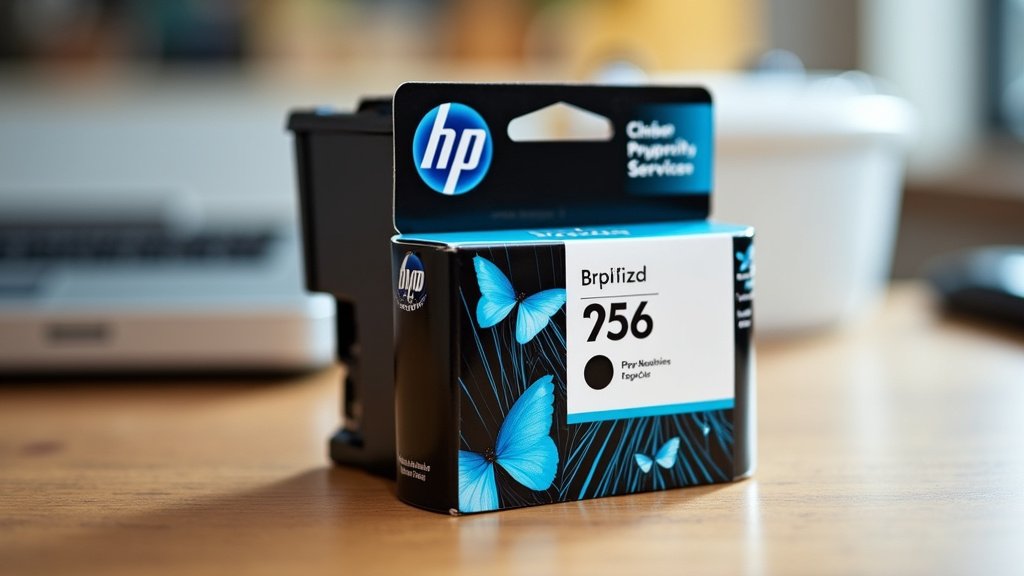
HP is a very common printer brand. You can expect to pay around $20 to $50 for individual standard HP cartridges. High-yield versions might push the price up to $60-$70. Multi-packs often offer better value.
HP also offers an ink subscription service called Instant Ink. For a monthly fee, HP sends you ink when your printer detects it’s running low. This can be a cost-effective solution for some users.
Canon Ink Cartridge Costs
Canon ink cartridges generally fall into a similar price range as HP. Individual cartridges can cost $15 to $45, with multi-packs saving you a bit. Canon often has separate cartridges for different colors (cyan, magenta, yellow, black), allowing you to replace only the color you need.
Epson Ink Cartridge Costs
Epson ink prices are often in the $15 to $40 range per cartridge. Epson has also invested in EcoTank printers, which use refillable ink tanks instead of cartridges. While the initial printer cost is higher, the cost of ink refills is dramatically lower over time. This is a game-changer for high-volume users.
Brother Ink Cartridge Costs
Brother printer ink is typically priced from $15 to $35 for individual cartridges. Like other brands, multi-packs are usually available and can bring down the per-cartridge cost. Brother also offers high-yield options that are good for frequent printing.
Comparing Ink Cartridge Prices: A Quick Look
To give you a clearer picture, here’s a general comparison. Please remember these are average estimates and actual prices can vary based on specific models and retailers.
| Brand | Individual Cartridge (Standard Yield) | Multi-Pack (Standard Yield) | High-Yield Cartridge |
|---|---|---|---|
| HP | $20 – $45 | $45 – $80 | $35 – $70 |
| Canon | $15 – $40 | $40 – $75 | $30 – $65 |
| Epson | $15 – $35 | $35 – $70 | $25 – $60 |
| Brother | $15 – $30 | $30 – $60 | $25 – $55 |
As you can see, the prices are quite competitive across the major brands. Your best bet is to check prices for your specific printer model before buying.
Tips for Saving Money on Printer Ink
Printer ink can feel like liquid gold sometimes, but there are ways to cut down on costs. You don’t have to break the bank just to print a few documents.
Consider Third-Party Ink Options
As mentioned, compatible or remanufactured cartridges are often much cheaper. Many users find them to be perfectly adequate for everyday printing. Look for reputable third-party sellers with good reviews. We found that quality can vary, so a little research helps here.
Buy Multi-Packs or Value Packs
Purchasing ink cartridges in a bundle almost always saves you money compared to buying individual colors. If you know you’ll use all the colors, a multi-pack is a smart move. It’s like buying in bulk at the grocery store.
Opt for High-Yield Cartridges
If you print frequently, high-yield cartridges are a no-brainer. They cost more upfront but provide a lower cost per page. You’ll also change cartridges less often, saving you time and hassle.
Change Your Printing Habits
Sometimes, the easiest way to save money is to print less! Do you really need a hard copy of that email? Think before you print. When you do print, use draft mode for non-essential documents. This uses less ink and often prints faster.
Explore Ink Subscription Services
Services like HP Instant Ink can be very cost-effective, especially if your printing volume is consistent. You pay a monthly fee based on the number of pages you print, not the amount of ink you use. This can eliminate the stress of running out of ink.
Checklist for Smart Ink Buying
When you’re ready to buy ink, keep these points in mind:
- Know Your Printer Model: Always double-check your printer’s exact model number.
- Compare Prices: Look at different retailers, online and in-store.
- Read Reviews: Especially for third-party ink, check what other users say.
- Consider Your Usage: High-yield if you print a lot, standard if you print rarely.
- Look for Deals: Sales, coupons, and bundle offers can pop up.
- Recycle Old Cartridges: Some stores offer discounts for returning empty cartridges.
By being a savvy shopper, you can significantly reduce your ongoing printer ink expenses. It just takes a little planning!
Conclusion
Navigating the world of replacement ink cartridges can seem overwhelming. We’ve shown you that costs vary widely based on your printer, cartridge type, and brand. By understanding these factors, you can make smarter purchasing decisions.
You now know the differences between OEM and third-party options, and the benefits of high-yield cartridges. Remember that small changes in your printing habits can also lead to big savings. Use these tips to keep your printing costs down and your printer running smoothly.
Frequently Asked Questions
Is it cheaper to refill ink cartridges myself?
While refilling cartridges yourself can be cheaper per refill, it often comes with risks. You might encounter issues like ink leakage, clogged print heads, or lower print quality. We found that compatible or remanufactured cartridges from reputable sellers are usually a more reliable and cost-effective alternative.
Can using non-OEM ink damage my printer?
Printer manufacturers often claim that non-OEM ink can damage your printer or void its warranty. In our research, we found that many users successfully use compatible or remanufactured cartridges without issues. Stick to well-reviewed brands to minimize potential problems.
How can I find out which ink cartridges my printer uses?
The easiest way is to check your printer’s manual or look for a sticker on the printer itself. The model number of your printer will guide you. You can also search your printer’s model number on the manufacturer’s website or an ink retailer’s site.
Do ink cartridges expire?
Yes, ink cartridges do have an expiration date. While they might still work past this date, the ink can dry out, leading to clogs or reduced print quality. We suggest checking the packaging for the expiration date and using cartridges within a year or two of purchase for best results.
Is it worth buying a new printer instead of expensive ink?
Sometimes, yes! If your current printer uses very expensive cartridges and you print frequently, a newer model with cheaper ink or an ink tank system (like Epson EcoTank) could save you money long-term. Calculate the cost per page to compare effectively.
