Are Teflon Sheets for Heat Presses Reusable?
Yes, Teflon sheets for heat presses are usually reusable when they stay smooth, clean, and free from cuts or heavy residue. Replace one when damage, sticking, or uneven pressing makes it unreliable.
On this page (9 sections)
- Why are Teflon sheets for heat presses reusable?
- How should you clean a reusable heat press cover sheet?
- How do you store a heat press Teflon sheet?
- How do you know when a Teflon sheet needs replacement?
- Can a Teflon sheet protect every part of the heat press?
- How can you reduce residue on a reusable cover sheet?
- Does a Teflon sheet need special heat-press settings?
- Are reusable heat press cover sheets worth keeping?
- What is the simple care routine for a reusable Teflon sheet?
Yes, Teflon sheets for heat presses are usually reusable when they stay smooth, clean, and free from cuts, bubbling, and heavy residue. Clean the sheet after it cools, store it without sharp folds, and replace it when it begins to stick or affect the finish.
A cover sheet creates a barrier between the heated platen and the project. It can help protect the platen from adhesive, ink, vinyl residue, and other material that could transfer during pressing.
If you're choosing equipment as well as supplies, start with this guide to heat press machines. For the cover sheet itself, our guide to the best heat press accessories explains how sheets fit into a wider pressing setup.
Why are Teflon sheets for heat presses reusable?
Reusable Teflon sheets work because their smooth surface can be wiped clean after pressing. They do not need to be discarded after one transfer unless they become damaged, contaminated, or difficult to clean.
A reusable sheet is most helpful when you press materials that can leave adhesive or ink near the design. It also gives you a simple barrier between the project and the platen, which can reduce cleanup after a pressing session.
Reuse depends on condition, not on a guaranteed number of applications. High heat, firm pressure, residue, sharp tools, and rough storage can shorten the sheet's useful life.
Some products use different names, including heat press cover sheet, nonstick sheet, protective sheet, or Teflon sheet. Check the sheet's care instructions before using a cleaner or changing how you store it.
How should you clean a reusable heat press cover sheet?
Let the sheet cool fully before cleaning it. Wipe the surface with a soft cloth and a mild cleaner that is suitable for the sheet's material.
Use light pressure to remove loose residue. If adhesive or ink has hardened, allow it to soften according to the sheet manufacturer's care instructions instead of digging at it.
Avoid knives, blades, metal scrapers, and abrasive pads. These can create scratches that collect residue and may transfer marks to future projects.
Do not place a wet sheet back on the press. Dry both sides, then check that no cleaner or loose material remains before the next job.
A sheet used with screen-printing ink may need extra care because ink can transfer if it is not properly set. The Speedball Fabric Screen Printing Ink Starter Set includes 6 colors in 4 fl oz jars, including black, white, red, yellow, blue, and green.
Its water-based ink is made for fabric screen printing and can be cleaned with soap and water, but heat-setting and cleanup still need to follow the ink instructions.
How do you store a heat press Teflon sheet?
Store the sheet flat when possible, or roll it loosely without a sharp crease. Keep it away from blades, tools, rough shelves, and anything that could press a permanent mark into the surface.
Do not fold it tightly into a small square. A hard crease can create an uneven area that contacts the project differently from the rest of the sheet.
Keep the sheet clean and dry between uses. If you have more than one sheet, separate them with smooth paper or store each one where its surface will not rub against rough materials.
Before pressing, lay the sheet flat and inspect both sides. Look for dust, dried adhesive, ink, holes, curled edges, bubbling, and deep scratches.
How do you know when a Teflon sheet needs replacement?
Replace a cover sheet when damage or residue makes the pressing result less predictable. A small mark may not end its useful life, but a hole, deep scratch, or sticky area can expose the platen or affect the project.
Look for these replacement signs:
- Holes or thin spots
- Deep scratches or cuts
- Bubbling or warped areas
- Curled edges that interfere with placement
- Burned or permanent residue
- Sticking after normal cleaning
- Marks transferring onto the project
- Uneven results in an area of the sheet
A damaged sheet can also make cleanup harder because residue may collect in scratches. If you notice repeated marks, check the sheet before changing temperature or pressure.
A replacement can be useful when the existing sheet is too small for your work area. The best heat press cover sheet guide can help you compare cover-sheet options by size and use.
Can a Teflon sheet protect every part of the heat press?
A Teflon sheet protects the covered pressing area, but it does not replace every type of platen protection. Place it so the design and exposed transfer materials stay under the sheet without leaving important areas uncovered.
A platen cover serves a related but different purpose. It can protect the platen surface itself and may be useful when the press needs a fitted or dedicated cover.
Compare a general sheet with the best heat press platen cover options if you need more complete platen protection. Check the dimensions of your press and the work area before choosing.
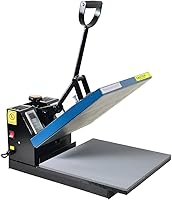
The Fancierstudio Digital Heat Press 15 x 15 Sublimation Rhinestone Heat T-Shirt Machine15x15 B/BLK has a 15-by-15-inch heat press sheet included and a Teflon coating on the heat platen. It also has electronic time and heat control, adjustable pressure, a silicon-gel base board, 110 volts, and 1800 watts.
The 15-by-15-inch work area suits projects that fit within that size. Measure larger garments, bags, and other items before pressing so the design does not extend beyond the covered area.
For setup guidance on this model, see how to use a Fancierstudio heat press. If your projects are smaller, how to use a mini heat press covers a different size and handling approach.
How can you reduce residue on a reusable cover sheet?
Use the correct transfer position and keep excess material away from the heated area. A cover sheet works best when it protects the project without trapping loose adhesive, ink, or scraps underneath it.
Trim unnecessary carrier material when the transfer instructions allow it. Keep the sheet flat during placement, and check for lint, scraps, or dried residue before closing the press.
Do not press over a dirty sheet simply because the mark looks small. Heat can soften residue and spread it across the project or platen.
If your projects involve screen printing, organize the screens, ink, and tools before pressing. The Caydo 23 Pieces Screen Printing Starter Kit, 3 Wood Frames with Mesh includes 10 x 14 in, 8 x 12 in, and 6 x 10 in wood frames, plus squeegees, transparency film, an ink knife, masking tape, wood mixing sticks, a glove, and instructions.
The kit is designed for screen printing on T-shirts, canvas tote bags, and tank tops. Its frame sizes help with different design areas, but the project still needs to fit the press and cover sheet you use.
Does a Teflon sheet need special heat-press settings?
Usually, the cover sheet does not determine the main temperature and time settings. Follow the instructions for the material or transfer being pressed, and keep the sheet clean and properly positioned.
Do not increase heat or pressure to compensate for a dirty, curled, or damaged sheet. That can make the problem worse and may damage the project.
The Fancierstudio press has a temperature range of 0–699°F and a time range of 0–999 seconds, but those ranges do not mean every project should use the highest setting. Match the settings to the transfer, fabric, and pressing instructions.
For a 15 x 15 press, keep the project centered on the work area when possible. Smaller presses may need a different placement method, especially for seams, pockets, sleeves, or curved areas.
Are reusable heat press cover sheets worth keeping?
Yes, a reusable cover sheet is worth keeping when it stays smooth, cleans easily, and protects the project from residue. The main benefit is repeated use with simple care, not an unlimited service life.
Choose a reusable sheet if you press often and want a washable or wipe-clean barrier. Keep a replacement available if production would stop when your main sheet becomes damaged.
Choose a fitted platen cover when your priority is protecting the platen surface. Compare best heat press replacement parts if a cover, cord, board, or other press component needs replacing.
For a smaller setup, the best 15x15 heat press guide can help you match the press size to the work you plan to make.
What is the simple care routine for a reusable Teflon sheet?
Cool, wipe, dry, inspect, and store the sheet carefully. That routine prevents small residue problems from becoming sticking, marking, or uneven pressing problems.
Use the sheet until it no longer gives a clean, predictable barrier. Replace it when damage, permanent residue, or repeated transfer marks make it unreliable.
For your decision, keep the existing sheet if it is smooth and easy to clean. Buy a replacement if it is scratched, curled, bubbled, or transferring residue, and choose a platen cover when you need protection that a loose sheet cannot provide.
Frequently asked questions
Are Teflon sheets for heat presses reusable?
Yes, a Teflon sheet can usually be reused when it remains smooth, clean, and free from cuts, bubbling, or burned residue. Wipe it after it cools, store it flat or loosely rolled, and inspect it before each pressing job.
Replace it when it sticks or transfers residue.
How do you clean a Teflon sheet for a heat press?
Let the sheet cool completely, then wipe it with a soft cloth and a mild cleaner that is safe for the material. Do not scrape it with a sharp tool or use an abrasive pad.
Remove adhesive and ink before the residue hardens, then dry the sheet fully.
How long does a reusable heat press cover sheet last?
There is no fixed lifespan because heat, pressure, residue, folding, and storage affect wear. A sheet can last through many pressing jobs when it stays smooth and is handled carefully.
Inspect it instead of relying on a set replacement schedule.
When should you replace a heat press Teflon sheet?
Replace it when it has holes, deep scratches, curled edges, bubbling, permanent discoloration, or residue that keeps transferring to projects. A sheet that sticks to the garment or causes uneven results has also reached the point where replacement is safer.